Health Preservation During Minor Snow Focuses on "Conservation"
The Minor Snow (Xiaoxue) is the 20th solar term among the 24 solar terms and the second solar term of winter.
After entering the Minor Snow period, temperatures will gradually drop lower, with many regions experiencing strong winds, cooling, and snowy or rainy weather. Therefore, health preservation during this time focuses on "conservation"—enhancing physical constitution, boosting immunity, and improving cold resistance.
Health Preservation for Minor Snow Solar Term
Daily Routine: Early to Bed, Late to Rise
During winter, yang energy lies dormant while yin energy reaches its peak. All living things tend toward rest, and daily routines should emphasize going to bed early and rising late—waiting for sunrise to ensure sufficient sleep duration to preserve yang energy in preparation for spring growth.
Winter is inherently a season for quiet nourishment and conservation, with effective rest being the key focus for seasonal recuperation. The recommendation to "rise late" here does not equate to advocating "lying in bed," but rather using sunrise as the guiding measure. The optimal wake-up time in winter is after the sun has risen, when the cold qi on the ground begins to disperse—this helps prevent cold pathogens from damaging yang qi.
Dressing: Pay attention to cold protection
"To stay comfortable, dress in layers," during the Minor Snow solar term, it's advisable to adjust clothing according to temperature changes—adding or removing layers as needed.
In warm indoor environments, avoid overdressing to prevent sweating—staying comfortably warm is ideal. In cooler areas, add clothing promptly to avoid sudden temperature fluctuations.

Here are the four key areas to focus on protecting:
Prevent cold feet: Soaking feet before bed can help improve sleep quality.
Protect the head from cold: The head is where all yang meridians converge and is most vulnerable to wind-cold, so wearing a hat is essential.
Guard the chest and back: The chest and back house the cardiovascular and respiratory systems. Exposure to cold in these areas may easily trigger cardiovascular diseases.
Protect the Waist and Abdomen: Traditional Chinese Medicine believes that the kidneys are the foundation of prenatal life, and the spleen is the foundation of postnatal life. Therefore, winter health preservation requires protecting the waist and abdomen, where the kidneys are located.
Exercise: Pay Attention to Warm-Up
Movement generates yang energy, promotes blood circulation, and ensures smooth qi. Exercise can improve the oxygen supply to vital organs such as the brain and heart, enhancing energy levels. It also helps alleviate tension, anxiety, depression, and similar conditions.
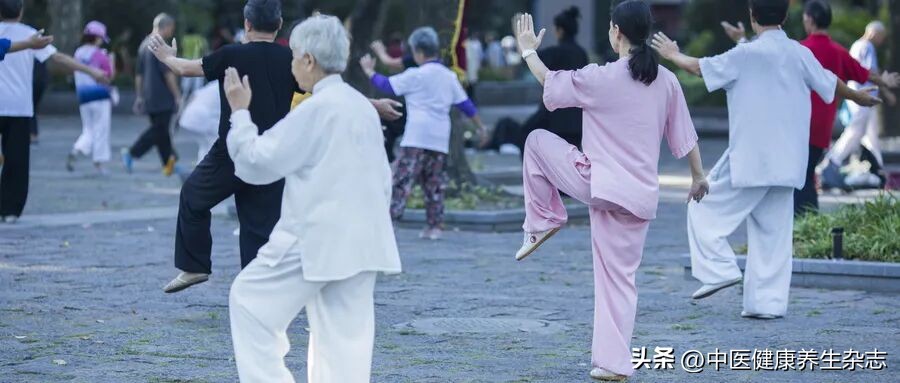
For elderly individuals with the habit of morning exercise, it is best to schedule workouts after sunrise or in the afternoon, avoiding exercise during strong winds, extreme cold, heavy snow, or fog.
Before exercising, warm-up activities are essential, and the focus should be on moderate aerobic exercises. Such as practicing Baduanjin, Tai Chi, jogging, brisk walking, swimming, etc. During exercise, excessive sweating should be avoided.
Three Things to Avoid During Minor Snow Solar Term
Don't sit for too long; alternate between activity and rest
During Minor Snow season, as temperatures drop and outdoor activities decrease while indoor time increases, prolonged sitting can slow down metabolism and blood circulation, potentially leading to physical discomfort. At this time, it's essential to increase physical activity to boost metabolic rates, promote blood circulation, enhance cold resistance, and prevent seasonal colds.
Don't over-supplement, maintain appropriate nourishment
Although winter is a season for nourishing the body to gain strength for the coming year, it's important to maintain a balanced and reasonable diet to avoid burdening the body and causing illnesses. The dietary principle should be "nutritious yet moderate," with meat, fruits, and vegetables consumed according to individual needs. Avoid overeating or having a monotonous diet, as this can negatively affect the body's absorption and metabolism.
Avoid staying up late and ensure adequate sleep.
Going to bed early helps nourish yang energy, keeping the body warm; waking up late conserves yin energy, allowing people to avoid harsh cold by starting daily activities after sunrise when it's warmer, thus balancing yin and yang. Sufficient sleep is beneficial for preserving essence, replenishing qi, strengthening the spleen and stomach, and fortifying bones and muscles. Conversely, staying up late depletes kidney essence and weakens the immune system. Particularly for elderly individuals, it's advisable to extend sleep slightly and wake up after sunrise before starting morning routines and exercise.
Recommended Diet for Minor Snow Solar Term
Braised Lamb with Ginger
Ingredients: 500-800g lamb, 2 carrots, 100g ginger, appropriate amounts of peanut oil, salt, light soy sauce, and fermented bean curd.
Method: Peel and cut carrots into chunks; slice ginger; cut lamb into pieces, wash, and blanch (discard the water). Heat oil in a pan, sauté ginger until fragrant, then add lamb and stir-fry for 3 minutes. Add carrots, salt, light soy sauce, fermented bean curd, and water. Bring to a boil over high heat, then reduce to low heat and simmer for 40 minutes until the meat is tender.
Benefits: Lamb is warm in nature and has the effects of warming and tonifying the spleen and stomach, nourishing blood and the liver, and strengthening the kidneys and yang. Cooking it with ginger and carrots not only enhances its warming and tonifying properties but also aids digestion and promotes stomach health. This dish combines tonification and digestion, making it suitable for individuals with a cold and deficient constitution.
Tip: Those with damp-heat or yin deficiency with fire effulgence should consume sparingly.