One Prescription to Remove Cold, Phlegm, and Blood Stasis from the Body
Many people suffer from year-round cold intolerance, cold hands and feet, heavy and sore bodies, and poor mental state. From the perspective of Traditional Chinese Medicine, this is often the result of cold pathogens, phlegm-dampness, and blood stasis intertwining together.
Cold is a yin pathogen that most easily damages the body's yang energy. Yang energy is like the sun of the body; once it is insufficient, its warming and propelling functions weaken, leading to poor circulation of blood and bodily fluids. Over time, this results in the formation of "waste" such as phlegm-dampness and blood stasis. These blockages not only cause discomfort but also further hinder the generation of yang energy, creating a vicious cycle.
For this complex situation where "cold," "phlegm," and "stasis" are intertwined, simply dispelling cold, resolving phlegm, or dissolving stasis may not be thorough enough. The renowned Qing Dynasty formula Yang He Tang (Yang-Harmonizing Decoction) provides an excellent approach. It excels in warming yang, replenishing blood, dispelling cold, and unblocking stagnation, addressing these pathological products in the body through multiple pathways.
How does this formula work?
Its combination of ingredients is remarkably ingenious:
Strengthening the Foundation — Nourishing Yin and Warming Yang (Replenishing the Body): The formula heavily utilizes prepared rehmannia root (Shu Dihuang) to nourish yin and blood, replenishing the material foundation. Simultaneously, deer antler glue (Lu Jiao Jiao) is employed to warm kidney yang and generate essence-blood. This combination embodies the wisdom of "seeking yang within yin," ensuring that the growth of yang energy is rooted in ample reserves.
Light a furnace — Warm and unblock to dispel cold (expel pathogens): Ginger charcoal (processed ginger) warms the meridians and disperses cold, entering the blood level to warm the blood vessels; cinnamon (cassia) supplements fire to aid yang and warms and unblocks the meridians. They act like lighting a furnace within the body, directly dispelling cold and warming the meridians.
Open the pathways – disperse yang energy (spread it out): Ephedra is used here not to induce sweating, but to harness its dispersing and pungent properties. Like opening a window, it activates yang energy gathered within the body, allowing it to flow unimpeded and spread throughout the joints and meridians.
Eliminating Stubborn Phlegm - Penetrating and Dispersing Phlegm Accumulation: The herb *Sinapis alba* (white mustard seed) plays a crucial role. Its medicinal properties excel at penetrating deeply, capable of dissolving those tenacious "stubborn phlegm" deposits hidden between fasciae and joints—essentially the most difficult-to-remove phlegm-dampness.
Harmonizing all medicines – Protecting the spleen and stomach: Finally, raw licorice is used to harmonize the properties of all the medicines while also protecting the spleen and stomach, preventing the warm and drying nature of the medicines from damaging the body's middle qi.

The entire formula isn’t just about aggressive treatment; instead, it combines tonification, warming, unblocking, and dispersing. First, it replenishes the body’s yang energy, then spreads warm yang energy throughout the body, clears blockages caused by cold, phlegm, and stasis, and finally eliminates these problems altogether. It is particularly suitable for those suffering from aversion to cold and chills, cold hands and feet, cold and painful lower back, sore and numb joints, and slow-healing ulcers due to yang deficiency and cold stagnation.
Real-life case:
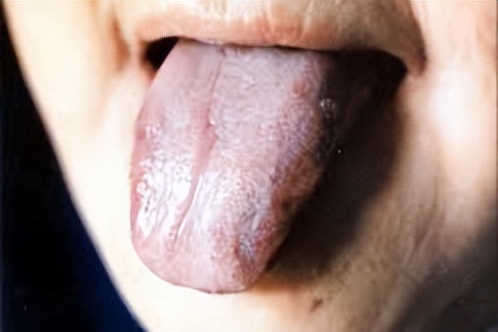
A 45-year-old female patient had long suffered from intolerance to cold, rarely sweating even in summer, and constantly felt cold air emanating from her back and knees. Her limbs and joints were stiff and sore, worsening especially on overcast or rainy days. Her complexion was pale, she appeared mentally exhausted, with a pale-purple tongue and a white, greasy tongue coating. These were classic signs of yang deficiency with cold-dampness and accompanying stagnation. The doctor prescribed a formula based on Yanghe Decoction for her. After two weeks of taking it, she gradually felt warmer, especially in her back and knees, and the stiffness and pain in her joints were significantly reduced. She also felt more energetic. After continued treatment, the chills and heaviness in her body almost completely disappeared.
Important note:
Yanghe Decoction is a highly effective traditional Chinese medicine formula, but it has warming properties and is primarily suitable for patterns of yang deficiency with cold congealing (manifested as aversion to cold, preference for warmth, pale complexion, pale tongue with white coating, etc.). It must absolutely not be used in cases of excess heat, yin deficiency with fire effulgence (manifested as dry mouth and throat, hot palms and soles, red tongue with scant coating), or heat toxin accumulation. Usage must strictly follow the diagnosis and guidance of a professional TCM practitioner—never self-administer.