Soothing the liver a hundred times isn't as good as unblocking heart yang once: two ancient formulas, tonify yang and soothe the liver together
When many people experience symptoms of "liver qi stagnation" such as poor mood or fullness and distension in the chest and hypochondrium, their first thought is to soothe the liver and relieve depression. But some people find that taking liver-soothing medicines has little effect, or the problem keeps recurring. From the perspective of TCM's holistic view, this may be because the role of "heart yang" has been overlooked.
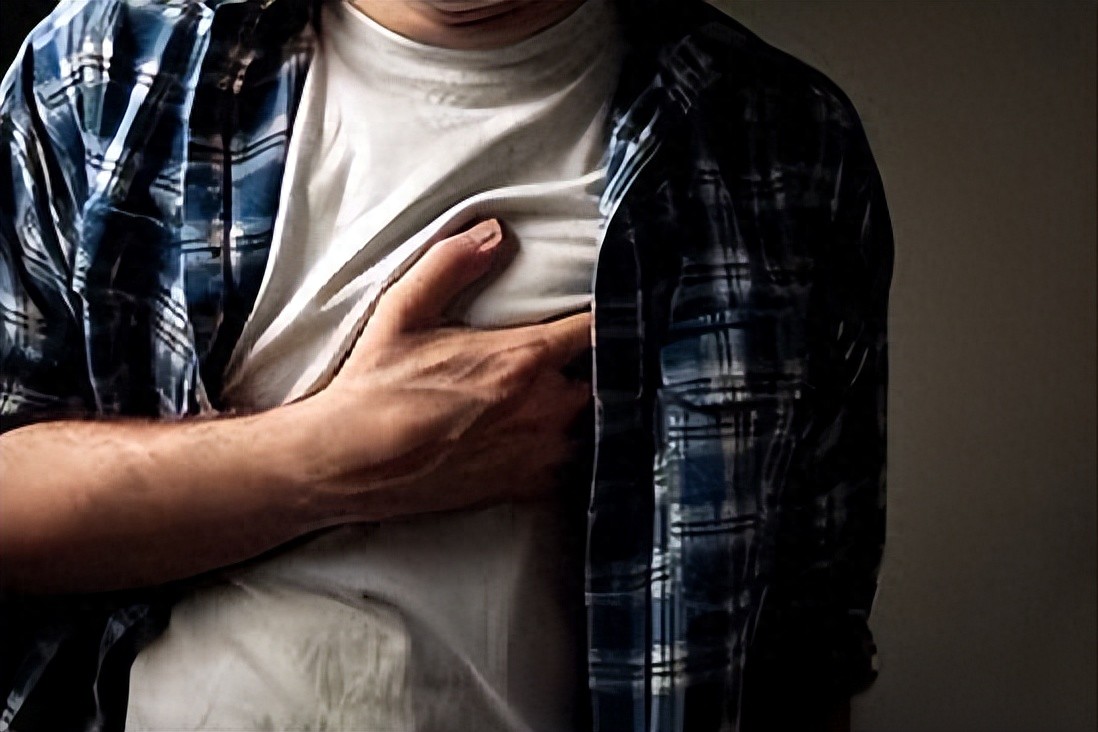
Traditional Chinese medicine holds that the Heart is the sovereign organ, governing the blood vessels and housing the Shen (spirit). Heart Yang has warming and motivating functions that promote the movement of qi and blood throughout the body. The Liver governs dispersion and ensures smooth flow of qi; for the Liver to function properly it depends on the warming and support of Heart Yang. If Heart Yang is insufficient, it is like inadequate sunlight that prevents trees from spreading and growing—Liver qi then tends to become constrained and stagnated.
Those with long-term Liver qi stagnation often not only experience low mood or irritability, but may also have signs of deficient Heart Yang such as cold hands and feet, aversion to cold and preference for warmth, mental fatigue, palpitations, and chest discomfort. In such cases, merely soothing the Liver without warming the Yang often fails to produce lasting therapeutic effects.
For this situation, one can consult two classic formulas from the medical sage Zhang Zhongjing for regulation:
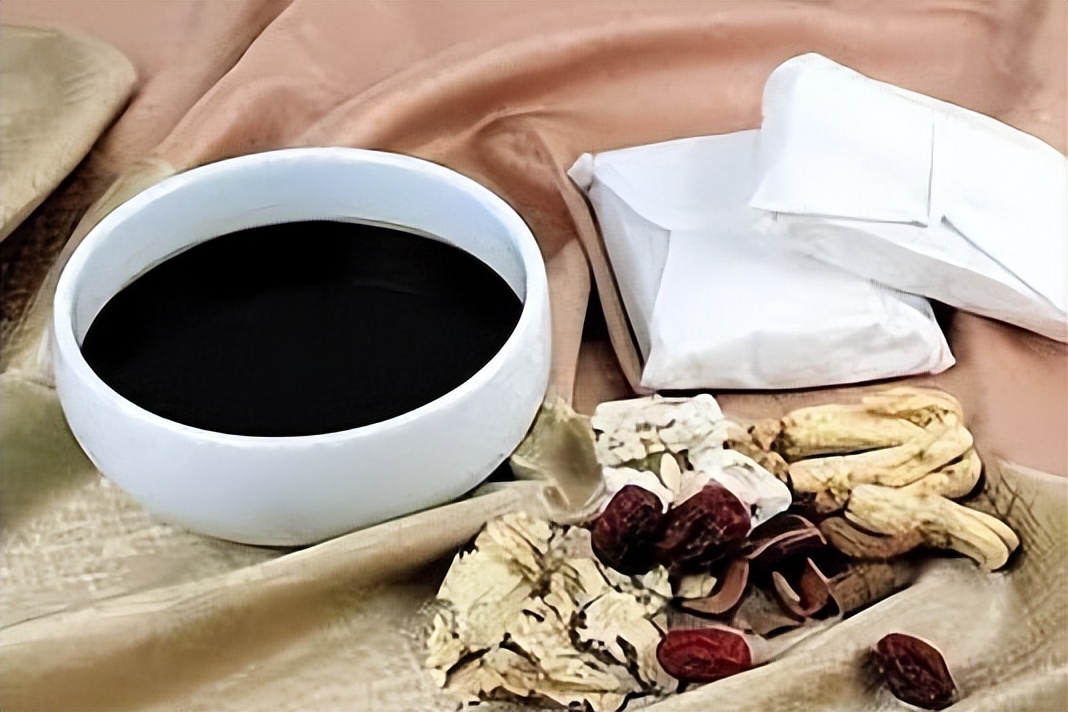
Guizhi Gancao Decoction: This formula contains only Guizhi (Cinnamon Twig) and Gancao (Licorice). Guizhi is acrid, sweet, and warming, able to invigorate Heart Yang and unblock the meridians; Gancao tonifies the middle and augments qi while harmonizing the actions of herbs. Together they focus on supporting Heart Yang—when Heart Yang is sufficient, qi and blood are warmed and flow smoothly, thereby indirectly helping Liver qi to course and resolve.
Sini San: Composed of Chai Hu, Shao Yao, Zhi Shi, and Gan Cao, it excels at soothing the liver, regulating the spleen, and unblocking constrained yang; it is a classic formula for treating qi stagnation. Used together with Guizhi Gancao Tang, it can address both root and branch—warming the heart yang to treat the root while smoothing liver qi to treat the symptoms.
Real case reference
I once treated a 42-year-old woman who had long suffered from high work stress and low mood, with rib-side distention, chest tightness, cold hands and feet in winter, and difficulty falling asleep. She had been taking liver-soothing and qi-moving medicines on her own for months, with symptoms recurring from time to time. On examination her tongue was pale with a white coating, and her pulse was deep, thin, and wiry—patterns indicating deficient heart yang and unrelaxed liver qi. I advised her to stop her previous medications and prescribed Guizhi Gancao Tang combined with a modified Sini San. At a two-week follow-up she reported her hands and feet had warmed, chest tightness had lessened, and her sleep had improved.
Indications and precautions
This method is suitable for cases of liver qi stagnation accompanied by deficiency of heart yang, with typical manifestations such as: emotional depression, chest and hypochondriac distension, alongside aversion to cold, cold limbs, fatigue, palpitations, etc.
The following groups are not advised to use this on their own:
Those with a relatively hot constitution, prone to internal heat, with a red tongue and yellow coating;
Those with yin deficiency with hyperactive fire or with exuberant internal heat;
Pregnant women and those currently taking other medications.

Conclusion
Treating liver qi stagnation should not focus solely on the liver; treating from the heart and warming and unblocking yang qi often yields good results. The pairing of Guizhi Gancao Tang and Sini San reflects the traditional Chinese medicine holistic approach of "warming yang to soothe the liver." It is recommended to use them according to syndrome differentiation under a physician's guidance, while maintaining a relaxed mood and moderate exercise, to better restore the balance of qi movement.