Individuals with Yin deficiency are like lamps with exhausted oil, enduring great suffering, but with the right approach, they can be adjusted back within a week
Many people feel their body is "overheating," experiencing symptoms such as dry mouth and tongue, irritability, insomnia, night sweats, and recurrent oral ulcers, and mistakenly assume it's due to excessive heat, rushing to take cooling and heat-reducing medications. However, the more they take, the more they become depleted, and their symptoms worsen. This is actually caused by "deficient fire" due to Yin deficiency, which is entirely different from "excess fire," with completely different treatment approaches.
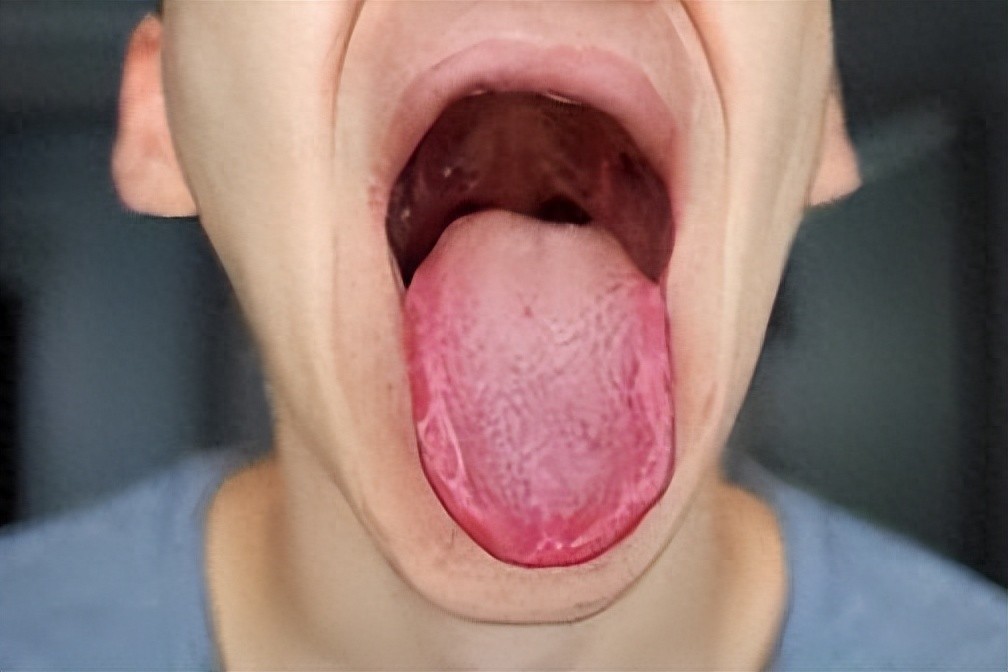
From the perspective of TCM, Yin deficiency refers to insufficient Yin fluids (including body fluids and blood) in the body. Yin fluids act like the body's "cooling fluid," nourishing the organs and regulating Yang. Once Yin fluids are depleted, Yang becomes relatively excessive, leading to deficient fire and various "overheating" symptoms, but the underlying condition is a deficiency pattern, not true excess heat.
At this time, if one blindly takes cold and heat-clearing herbs, it may instead damage the yang of the spleen and stomach, leading to weakened digestive function, and may even turn into a condition of both yin and yang deficiency, making regulation even more difficult.
Yin deficiency also comes in different types, with regulation methods having different focuses:
If it is primarily due to a deficiency of yin fluids, characterized by heat in the palms and soles, afternoon feverishness, soreness in the lower back and knees, and a red tongue with little coating, one can refer to Zhi Bai Di Huang Tang or Da Bu Yin Jian to nourish yin and reduce fire;
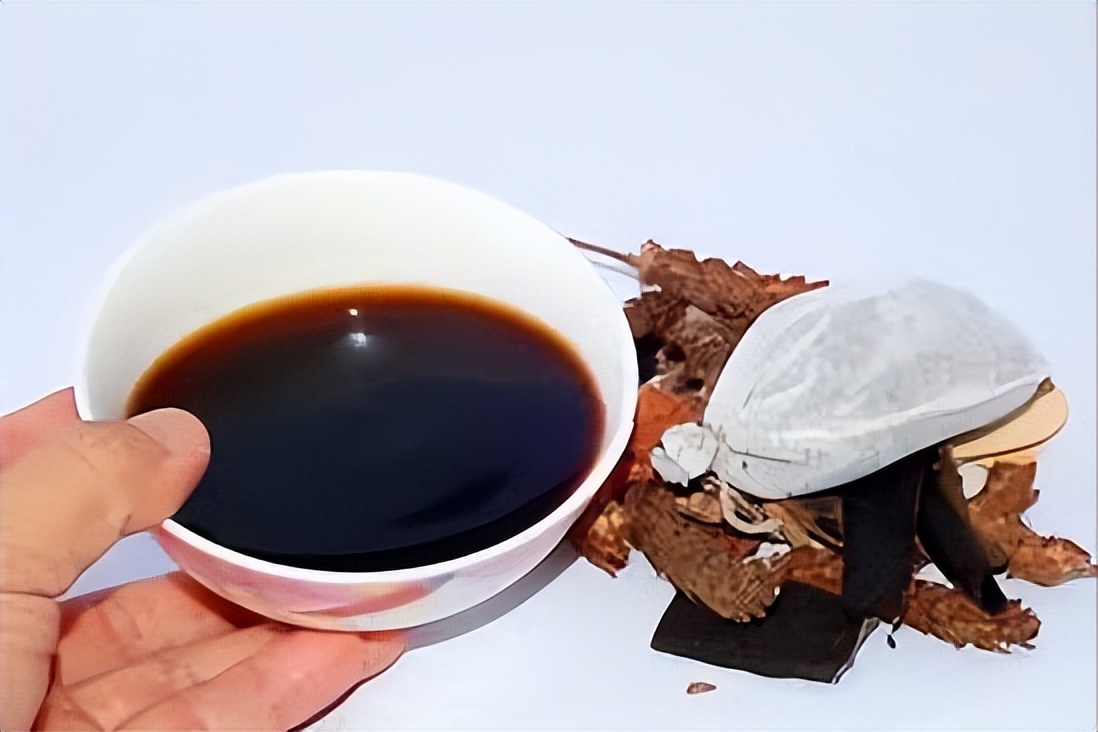
If it is also accompanied by qi deficiency, with symptoms such as fatigue and weakness, shortness of breath and reluctance to speak, and sweating even with slight activity, it belongs to qi and yin deficiency, making Sheng Mai Yin suitable for tonifying qi and nourishing yin;
If the yin deficiency is caused by blood deficiency, common symptoms include dry eyes, blurred vision, numbness in hands and feet, insomnia with frequent dreams, lack of luster in facial complexion, and in women, reduced menstrual flow. Guishao Dihuang Tang can be used to nourish the liver and kidney, replenish blood, and nourish yin.
In the outpatient clinic, there was a 35-year-old female patient who worked long hours at night. She gradually developed symptoms such as dry mouth and throat, restlessness, insomnia, and recurrent oral ulcers. She had taken many heat-clearing and fire-extinguishing herbs, which initially showed some effect but later led to increased fatigue and formed stools. Upon examination, her tongue was red with little moisture, and her pulse was fine and rapid, indicating a typical pattern of yin deficiency with excess fire and spleen deficiency. I advised her to stop taking heat-clearing herbs and switch to yin-nourishing and spleen-tonifying formulas, based on Zhibai Dihuang Wan with modifications. After three days of medication, her dry mouth significantly improved, and after one week, her sleep quality improved, with the symptoms of excess fire also largely subsiding.

In summary, regulating yin deficiency should not solely focus on heat-clearing methods but rather prioritize yin-nourishing approaches. It is recommended to consult a physician for syndrome differentiation and medication based on specific conditions to achieve good results without harming the body.