"When the Qi flows freely, there is no pain." Relieve Headaches by Massaging Acupoints
With the accelerated pace of modern life and increased work pressure, people often experience symptoms of neurasthenia such as insomnia, headaches, dizziness, lack of energy, and memory decline.
Headache is an extremely complex symptom, typically manifesting as pain in different parts of the head, including the forehead, temples, top of the head, and occipital region. It can be continuous or intermittent. The nature of the pain is mainly dull, stabbing, or throbbing, with some cases accompanied by a pulsating sensation in the blood vessels, causing significant disruption to daily life.
Numerous factors can lead to headaches, such as cerebrovascular diseases, eye-related conditions, ear-related conditions, hypertension, and cervical spondylosis. For headaches caused by identifiable underlying conditions, active treatment of the primary disease is essential. However, many individuals experience nonspecific headaches without underlying diseases, which can also be referred to as tension-type headaches.
Tension-type headaches are characterized by persistent contraction of the muscles and fascia in the head and neck (which may result from cold exposure or mental stress), manifesting as dull pain, tightness, or a feeling of pressure. Some cases may also involve a sensation of heaviness in the head and are often secondary to or associated with cervical spondylosis. This type of headache is common among individuals who engage in prolonged desk work, especially those with long working hours and high mental stress. Such headaches tend to recur frequently, with varying degrees of severity.
The principle "If it flows freely, there is no pain" applies here. Acupressure massage can help relieve muscle tension, improve local blood circulation, and reduce inflammation and pain, making it highly effective for alleviating headaches. Below, we introduce different massage techniques tailored to specific headache locations.
Forehead Headache
Point Selection: Zanzhu (BL2) and Hegu (LI4)
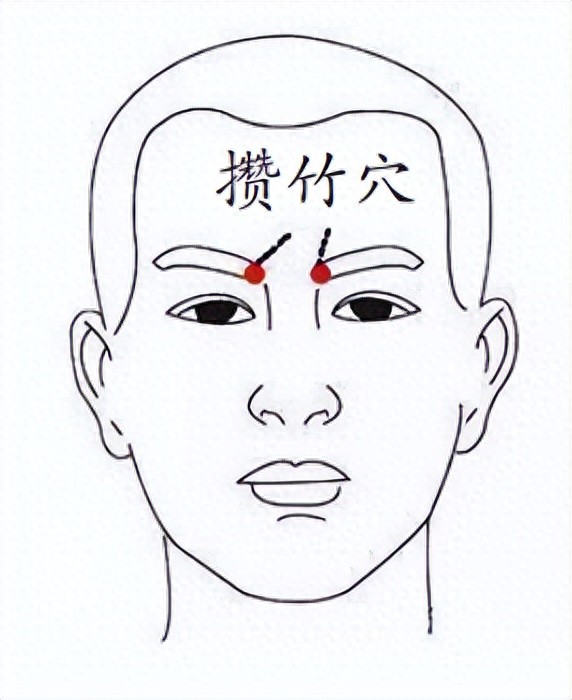
Location: Zanzhu (BL2) is located on the face, in the depression at the inner end of the eyebrow.
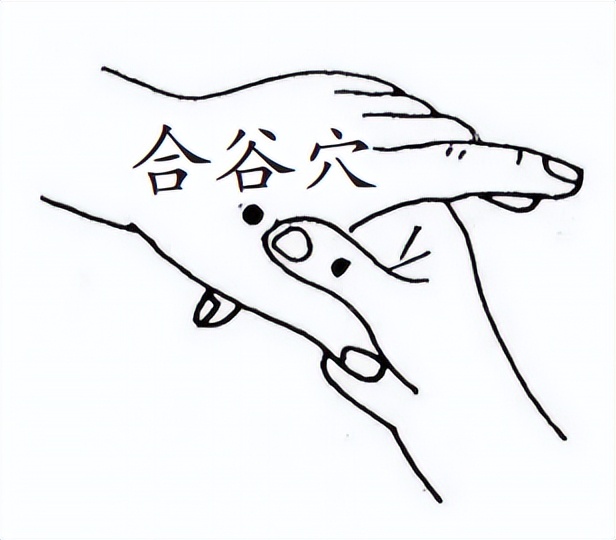
Location: Hegu (LI4) is located between the first and second metacarpal bones, at the midpoint on the radial side of the second metacarpal bone. Alternatively, when the thumb and index finger are brought together, the highest point of the muscle bulge is the acupoint.
Method: Sit upright or lie flat. Use both thumbs to apply pressure to the Zanzhu (BL2) acupoints at the inner ends of the eyebrows for 2 minutes, gently kneading if desired. Use the left thumb to knead the right Hegu (LI4) acupoint and the right thumb to knead the left Hegu (LI4) acupoint, alternating for 1 minute each side. Repeat as needed until relief is achieved.
Migraine on Both Sides
Acupoint Selection: Taiyang (EX-HN5), Waiguan (SJ5)
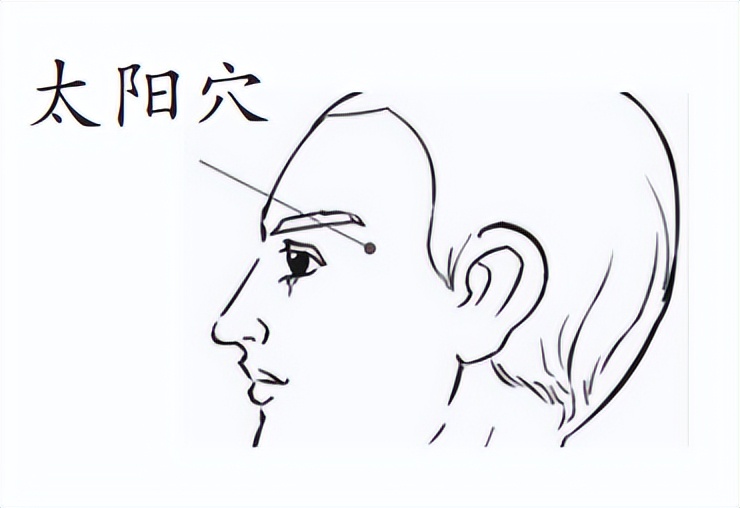
Location: The temples are located in the temporal region, in the depression about one finger-width posterior to the midpoint between the outer end of the eyebrow and the outer canthus of the eye.
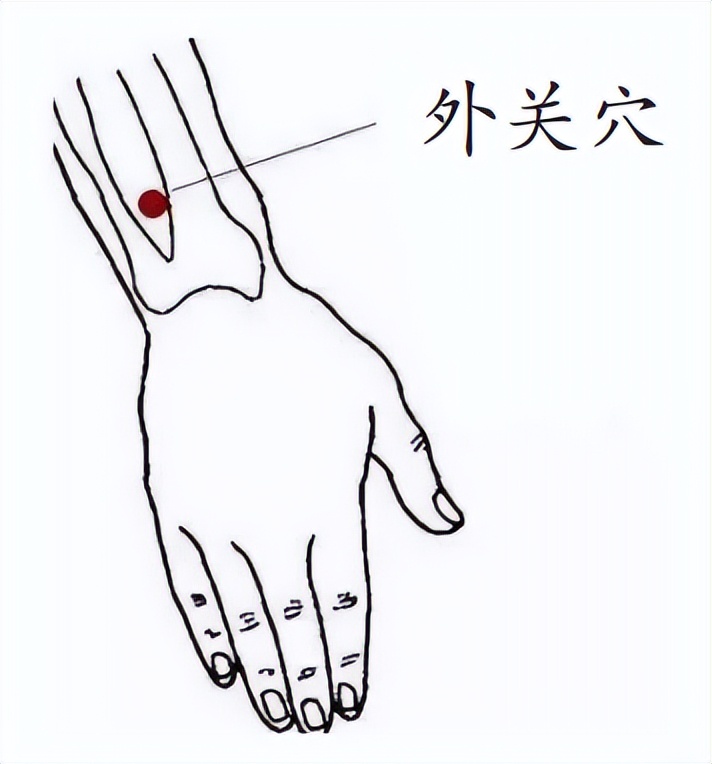
Location: The Outer Pass Point (Wàiguān xué) is located on the lateral side of the forearm, 2 cun (approximately the width of two thumbs) above the dorsal wrist crease, at the midpoint between the ulna and radius bones.
Operation: Sit upright, use both index fingers to press and stimulate the bilateral temples for 2 minutes; gentle circular massage may be applied. Use the left thumb to press and knead the right-side Waiguan (SJ5) point, and use the right thumb to press and knead the left-side Waiguan (SJ5) point, alternating sides for 1 minute each. This sequence can be repeated until relief is achieved.
Pain at the top of the head
Selected Acupoints: Baihui (GV20), Taichong (LR3)
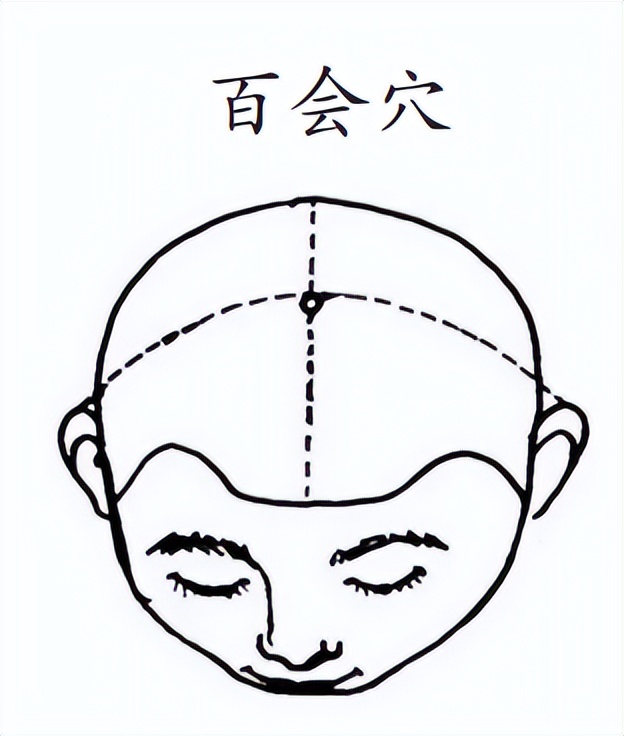
Location: The Baihui acupoint is located at the top of the head, vertically above the tips of both ears, in the exact center of the crown.
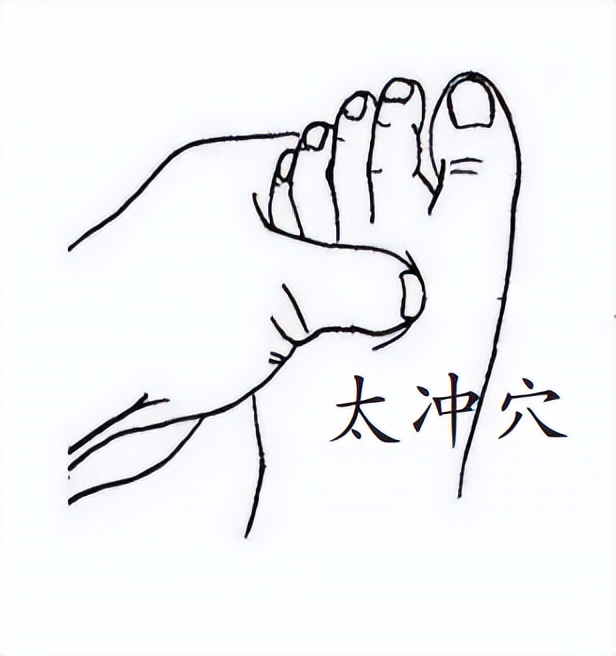
Location: Taichong Point is located on the dorsum of the foot, in the depression anterior to the junction of the first and second metatarsal bones, between the first and second toes.
Operation: Sit upright, use the thumb to press and knead the Baihui point (DU20) on the top of the head for 2 minutes. Use both thumbs to press and knead the Taichong points (LR3) on the dorsum of both feet for 2 minutes. This can be repeated until relief is achieved.
Occipital headache
Selected acupoint: Fengchi points (GB20)
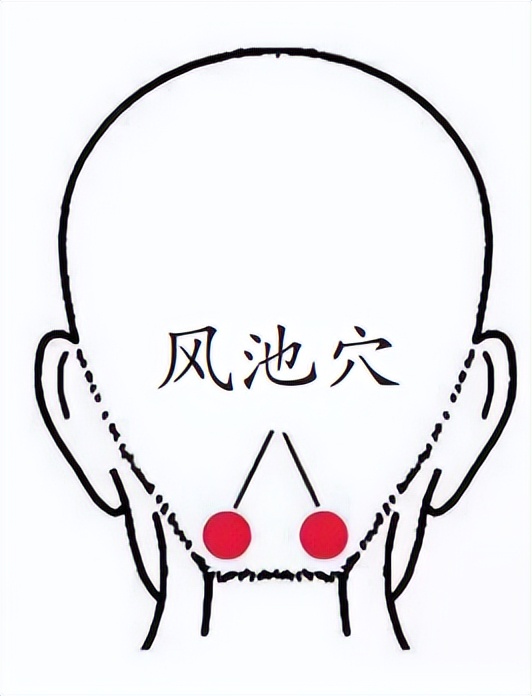
Location: In the depression between the two large tendons on the outer edge, below the occipital bone at the back of the neck, level with the earlobes.
Procedure: Sit upright, use both thumbs or index fingers to apply pressure on both sides of the Fengchi points (located beneath the occipital bone) for 2 minutes. Repeat as needed until relief is achieved.
All of these are easy-to-learn self-acupressure techniques. Tension headaches are often caused by factors such as qi stagnation, blood stasis, wind-cold, and others. Traditional Chinese medical massage and acupressure can promote qi circulation, activate blood flow, expel wind, and disperse cold. They also help relax tendons and muscles, unblock meridians, and effectively relieve headaches.