Long-term phlegm-dampness, if Chenpi and Banxia are ineffective, then use Shichangpu and Huoxiang to open the Xuanfu, with immediate effect
When regulating phlegm-dampness, many people know to use Chenpi and Banxia to dry dampness and resolve phlegm, but sometimes the effect is not obvious. This actually suggests us that long-term phlegm-dampness stagnation may not only be related to the dysfunction of the spleen and lung, but more importantly, the body's Qi mechanism channels are not smooth, "Xuanfu" is blocked, leading to turbid phlegm having no way to exit.
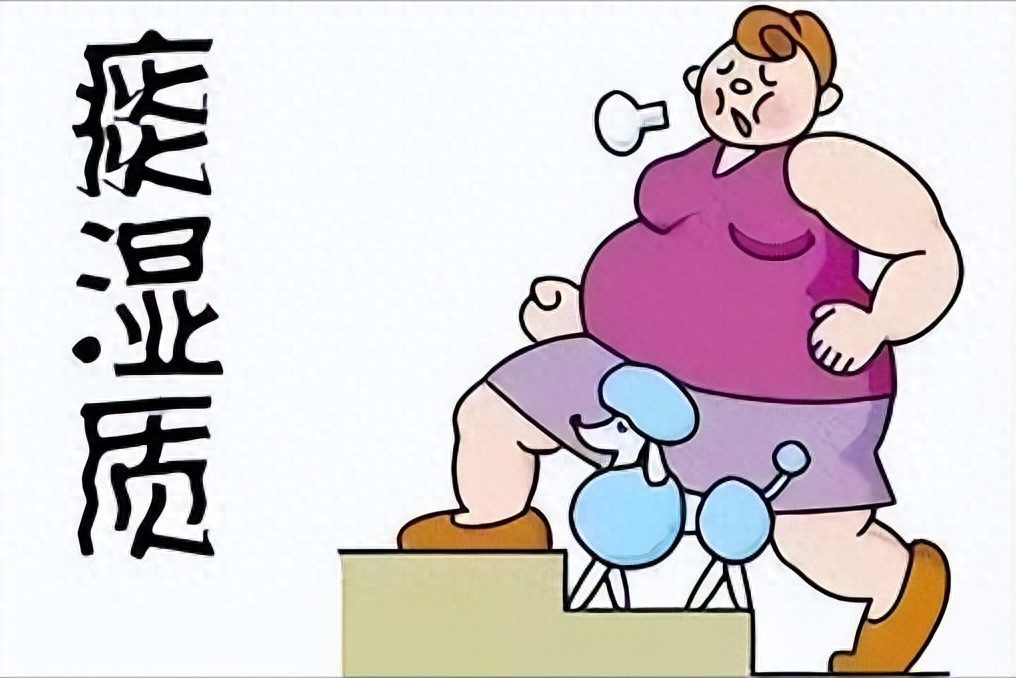
Xuanfu is a concept used in TCM to describe the micro-channels of the human body, such as pores and skin textures, and it is closely related to the circulation of Qi and body fluids, as well as internal-external exchange. If Xuanfu is depressed and blocked, turbid phlegm cannot permeate outward, even if continuously strengthening the spleen and resolving phlegm, it is prone to recurring generation.
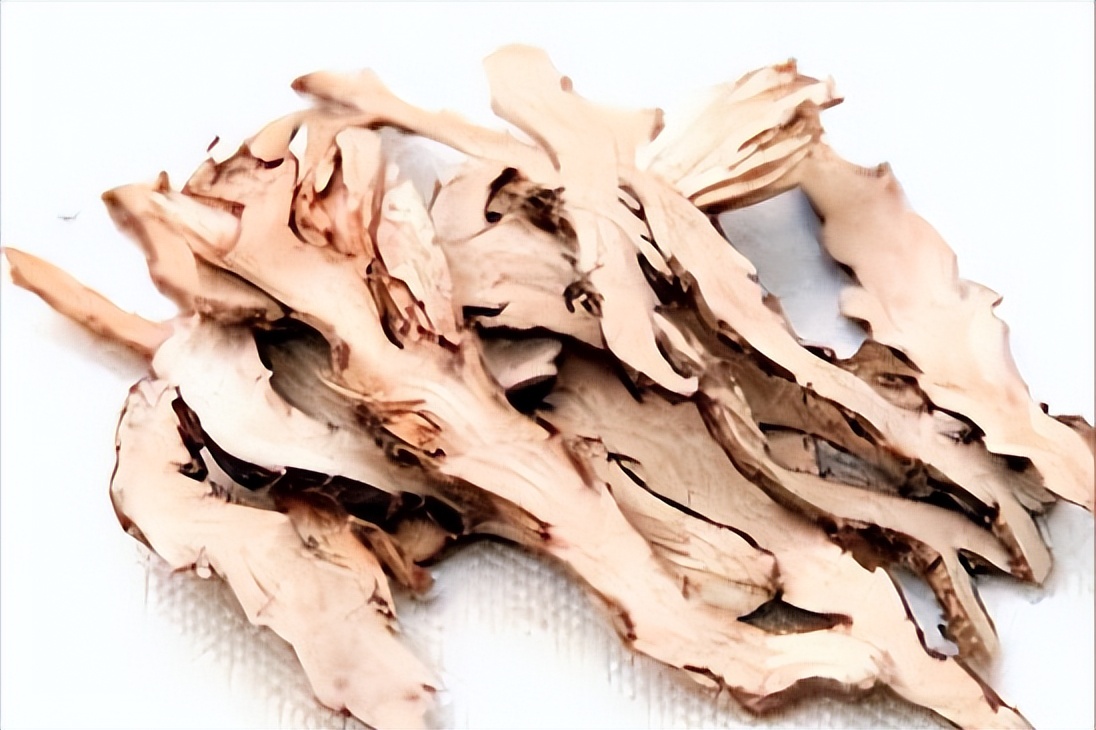
In such cases, Traditional Chinese Medicine often adopts the method of "opening the xuanfu (subtle portals) and using aromatic herbs to resolve turbidity." The two medicinal herbs, Shi Changpu (Acorus tatarinowii) and Huoxiang (Pogostemon cablin), are pungent and aromatic with mobile properties, and warm in nature, making them effective at dispersing stagnation and penetrating damp-turbidity. They promote the opening and closing of the striae, thereby restoring the flow of qi and fluids. Not only do they help to resolve dampness, but more crucially, they "open the pathways," providing an outlet for phlegm-dampness and fundamentally improving the sticky, sluggish constitutional state.
Such methods are particularly suitable for individuals who often feel heavy in the body, chest tightness and epigastric distension, sticky mouth with greasy tongue coating, and are prone to recurring phlegm production with poor response to conventional phlegm-resolving medications.
【Real Case】
Case Example: Ms. Wang, 43 years old, with a slightly overweight build, had long-standing complaints of profuse, sticky phlegm, a feeling of dullness or heaviness in the head, and bloating after meals. She had taken formulas based on Er Chen Tang (Two Matured Substances Decoction) for several months with initial moderate improvement, but the effects gradually diminished. Upon examination, her tongue coating was thick and greasy, and her pulse was soggy and slippery. The practitioner identified the pattern as phlegm-dampness stagnation with obstruction of the xuanfu. Consequently, to the base treatment of fortifying the spleen and resolving phlegm, 9 grams of Shi Changpu and 12 grams of Guang Huoxiang (Pogostemon) were added. After taking seven doses of the modified formula, the patient reported feeling significantly lighter, with reduced phlegm and a great improvement in the heavy sensation in her head.
It should be noted that although stone arrowhead and patchouli can promote circulation, they must be combined with other herbs to be effective. They are not suitable for individuals with yin deficiency and dry heat or those with qi deficiency and excessive sweating. It is recommended to use them under the guidance of a physician for syndrome differentiation to safely and effectively resolve phlegm dampness.