A hundred times replenishing qi and blood is not as good as once replenishing heart yang! The root cause of qi and blood deficiency lies in heart fire
Many friends have qi and blood deficiency and have taken many qi and blood replenishing pills like Ba Zhen Wan and Gui Pi Wan, but the effect is not obvious. Some people even get angry when they take supplements and feel even more uncomfortable. At this time, perhaps we can change our approach: not only replenishing the material level of "blood," but also paying attention to the body's ability to transform energy—in other words, what TCM refers to as "heart yang."
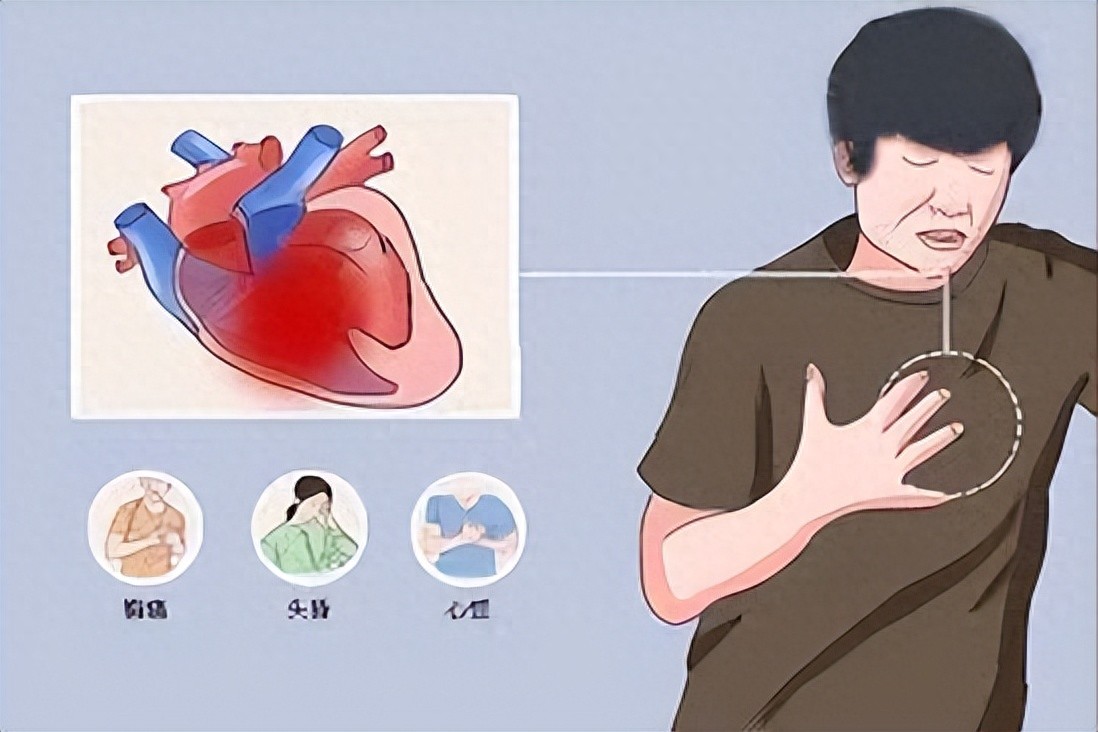
We all know the spleen and stomach are the "source of qi and blood production," but think of them more like a kitchen. Having ingredients alone isn't enough—you need fire to cook the food. As stated in the TCM classics: "Blood is the essence derived from the middle energizer, which is transformed into red blood under the influence of the heart." This means that while the spleen and stomach transform food into essential nutrients, it is the warming and propelling action of heart yang that ultimately turns these nutrients into blood. If heart yang is insufficient, even efficient digestion by the spleen and stomach will struggle to effectively convert food into qi and blood.
This also explains why some people take blood-tonifying herbs like Angelica sinensis and Rehmannia glutinosa, but the effect is not ideal. They are essentially "substance-tonifying" herbs, like adding ingredients to a pot, but if the fire is not strong enough, even more ingredients will not "cook." The truly effective method is to combine blood-tonifying herbs with herbs that warm and promote the heart yang, such as cinnamon twigs, dried ginger, and cinnamon bark. They are like adding fire to the pot, igniting the entire metabolic process.
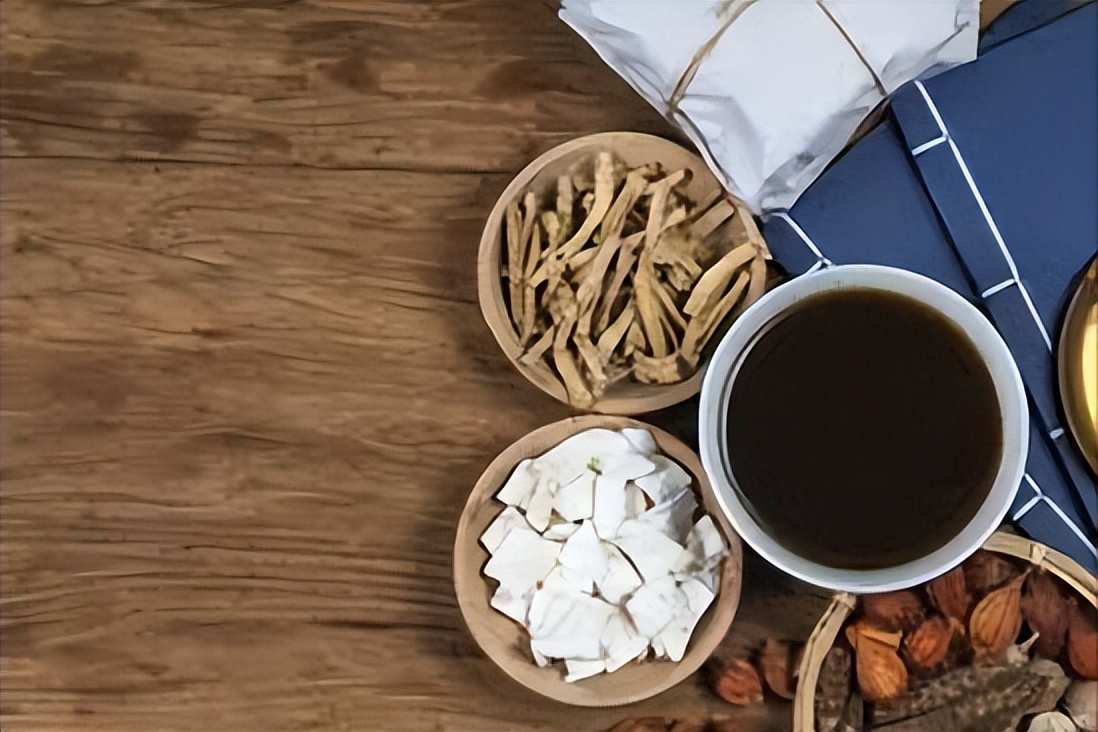
A representative formula based on this principle is Zhang Zhongjing’s Zhi Gancao Tang (Licorice Decoction). The formula not only includes blood-tonifying herbs such as Sheng Di Huang (Rehmannia) and E Jiao (Donkey-Hide Gelatin), but also adds Gui Zhi (Cinnamon Twig) and Sheng Jiang (Fresh Ginger) to warm and unblock heart yang. Once heart yang is invigorated, qi and blood are steamed and transformed, enabling smoother circulation throughout the body. As a result, the vessels become full and strong. It is precisely because of its ability to restore the dynamic movement of qi and blood that this formula is also known as Fumai Tang (Pulse-Restoring Decoction).
I once treated a female patient in her forties who had long presented with a pale complexion, palpitations, and fatigue. She had tried several blood-tonifying herbs on her own, but they were either ineffective or caused symptoms of heat. Pattern differentiation revealed that she suffered not only from blood deficiency but also from heart yang deficiency. Therefore, in addition to nourishing the blood, the treatment strategy included warming heart yang and unblocking vessel qi, using a modified version of Zhi Gancao Tang. After one month of tailored treatment, not only did her complexion improve, but she also felt more energetic overall.
So, replenishing qi and blood isn't just about "adding materials," but more about "igniting the flame and raising the temperature." If you've been experiencing long-term qi and blood deficiency and find it difficult to replenish, perhaps it's time to look for the cause from the perspective of heart yang. Of course, specific medication should still be administered under the guidance of a professional physician, with syndrome differentiation and regulation tailored to individual constitutions.