Unblocking Yang Is the Foundation of Tonifying Yang! A Formula to Unblock Yang with Just Four Simple Herbs, Allowing Yang Qi to Circulate Throughout the Entire Body!
Everyone, have you ever wondered why, despite frequently eating lamb and drinking tonic soups, your hands and feet still feel as cold as ice, and your lower abdomen just won’t warm up? Actually, many people are approaching tonifying Yang the wrong way! Yang Qi is like the heating in your home; if the pipes are blocked, no matter how strong the heating is, it can't reach every room. Therefore, before tonifying Yang, you must first unblock the pathways. Unblocking Yang is the foundation of tonifying Yang!

Today, I'm going to share with you a famous formula for unblocking Yang that has been passed down for over a thousand years — *Si Ni San* (Frigid Extremities Powder). This is a classic formula recorded by the Medical Sage Zhang Zhongjing in his work *Shang Han Lun* (Treatise on Cold Damage). Don't be fooled by its simplicity—it contains only four herbs: *Chai Hu* (Bupleurum), *Zhi Shi* (Immature Bitter Orange), *Bai Shao* (White Peony), and *Gan Cao* (Licorice). But when combined, they address major issues, specifically targeting situations where Yang Qi gets "stuck."
First, let's talk about bupleurum, which has the effect of soothing the liver and regulating qi. In traditional Chinese medicine, the liver governs dispersion. This dispersion is like opening the floodgates to allow the flow of qi throughout the body. When liver qi is smooth, yang qi can flow along with it. Friends who often feel depressed or experience a sensation of tightness in the chest are actually suffering from stagnant liver qi, and yang qi is trapped in the body as a result.
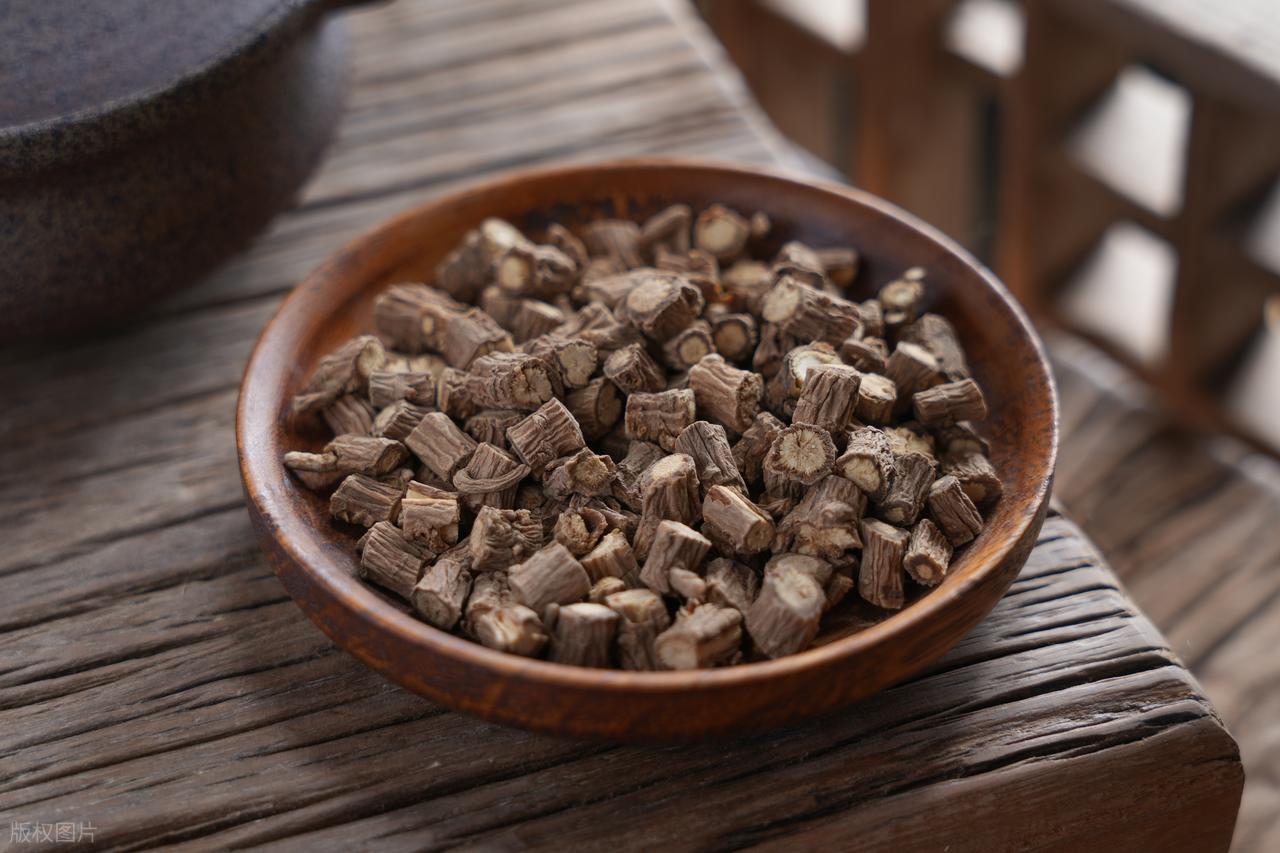
Next, there is bitter orange, which can break up qi stagnation, disperse masses, promote qi movement, and alleviate fullness. It helps expel turbid qi downward and assists in clearing the lower half of the body for yang qi circulation. White peony root is responsible for nourishing blood and softening the liver, preventing excessive ascension of yang qi and playing a regulatory role. Finally, licorice is added to harmonize all the herbs. When combined with white peony root, it can also produce the effect of transforming yin through sour and sweet flavors. Since yin and yang are interdependent, only when yin fluids are sufficient can yang qi have a medium to carry it along the meridians to the hands, feet, and internal organs, where it can exert its effects.
However, it's important to remind everyone that each person's constitution is different. Some people have spleen and stomach deficiency with cold, while others suffer from liver qi stagnation. If you're unsure about your own condition, it's best to consult a traditional Chinese medicine practitioner for a pulse diagnosis, identify your constitution accurately, and then proceed with adjustments. Don't just buy herbs based on a formula and take them casually.
Traditional Chinese medicine emphasizes syndrome differentiation and treatment. When it comes to tonifying yang, it cannot be rushed. Remember, clearing the pathway first and then tonifying is key. The content of this article is for educational purposes only and should not be used as a basis for diagnosis or treatment. If you feel unwell, please seek medical attention promptly!