Don't mess around with dehumidifying during the dog days! Distinguish between cold, heat, phlegm, and dampness clearly, and let Traditional Chinese Medicine help you adjust your body to stay fresh all summer long.
As soon as the Dog Days arrive, many people feel their bodies are heavy, their hair gets greasy enough to fry a dish right after washing, their clothes stick uncomfortably to their skin, and even breathing feels labored! In fact, this is all due to dampness wreaking havoc. Many believe drinking a bowl of red bean and barley porridge can dispel dampness, only to end up feeling more debilitated. Traditional Chinese Medicine holds that dampness is differentiated into cold and heat types. Today, we'll teach you how to quickly identify damp-heat, cold-damp, and phlegm-damp, and use the right methods to drive away the pervasive dampness!
I. Damp-heat
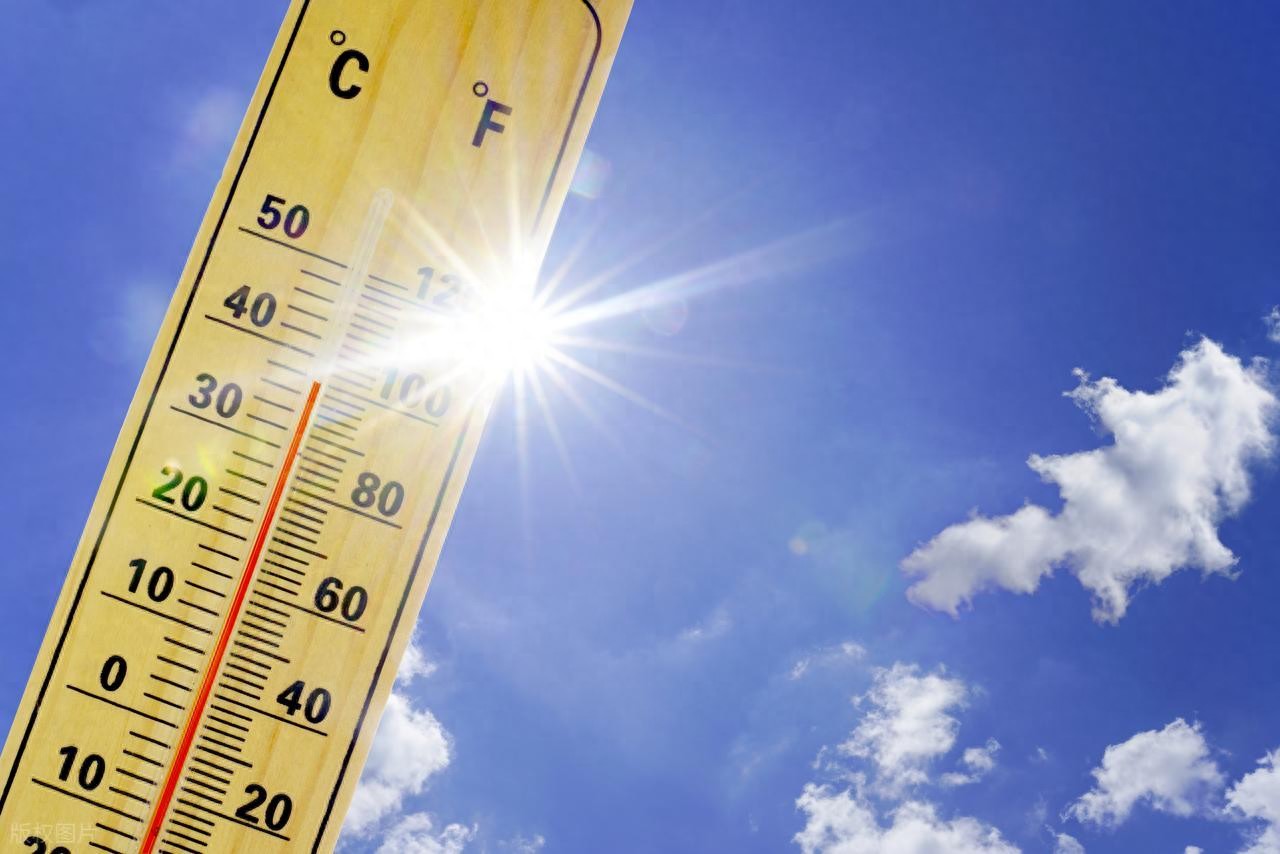
In summer, many people suffer particularly from damp-heat. TCM believes: "When dampness and heat contend, it's like mixing oil into flour." Once dampness and heat become entangled, separating them is incredibly difficult. Many friends wake up, look in the mirror, and see a shiny, oily face prone to acne. Eating even a little causes stomach bloating, the smell of grease induces nausea, and bowel movements result in sticky stools that cling to the toilet bowl, requiring multiple flushes. Urine is dark yellow, and there might even be constant dampness in the groin area, with urination being painful and burning.
Take a look at the tongue—if the coating is yellow, thick, and greasy, it's basically indicative of a damp-heat constitution. In such cases, clearing damp-heat is necessary. If one feels excessive liver-gallbladder fire with symptoms like a bitter taste in the mouth and a dry throat, it's often liver-gallbladder damp-heat. You might try Longdan Xiegan Wan. For spleen-stomach damp-heat with symptoms like bad breath and stomach bloating, Huoxiang Qingwei San is more effective. If it's lower jiao damp-heat with frequent trips to the bathroom, consider Bazheng San with modifications.
II. Cold-dampness
This type of person is rather peculiar—while others wear short sleeves in summer, they wear long sleeves yet feel cold hands and feet, with chilly knees and lower abdomen. They dare not consume cold foods, as even a bite of something cold can cause diarrhea. They experience fatigue, exhaustion, and oily hair, along with loose stools. Examining the tongue reveals a pale color with a watery, slippery coating, which is typical of a Cold-Dampness constitution.
Traditional Chinese medicine holds that cold conditions should be treated with warmth. To address Cold-Dampness, one should employ methods to warm yang and dispel dampness. Zhenwu Decoction, with modifications, may be considered as it warms kidney yang and expels water-dampness, but it is essential to consult a doctor for a prescription tailored to your constitution. In daily life, it’s important not to consume cooling herbal teas as if they were water. Instead, soak your feet daily and bask in the sun to gradually evaporate the cold-dampness with yang energy.
III. Phlegm-dampness
Phlegm-Dampness is more troublesome than ordinary dampness—it clings to the body like glue, stubborn and hard to shake off! Upon waking in the morning, the throat feels as if stuffed with cotton, with copious and sticky phlegm. Limbs feel heavy, the body is fatigued, stools are sticky and greasy, and the hair is so oily it can reflect light. Looking at the tongue, a white, thick, and greasy coating is often indicative of Phlegm-Dampness.
Traditional Chinese medicine views the spleen and stomach as the source of phlegm production. When the functions of the spleen and stomach are weak, their ability to transform and transport water-dampness declines. Over time, this leads to the formation of phlegm, which gradually accumulates. For regulation, it is necessary to strengthen the spleen and resolve phlegm. For those with persistent cough and copious white phlegm, Erchen Decoction may be considered to resolve phlegm and regulate qi. For those with spleen deficiency, abdominal distension, and poor appetite, Xiangsha Liujun Pill can be used for regulation.
This article is intended for educational purposes only. Individual body constitutions vary; always consult a doctor before taking any medication! Differentiate dampness types before treatment—never self-medicate blindly to avoid worsening your condition!