Sweating Easily and Profusely? Don't Blindly Take Yupingfeng Powder! Pay Attention to Distinguish These 3 Situations!
As the weather heats up, the body tends to sweat more easily, but excessive sweating is also a signal of health. Some people, while eating a hot meal, sweat from their forehead drips down their chin into the bowl; sitting on the sofa watching TV, their back becomes soaked through, leaving a large wet patch on their clothes; not to mention stepping outside for a walk, only to feel like they’ve just been pulled out of the water, drenched from head to toe.
At the first sign of excessive sweating, many people head straight to the pharmacy to buy Yupingfeng San (Jade Screen Powder), only to find that not only does their sweating not stop, but they also feel even more internally "dry" and restless. In fact, sweating is not something to be blindly "supplemented" for—you first need to identify what type of sweating you have, pinpoint the underlying cause, and treat it accordingly for better results. Let's take a look at the three common types of sweating—which one applies to you?
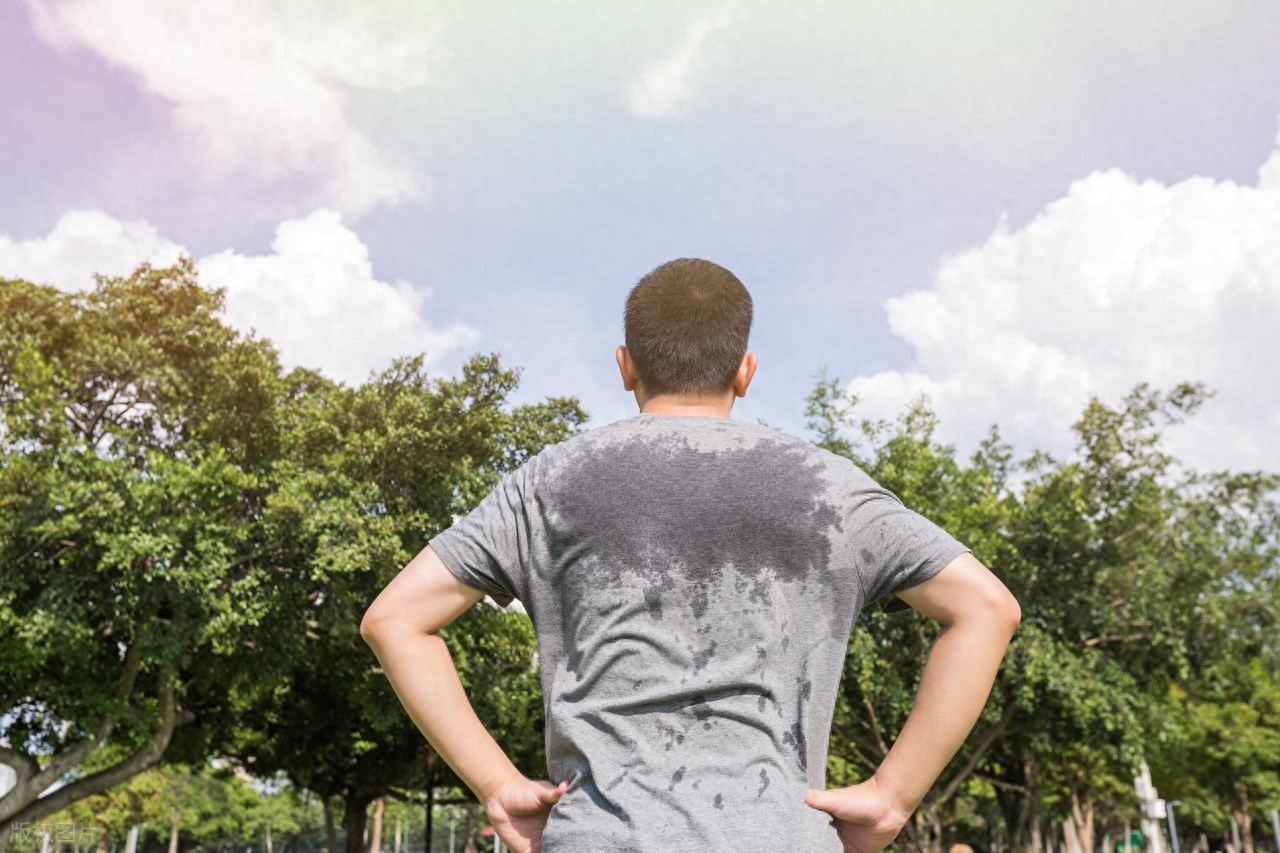
First Type: Most Sweat on the Head, Neck, and Chest – May Be Due to Damp-Heat in the Spleen and Stomach
Some people sweat primarily in the head and neck area: particularly on the back of the head, neck, and chest. The sweat feels sticky, often turning shirt collars yellow and carrying an odor. They also commonly have heavy breath or bad breath, poor digestive function in the spleen and stomach, bloating after eating even a little, and stools so sticky that they cling to the toilet bowl and are hard to flush clean.
This is often caused by dampness and heat in the spleen and stomach. In traditional Chinese medicine, the spleen and stomach meridians pass through the neck and head, and damp-heat pathogens travel upward along the meridians, which naturally leads to sweating in these areas. In such cases, the dampness and heat must be cleared first. Huoxiang Qingwei San (Agastache Stomach-Clearing Powder) can be considered for treatment. Once the dampness and heat are eliminated, the sweating in the head and neck will gradually improve.
Second Type: Persistent Sweating on Hands and Feet, Feeling Cool to the Touch – May Be Due to Insufficiency of Spleen Yang
If you frequently experience dampness in the palms of your hands and soles of your feet, struggle to warm them up even in the middle of winter, often feel bloated in the abdomen, have poor digestion, loss of appetite, cannot tolerate cold foods, and experience diarrhea after consuming even a small amount of cold food, this is often due to insufficient spleen yang.
Traditional Chinese medicine holds that the spleen governs the limbs. The yang qi in our body acts like a small stove, warming the body and also retaining sweat. If the yang qi in the spleen is insufficient, it can lead to cold sweats on the hands and feet. In such cases, it is necessary to help replenish the spleen yang. Fuzi Lizhong Wan (Aconite Center-Regulating Pill) can be considered for treatment. Once the yang qi is sufficient, the hands and feet will gradually warm up, and sweat will be retained.
Third Type: Excessive Sweating in the Groin Area – May Be Due to Damp-Heat in the Lower Jiao
If you often experience dampness in the groin and buttocks, accompanied by a strong sweat odor, underwear that easily turns yellow, and in men, a damp feeling in the scrotum, along with dry mouth, bitter taste, scanty and dark yellow urine, or even sexual dysfunction, this is often caused by dampness and heat in the lower jiao.
From the perspective of Traditional Chinese Medicine, our Liver and Gallbladder Meridians run through the groin area. If damp-heat travels along these meridians to this region, it is prone to "settling" there, leading to persistent local sweating. For this situation, one might consider using Gentian Liver-Draining Pills to clear damp-heat from the lower jiao. Once the damp-heat is eliminated, sweating in these areas will naturally improve.
The points mentioned above are provided for your reference. If you experience physical discomfort, do not blindly follow trends and purchase medication yourself; please exercise caution. If you truly feel unwell, it is still essential to consult a doctor. Targeted treatment and regulation are the reliable approach!