To deal with phlegm, first regulate the qi; when qi flows smoothly, phlegm dissipates naturally! Two simple medicines, treating both the symptoms and the root cause, solving the problem from its origin.
Some friends always feel phlegm in their throat, coughing for a long time without being able to clear it completely. They bought some phlegm-resolving medicines to take, but why don’t they see any improvement? Actually, you might have missed a key point—you need to "regulate the qi" first. Traditional Chinese Medicine believes that those skilled in treating phlegm do not treat the phlegm itself but rather regulate the qi. This statement is truly correct; regulating qi is much more important than simply resolving phlegm.
So how exactly does phlegm come about? It’s related to the dysfunction of water and fluid metabolism in our bodies. When water and fluids stagnate in the body for a long time, they turn into dampness. When dampness accumulates excessively, it gradually transforms into phlegm. In Traditional Chinese Medicine, qi is believed to propel water and fluids throughout the body, preventing them from accumulating and forming phlegm. However, if qi becomes obstructed and stops moving, water and fluids stagnate, leading to the formation of phlegm and dampness. Once phlegm and dampness block the pathways, qi finds it even harder to circulate. As a result, phlegm and dampness increase further, and the obstruction becomes more severe, which is why the phlegm never seems to clear completely.
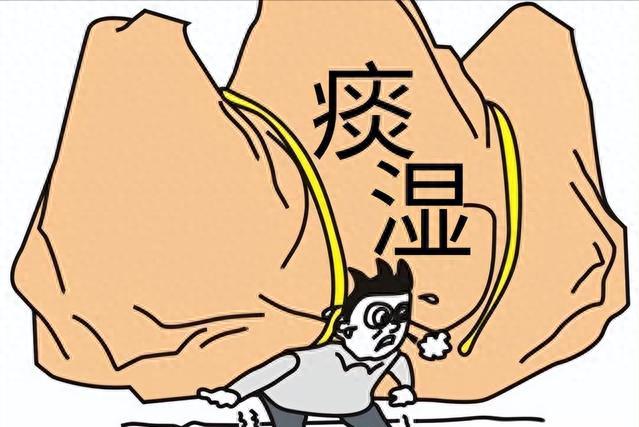
So, when you have phlegm in your throat that just won't go away no matter how much you cough, remember this: "To treat phlegm, first regulate the qi. When qi flows smoothly, phlegm will naturally dissipate." Only when the qi circulates freely and fluids are properly metabolized can the issue of phlegm be fundamentally resolved. Let me share a simple method with everyone: just boil pinellia and immature bitter orange in water and drink it.
Banxia dries dampness and transforms phlegm, lowers adverse qi and stops vomiting, helping to resolve phlegm-dampness in the body. Zhishi, on the other hand, promotes qi flow and transforms phlegm, relieving qi stagnation while also resolving phlegm. These two herbs not only clear existing phlegm but also regulate qi movement, preventing new phlegm-dampness from accumulating—thus addressing both the root and the symptoms.
If you often feel cold, with icy hands and feet, and the phlegm you cough up is white and thin, it's likely cold phlegm. In this case, you can add some cinnamon twigs (Guizhi) and dried ginger (Ganjiang) to Pinellia (Banxia) and Immature Bitter Orange (Zhishi), which can help to dispel dampness and cold, support yang, and promote qi flow. If you frequently experience internal heat, with a dry mouth that always makes you thirsty, and the phlegm is yellow, this indicates heat phlegm. You can add some Cape Jasmine Fruit (Zhizi) and wild chrysanthemum (Yejuhua) to help clear heat and bring down the fiery energy.
This article is intended for educational purposes only. If the phlegm you cough up looks different, you should adjust your approach based on your own condition. Ultimately, though, caution is essential when it comes to medication—it's best to consult a traditional Chinese medicine practitioner and obtain a proper diagnosis before using any remedies.