The more you sweat, the more prone you are to insomnia. A traditional Chinese medicine that nourishes blood and stops sweating can help you sleep soundly.
Did you know? The more you sweat, the more prone you are to insomnia. In life, many people sweat at the slightest movement, break into a sweat while eating hot food, and at night, they either toss and turn, unable to fall asleep; or they finally manage to fall asleep, only to have chaotic dreams, leaving them tired and listless the next day.
Traditional Chinese medicine believes that the heart houses the spirit—our ability to sleep soundly at night depends entirely on the stability of the heart spirit. For the heart spirit to be stable, it relies on qi and blood as its foundation. Sweat is the fluid of the heart, and body fluids and blood share the same source. Therefore, excessive sweating indirectly depletes heart blood. When heart blood is deficient, it leads to malnutrition of the heart spirit. How can one sleep well at night in such a condition?
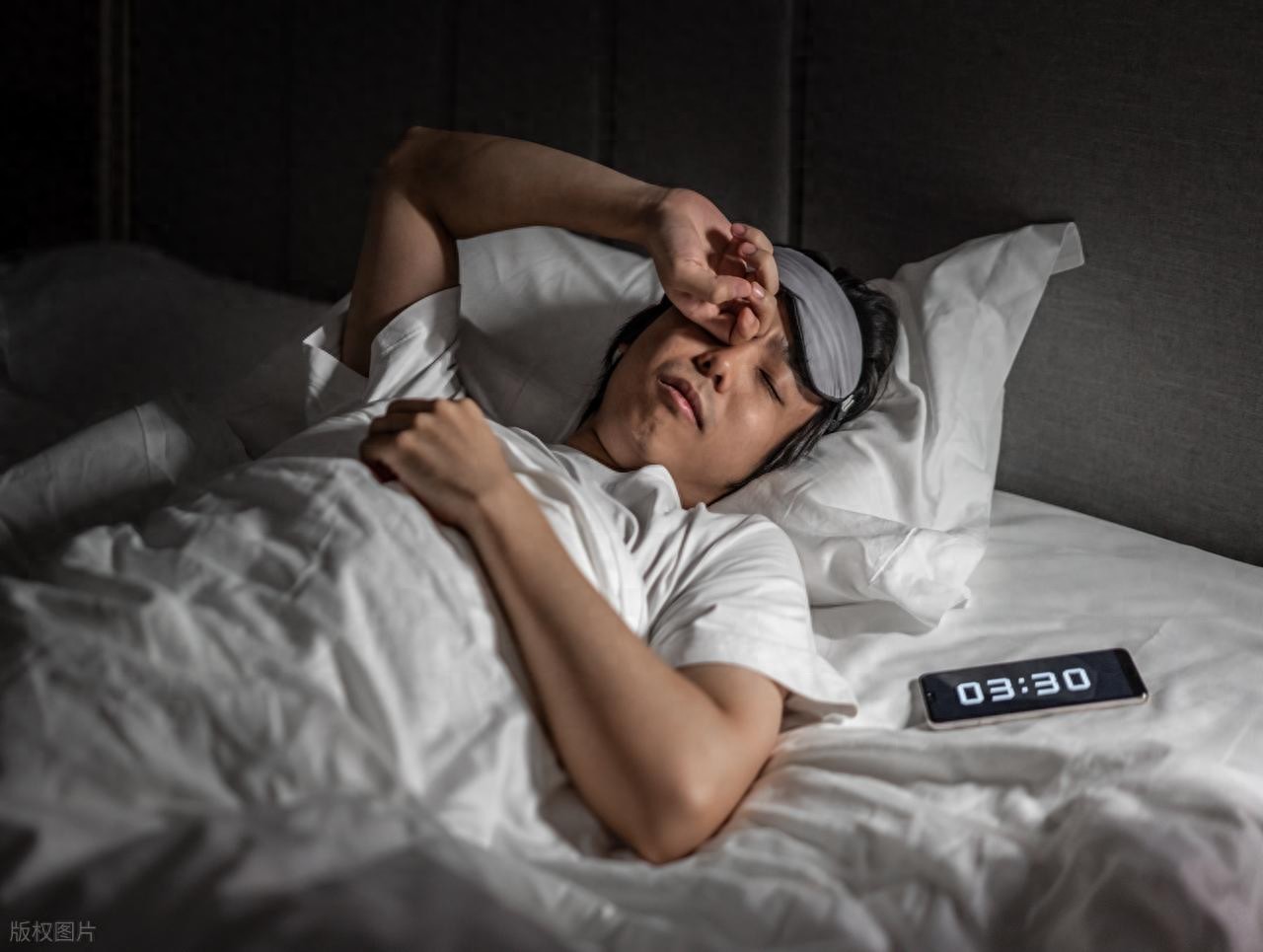
I once encountered a patient who presented with this exact condition—excessive sweating upon even slight movement. Despite feeling utterly exhausted during the day, she found herself unable to fall asleep once in bed at night. Even when she did manage to drift off, she was frequently troubled by dreams. Additionally, she experienced occasional dizziness, a sensation of tightness in the scalp, and a noticeable decline in memory. Upon waking each morning, she would feel chest tightness and a rapid heartbeat.
An assessment of her condition and tongue examination revealed a weak spleen pulse. In the body, the spleen functions like a small kitchen; it is responsible for processing ingested food into qi and blood. If the spleen is weak, the production of qi and blood naturally diminishes. On one hand, insufficient qi and blood fail to nourish the heart and mind, leading to insomnia and excessive dreaming. On the other hand, a lack of qi impairs the body's ability to properly regulate the "gate" controlling sweating, making one prone to excessive perspiration. The more one sweats, the more qi and blood are depleted, further worsening insomnia—creating a vicious cycle.
Therefore, the approach to regulation focused on strengthening the spleen, using a modified version of Guipi Tang (Restore the Spleen Decoction) as a reference. Additionally, considering her specific symptoms, herbs to boost qi, consolidate the exterior, and arrest sweating were incorporated. With sufficient qi, the body can effectively close the "gate" controlling perspiration. Moreover, since excessive sweating damages yang, and given her symptoms of aversion to cold and cold hands and feet, herbs to supplement yang were also added.
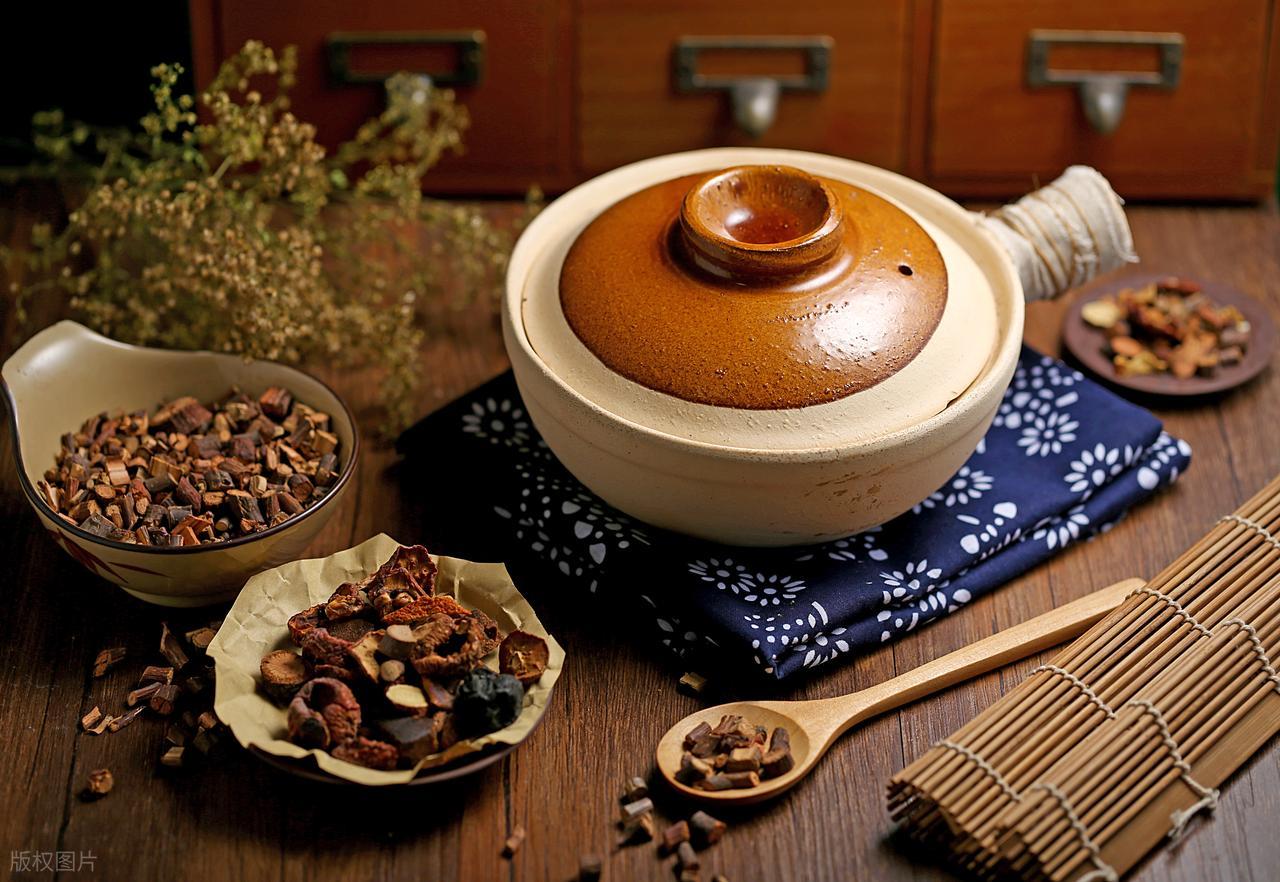
After a period of regulation, the patient returned for a follow-up, and the changes were remarkably evident. Her previously sallow complexion now had a healthy glow, and her liver fire was more regulated. She reported with a smile that she could now fall asleep normally when going to bed at night, her dreams had decreased, and she no longer woke up with palpitations in the morning. She also no longer woke up drenched in sweat as before, and her hands and feet felt much warmer. After further consolidation of the treatment, even her complaints of dizziness and forgetfulness disappeared.
The content is intended for educational purposes only. Traditional Chinese medicine emphasizes syndrome differentiation and treatment, with individualized prescriptions tailored to each person. As everyone's condition varies, approaches to regulation and treatment may differ. If you experience physical discomfort, it is best to seek diagnosis and guidance from a professional physician under the principle of syndrome differentiation!