In middle age, you must learn to nourish yin! A single Guishao Dihuang can also help regulate these several conditions
In Traditional Chinese Medicine theory, it is said: "At forty, the yin qi declines by half." Many friends over 40 often feel listless? Either tossing and turning at night unable to sleep, with a dry mouth that keeps making you want to drink water; or experiencing heel pain, with eyes feeling dry and tired after just a short while of looking at a phone or reading. Don't always think that getting old just means dealing with these things; in fact, it's mostly because the yin fluids of our liver and kidneys are insufficient.
After the age of 40, the yin fluids used by the liver and kidneys to nourish the body gradually decrease. If not replenished in time, these minor ailments will appear. Therefore, it is really crucial for middle-aged friends to learn how to nourish yin and regulate the liver and kidneys. To address this situation, there is a commonly used medicine called Guishao Dihuang Wan. It is based on the well-known Liuwei Dihuang formula, but adds two additional herbs: Dang Gui (Chinese Angelica) and Bai Shao (White Peony Root).
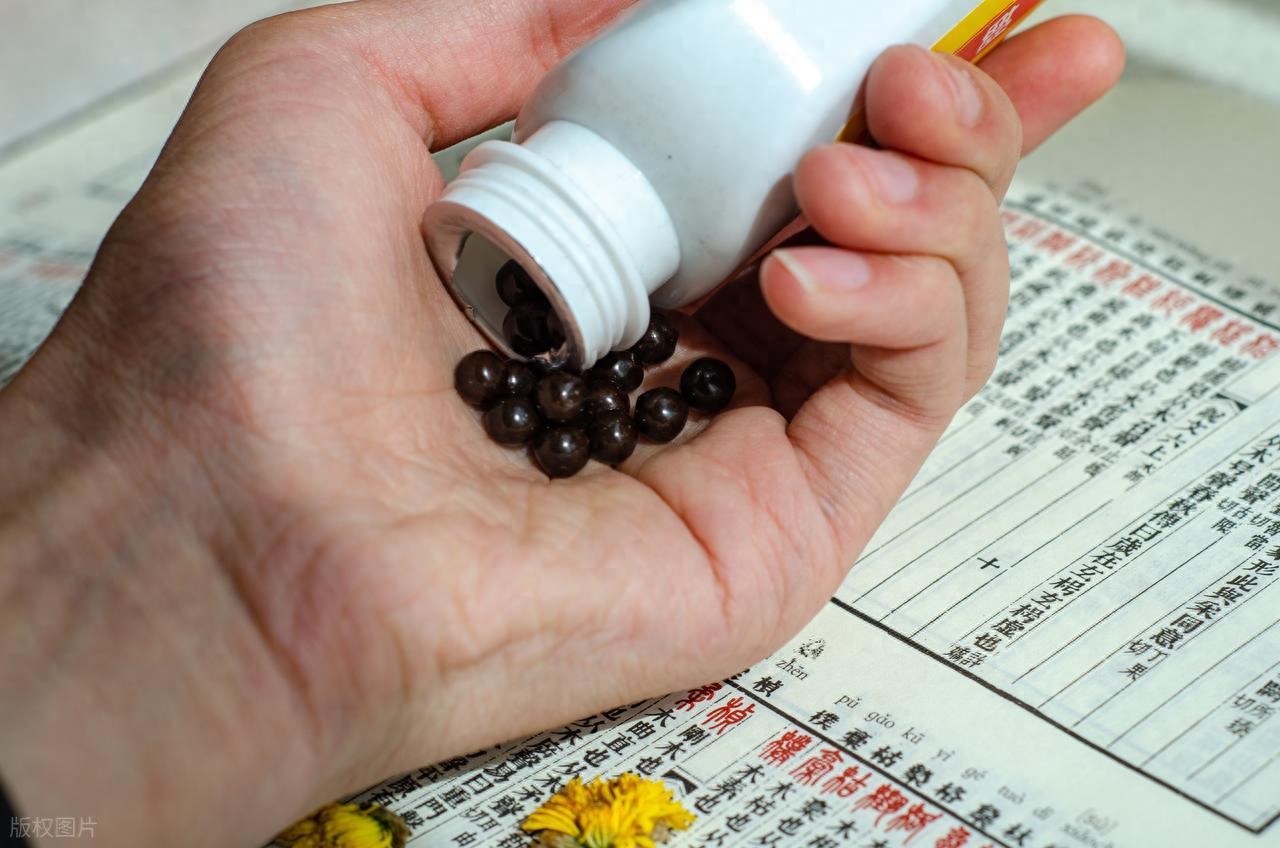
Don't underestimate these two herbs. Dang Gui (Chinese Angelica) can tonify qi and blood, while Bai Shao (White Peony) can soften the liver. When added to the formula, it not only nourishes the yin of the liver and kidneys but also supplements qi and blood, clearing away deficient heat in the body. Used correctly, it can help regulate several common issues that middle-aged individuals often face.
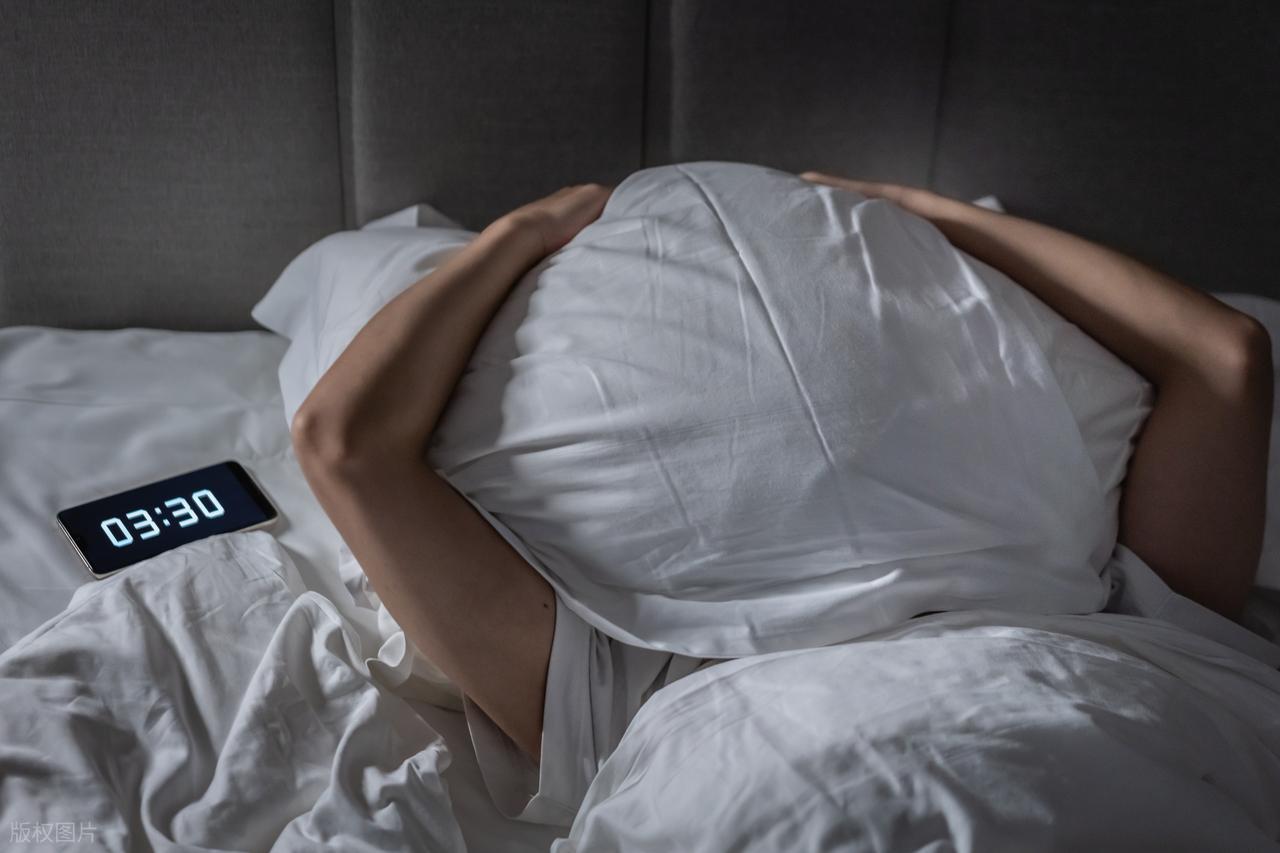
Let's first talk about insomnia. Many people lie awake for hours at night, struggle to fall asleep, and even when they do, they often have restless dreams. They may also experience dry mouth, irritability, warm palms and soles, and soreness in the waist and legs. Don't simply attribute this to stress or aging-related sleep reduction—this is often due to liver and kidney yin deficiency, with internal deficient heat disturbing the heart and mind, leading to poor sleep quality.
Some people frequently complain of heel pain, especially when stepping on the floor in the morning, causing them to grimace in pain, which only subsides after walking a few steps. Traditional Chinese Medicine holds that the liver governs tendons and the kidneys govern bones. Our tendons and bones rely on the yin fluids of the liver and kidneys for nourishment. If yin fluids are insufficient, tendons and bones lack nourishment, leading to conditions like heel pain and weakness in the legs and feet.
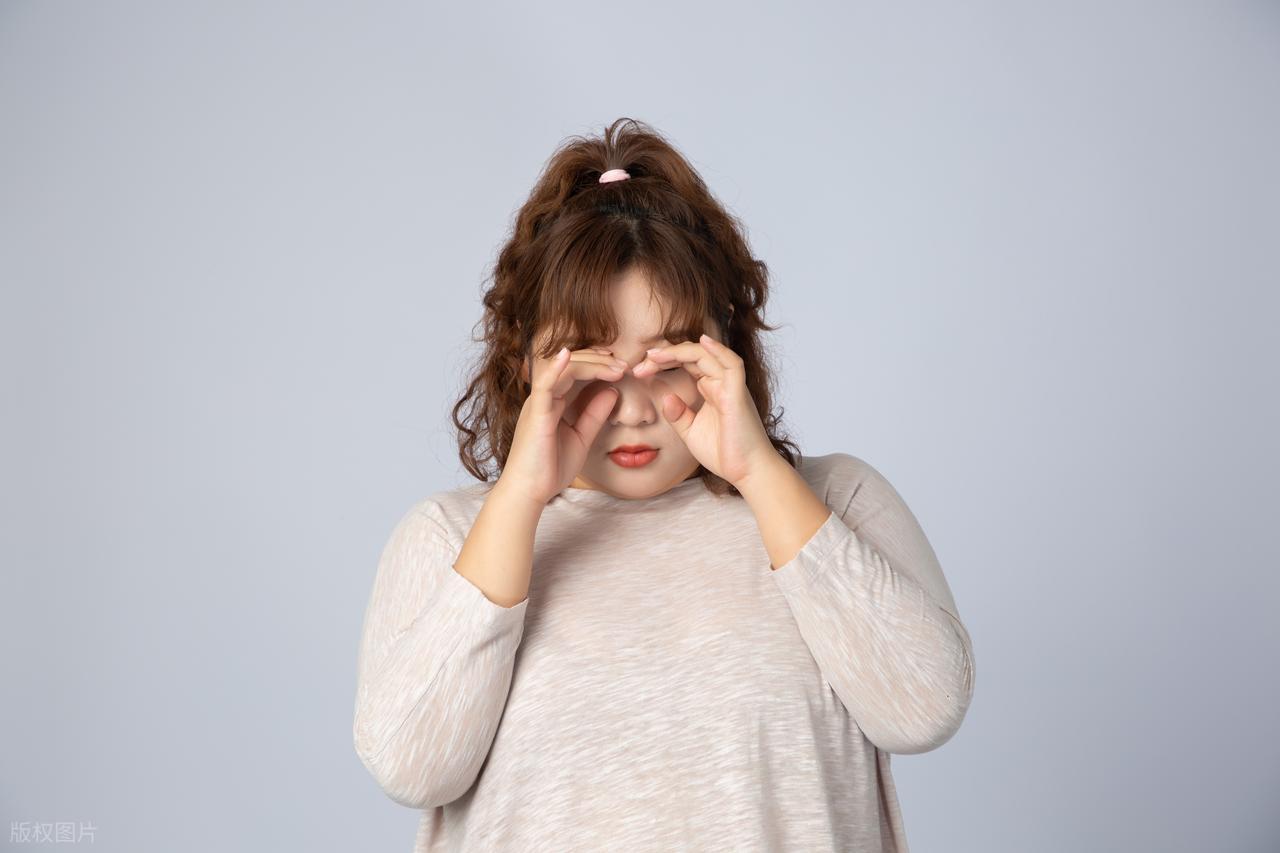
Now, let's discuss eye issues. Nowadays, people often spend time on their phones, and middle-aged individuals may experience dry, gritty eyes, blurred vision, and even tearing when exposed to wind after just a short while. This may also be related to liver and kidney insufficiency. In Traditional Chinese Medicine, the liver opens into the eyes, and the kidney's essence also nourishes the eyes. If the yin fluids of the liver and kidneys are deficient, the eyes lack moisture, naturally leading to discomfort.
If you also experience any of the above conditions, you may consider using *Gui Shao Di Huang* for regulation. However, one crucial point must be kept in mind: not all middle-aged ailments can be addressed with it. It is essential to first clarify whether you genuinely suffer from dual deficiency of the liver and kidneys with yin deficiency and blood insufficiency. Avoid blind medication to prevent unfavorable outcomes.
This content is for educational purposes only. Traditional Chinese medicine emphasizes syndrome differentiation and tailored treatment, as each individual’s constitution varies, and suitable regulation methods differ accordingly. If you are uncertain about your condition, it is advisable to consult a professional TCM practitioner to avoid inappropriate medication and delay in treatment!