Lesser yang energy, more phlegm-dampness! A formula to help you replenish yang energy, resolve phlegm, and dispel dampness!
Have you ever experienced this situation? Waking up in the morning with phlegm always sticking in your throat, which is clear or sticky when coughed up, accompanied by a heavy feeling in the body, feeling tired and lacking energy even without doing any heavy work? Why is this? In fact, this condition may be related to a deficiency of yang energy in your body.
Yang energy is like a little sun inside the body, capable of promoting the circulation of qi and blood throughout the body and expelling excess water-dampness. If yang energy is insufficient, the metabolism of water fluids in the body slows down, which over time transforms into phlegm-dampness. More troublesome is that phlegm-dampness is yin in nature and can conversely damage yang energy. The more phlegm-dampness there is, the more yang energy tends to become deficient; the more deficient yang energy becomes, the harder it is to expel phlegm-dampness, thus creating a vicious cycle.

Where does phlegm-dampness actually come from? In Traditional Chinese Medicine, it's mostly tied to the spleen. The spleen governs transformation and transportation—if spleen yang qi is insufficient, this "cleaner" lacks the strength to do its job. Dampness accumulates, gradually turning into phlegm. That's why some people often feel no appetite, experience abdominal bloating after eating a little, and have loose, poorly-formed stools. This is the spleen yang deficiency acting up.
To resolve phlegm-dampness, the key is to tonify yang qi. If you usually have poor digestion, no appetite for anything, indigestion, often feel a cold sensation in the abdomen, constantly have cold hands and feet, feel heavy and sluggish in the body, and have poorly-formed stools, among other symptoms, it's likely phlegm-dampness caused by spleen yang deficiency.

For this condition, let me share a formula—Er Chen Tang (Two Matured Substances Decoction). It contains just four herbs: Chenpi (Citrus Peel), Banxia (Pinellia), Fuling (Poria), and Gancao (Licorice). They are common herbs, but when used effectively, they can resolve our troubles quite well.
Chenpi, though ordinary, can invigorate the spleen and stomach, expel phlegm-dampness, and regulate qi movement, allowing the qi in the body to flow smoothly. Banxia can transform sticky, stubborn phlegm-dampness and stop vomiting—if you have excessive phlegm accompanied by nausea, it comes in handy. Fuling is excellent for fortifying the spleen, helping it to drain dampness, thus reducing phlegm-dampness at its root. As for Gancao, it can both tonify spleen qi and harmonize the other herbs.
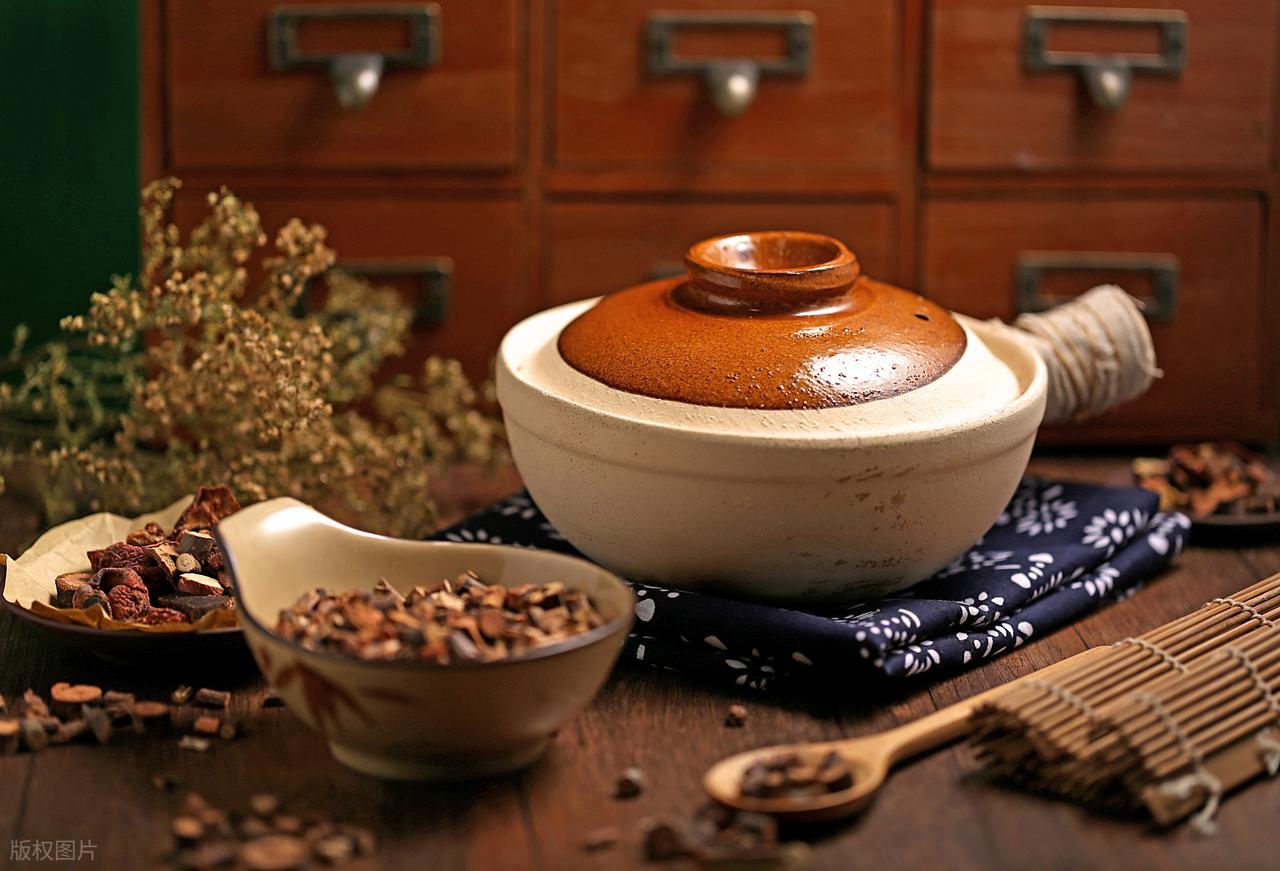
These four herbs work together to restore strength to the spleen and stomach, gradually breaking down phlegm-dampness. Once the qi mechanism in the body flows smoothly, symptoms like excessive phlegm, fatigue, and poor appetite will naturally improve over time.
However, it's important to remember that everyone’s condition is unique. If symptoms are severe or accompanied by other discomforts, it’s best to consult a professional TCM practitioner for personalized adjustments to the formula. The content in this article is for educational purposes only and should not be used as a basis for diagnosis or treatment!