Spleen and heart dual deficiency with poor qi and blood? A small pill nourishes the heart and spleen, cultivates qi and blood, and builds a healthy body!
Recently, many people have come for consultations, some saying they always feel heavy and weak all over, lacking interest in whatever they do. Others say they toss and turn in bed at night, unable to fall asleep, and even when they finally do, they wake up easily.
Some people not only have the above problems but also have no appetite for eating. They pick up a bowl, take a few bites, and then don’t want to touch their chopsticks anymore. If they force themselves to eat a little more, their stomach feels bloated as if stuffed with a balloon. Actually, most of these situations are caused by dual deficiency of the heart and spleen, and insufficient qi and blood.
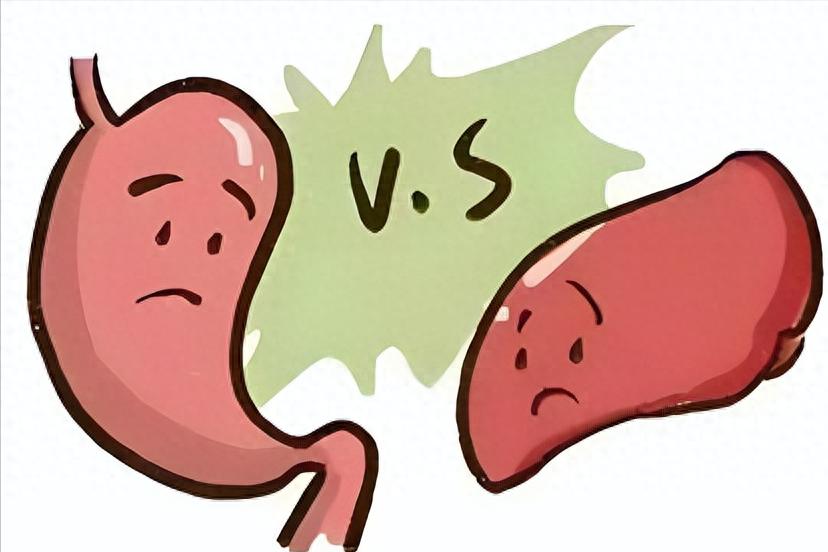
From a Traditional Chinese Medicine perspective, the heart and spleen are the two key organs responsible for managing qi and blood.
The heart is like the body’s “blood-pumping power station.” It needs sufficient blood nourishment to function properly. With enough blood supply, a person feels energetic and can sleep soundly through the night. Moreover, blood and qi are interconnected. Blood carries qi, so when blood circulates smoothly, qi naturally becomes sufficient.
The spleen, on the other hand, is the “production factory for qi and blood.” The rice and vegetables we eat rely entirely on the spleen to convert them into qi and blood, which are then delivered to various parts of the body. If the spleen’s function weakens, the production of qi and blood cannot keep up. Without this “fuel,” the body naturally becomes prone to fatigue, lack of energy, and digestive issues, such as loss of appetite and bloating after eating a little.
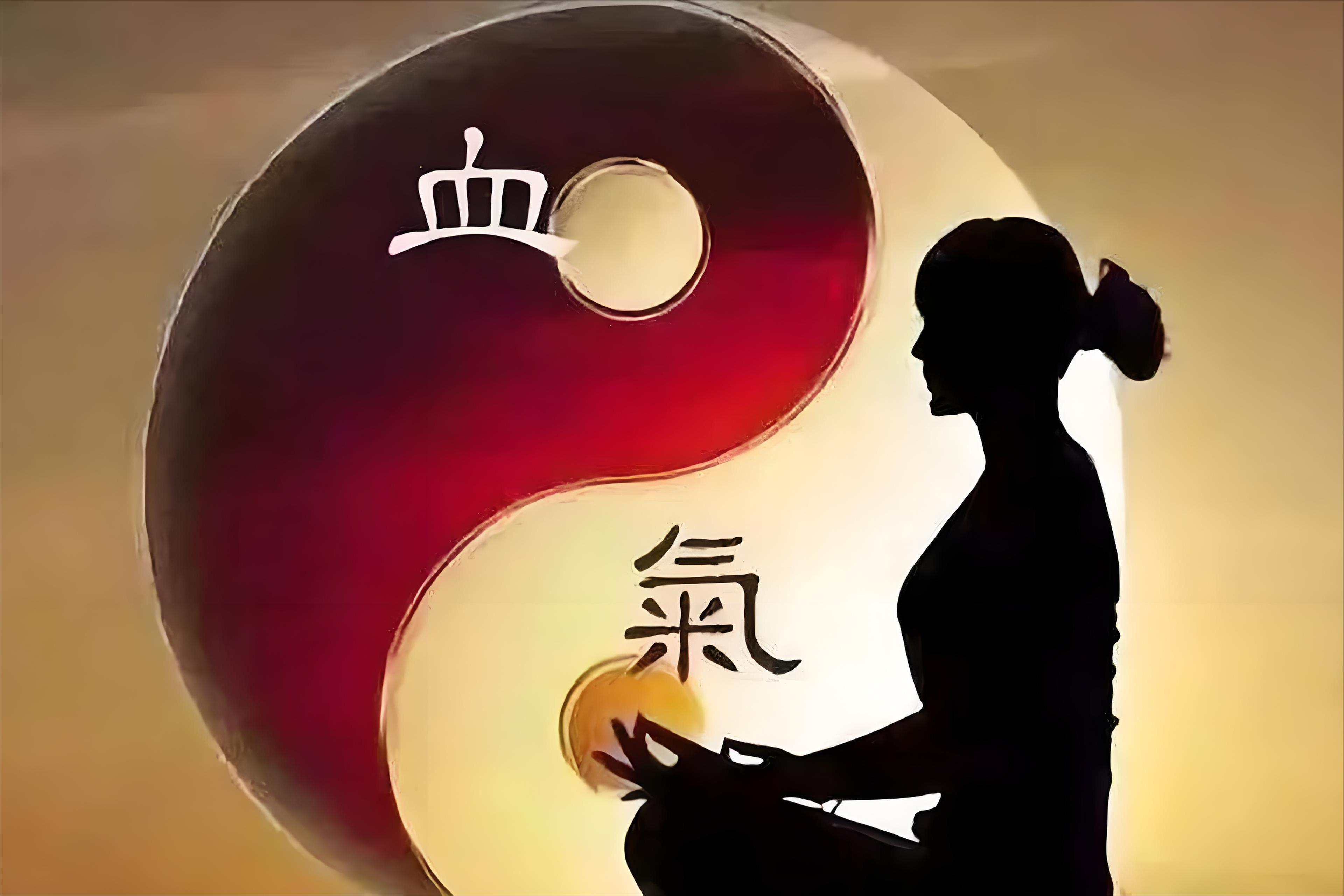
For this condition of heart and spleen dual deficiency with insufficient qi and blood, there's a highly targeted Chinese patent medicine: Renshen Yangrong Wan.
It is formulated with 12 traditional Chinese medicinal ingredients, and its approach to regulation is particularly comprehensive. Let's break it down to understand
First, let's examine four key ingredients: ginseng, white atractylodes, poria, and licorice. These four herbs form the "ace combination" for replenishing qi, commonly known as Si Jun Zi Tang (Four Gentlemen Decoction). Their function is straightforward: they replenish the body’s depleted qi, directly addressing issues such as fatigue and lack of energy caused by qi deficiency.
Next, look at Rehmanniae Radix Praeparata, Angelicae Sinensis Radix, and Paeoniae Radix Alba—these three herbs form the foundation of Si Wu Tang, the "basic formula" for nourishing blood. However, in the original Si Wu Tang, there is one ingredient called Chuanxiong Rhizoma, which has a relatively "active" nature. For those with particularly deficient qi and blood, this might be somewhat burdensome, so it is replaced here with Citri Reticulatae Pericarpium. Citri Reticulatae Pericarpium acts like a "lubricant" for the nourishing herbs; it also awakens the spleen and stomach, helping to better digest and absorb the nutrients provided by the tonic.

These eight herbs combined can gradually replenish qi and blood within the body. On this foundation, Astragalus (Huangqi) and cinnamon (Rougui) are added: Astragalus further enhances the effect of boosting qi, while cinnamon can supplement a bit of yang energy, giving qi and blood more momentum in their circulation.
The formula also includes Polygala tenuifolia and Schisandra chinensis. Polygala tenuifolia specifically helps to nourish the heart and calm the spirit, while Schisandra chinensis can gather scattered heart qi, alleviating mental fatigue, anxiety, and feelings of panic.
Combining all these herbs together can simultaneously tonify the qi and blood of both the heart and spleen, allowing the body's deficiencies to gradually be restored.
That concludes today's sharing. The above content is for reference only. If you experience any discomfort, please seek timely medical attention offline!