Wrongly Toning Kidney Yin Means Wasted Effort! Liuwei Dihuang Pills vs. Zuogui Pills - Understand the Differences Clearly Before Taking Them to Avoid Pitfalls!
During consultations, patients often ask: "Lately, I've been experiencing frequent soreness and weakness in the lower back and knees, low energy, dizziness, poor memory, excessive dreaming, and easy waking. It's clearly kidney yin deficiency, and I want to nourish yin and tonify the kidneys. Should I choose Liuwei Dihuang Pills or Zuogui Pills?" Although both are classic formulas for nourishing yin and tonifying the kidneys, their applicable scenarios differ significantly. Today, I'll explain them clearly in simple terms!
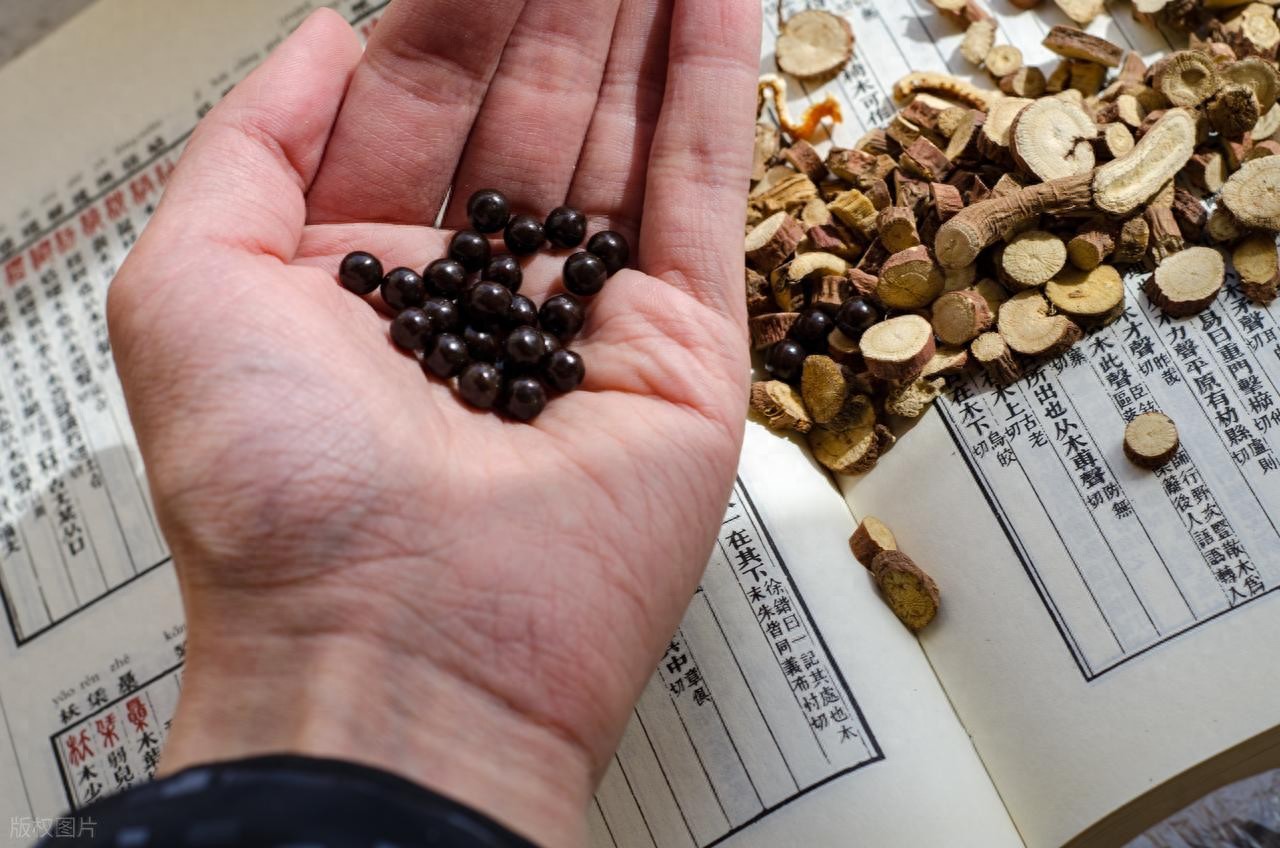
Liuwei Dihuang Pills are composed of six medicinal herbs, including Rehmannia Glutinosa (Shu Dihuang), Cornus Officinalis (Shanzhuyu), and Chinese Yam (Shanyao). The core combination is "three tonifying and three draining": Rehmannia Glutinosa specifically targets kidney yin, Cornus Officinalis addresses both liver and kidney yin, and Chinese Yam strengthens the spleen to aid transportation and nourish kidney essence—these three herbs emphasize "tonification," achieving simultaneous tonification of the liver, spleen, and kidney yin. They are paired with Alisma (Zexie) to clear kidney turbidity, Moutan Bark (Danpi) to clear deficiency heat, and Poria (Fuling) to strengthen the spleen and promote diuresis—these three herbs emphasize "draining," preventing the tonifying herbs from causing greasiness or hindering stomach function, while also specifically addressing the issue of internal heat generated by yin deficiency. Its tonifying effect is gentle, incorporating draining within tonification. It is suitable for individuals in the early stage of kidney yin deficiency, accompanied by symptoms such as tidal fever, night sweats, irritability, and a tendency to get angry easily—signs of deficiency fire hyperactivity.
Zuogui Wan is derived from the modification of Liuwei Dihuang Wan, following the principle of "tonifying yin without promoting diuresis or purgation." It removes the three "draining herbs"—Alisma, Poria, and Moutan—while adding Chinese Wolfberry, Tortoise Shell Glue, and Sichuan Cyathula to enhance the effect of nourishing kidney yin. Additionally, it includes Deer Antler Glue and Cuscuta, which tonify yang to nourish yin through the concept of "seeking yin within yang." The entire formula focuses solely on tonification without any draining effects, making its tonifying action potent and vigorous. It is more suitable for cases of genuine yin deficiency with severe depletion of essence and marrow, such as dry mouth and tongue, spontaneous sweating or night sweats, seminal emission or spermatorrhea, or patients with long-standing kidney yin deficiency that has damaged yang and is accompanied by qi and blood deficiency.
In summary: Liuwei Dihuang Wan is suitable for early-stage kidney yin deficiency accompanied by deficient fire, tonifying without causing stagnation. Zuogui Wan is suitable for more severe kidney yin deficiency and essence-marrow depletion, focusing solely on vigorous tonification. Neither is superior to the other; the key lies in targeting the specific condition. I remind everyone not to self-medicate blindly. Friends in need can send a photo of their tongue, and after I differentiate the syndrome for you, medication can be taken under professional guidance, ensuring both safety and effectiveness.