Worried about supplementing kidney yin deficiency wrong and causing heat? The famous formula Zuogui Pills, nourishes yin without being cloying, sweeping away insomnia and night sweats in one go!
Kidney yin is like the body's "cooling fluid", nourishing the internal organs and bones, tendons, and muscles, and keeping the mind clear. In youth, when kidney yin is sufficient, people are energetic and think quickly. However, with age, or due to long-term fatigue, staying up late, or illness, kidney yin gradually depletes, just like land cracking due to lack of water. Issues like lower back and leg weakness, memory decline, dizziness, tinnitus, insomnia, and night sweats all follow.
Many people want to supplement kidney yin deficiency but are afraid of supplementing incorrectly and causing internal heat? Actually, finding the right formula is key! Today, I’ll share with you the classic famous formula from the great Ming Dynasty physician Zhang Jingyue's "Complete Works of Jingyue" — Zuogui Pills, which is a "master of nourishing yin" modified from the Liuwei Dihuang Pills.
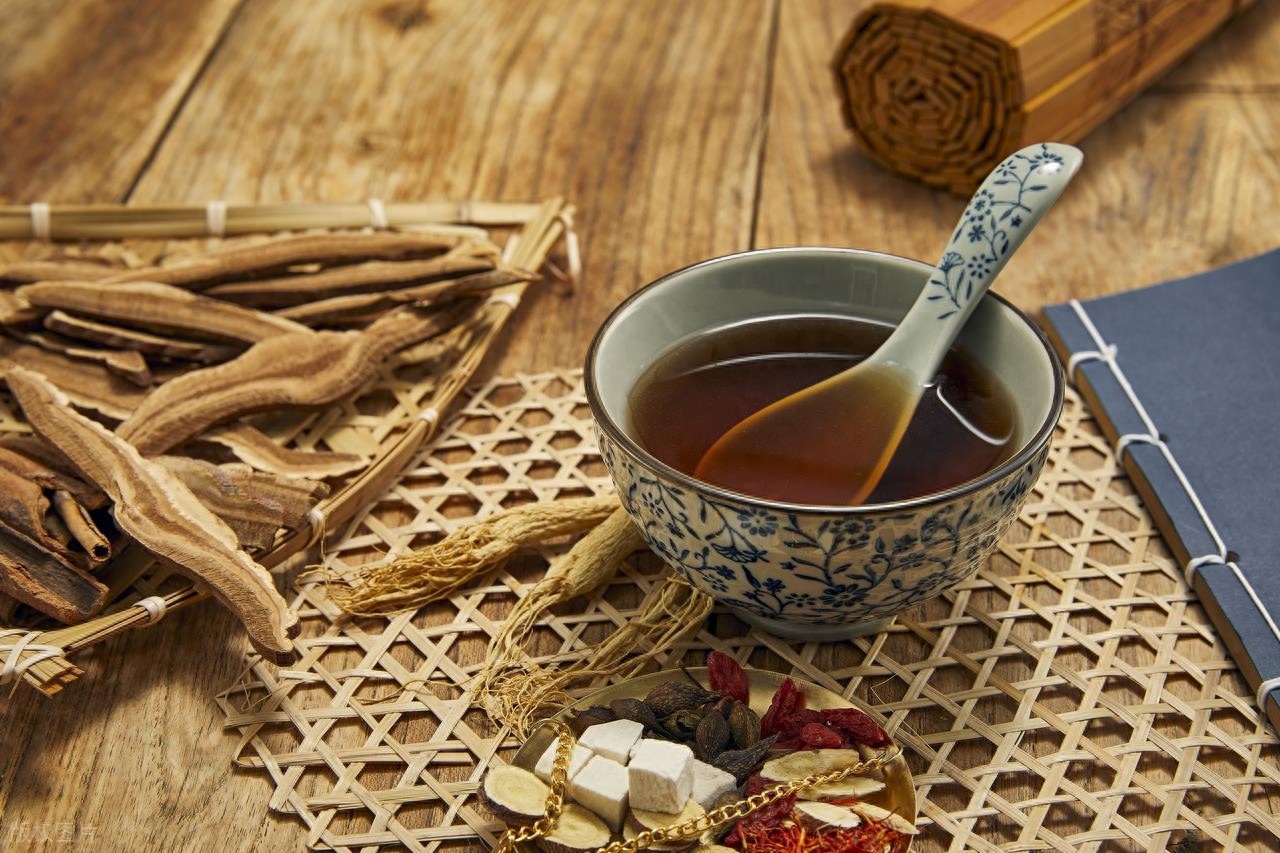
According to traditional Chinese medicine, "the left side relates to yin, and the right side relates to yang." The name of this formula includes "left," indicating it is specifically tailored for individuals with kidney yin deficiency. Its core function is to nourish kidney yin and replenish essence and blood, and when used correctly, there is no need to worry about excessive heat symptoms.
It is suitable for women who frequently stay up late, experience menopausal hot flashes and night sweats, those recovering from serious illnesses with weakened constitutions, and the elderly. If you often experience soreness and weakness in the lower back and legs, dizziness, tinnitus, insomnia, dry mouth, night sweats, or warm palms—or if men experience nocturnal emissions and women have scanty menstrual flow—and your tongue appears red with little coating, it is likely kidney yin deficiency, for which this formula is well-suited.
Zhang Jingyue believed that nourishing the kidneys requires differentiation: yang deficiency requires warming yang, while yin deficiency requires nourishing essence specifically. Therefore, he removed the heat-clearing components from the Liuwei Dihuang Wan and specifically added a variety of herbs to replenish essence and blood, making the yin-nourishing effects purer and more powerful.
The main ingredient, Rehmannia glutinosa (shu di huang), is used in the largest quantity. It has a sweet taste, warm nature, and moistening texture, deeply penetrating the liver and kidneys to replenish bone marrow and essence-blood, making it the core of kidney yin deficiency regulation. Lycium barbarum (gou qi zi) has a neutral nature, nourishes the liver and kidneys, benefits essence and blood, and brightens the eyes. Cornus officinalis (shan zhu yu) is slightly sour, nourishes liver and kidney yin, and "locks in" nutrients to prevent the dissipation of yin essence.
Yam is sweet and neutral in nature, benefiting the spleen, lungs, and kidneys, both assisting Rehmannia in tonifying the kidneys and invigorating the spleen and stomach, while alleviating the cloying effects of tonic herbs. Tortoise shell glue and deer antler glue are a "golden pair," adhering to the principle of "seeking tonifying yin through yang." One is cool, the other warm, nourishing yin without causing coldness or greasiness.
Chuan Niu Xi acts as a "guide," leading the medicine directly to the waist and kidneys, while also preventing dampness accumulation; Tu Si Zi has a gentle nature, providing balanced supplementation of yin and yang, making it particularly suitable for soreness and weakness in the waist and knees, as well as blurred vision.