Stop Reckless Tonification for Spleen-Stomach Weakness! 90% of People Are Wrong. Raising Yang Is the True Solution!
When encountering spleen-stomach issues like stomach bloating, diarrhea, or loss of appetite, most people's first instinct is "tonification"—chinese yam, jujubes, lotus seeds make their rounds, and millet porridge becomes a staple at every meal. However, even after prolonged tonification, the symptoms often worsen. This is because the key to regulating the spleen and stomach is not "supplementing nutrients" but raising spleen yang and boosting its function.
A core theory in Traditional Chinese Medicine states: "The spleen governs the ascending of the clear, while the stomach governs the descending of the turbid." The spleen acts like the body's "porter," responsible for transporting the refined nutrients from food upward to the five zang and six fu organs. The stomach, on the other hand, serves as the "remover," propelling the waste after digestion downward for elimination. The harmonious cooperation of the spleen ascending and the stomach descending ensures the normal operation of digestion and absorption.
The "ascending clear" function of the spleen relies entirely on the warming and motivating power of spleen yang. It is just like when the stove fire is insufficient, the food in the pot will never cook properly. When spleen yang is deficient, the transport and transformation functions of the spleen and stomach will "go on strike." At this point, blindly supplementing is akin to forcibly stuffing firewood into a nearly extinguished stove. Not only will it fail to ignite, but it will also clog the stove, exacerbating problems such as bloating, constipation, and a thick, greasy tongue coating. As early as recorded in the *Su Wen·Yin Yang Ying Xiang Da Lun*: "When clear qi descends, it gives rise to undigested diarrhea," which refers precisely to the issue of diarrhea caused by spleen yang deficiency and the sinking of clear qi.
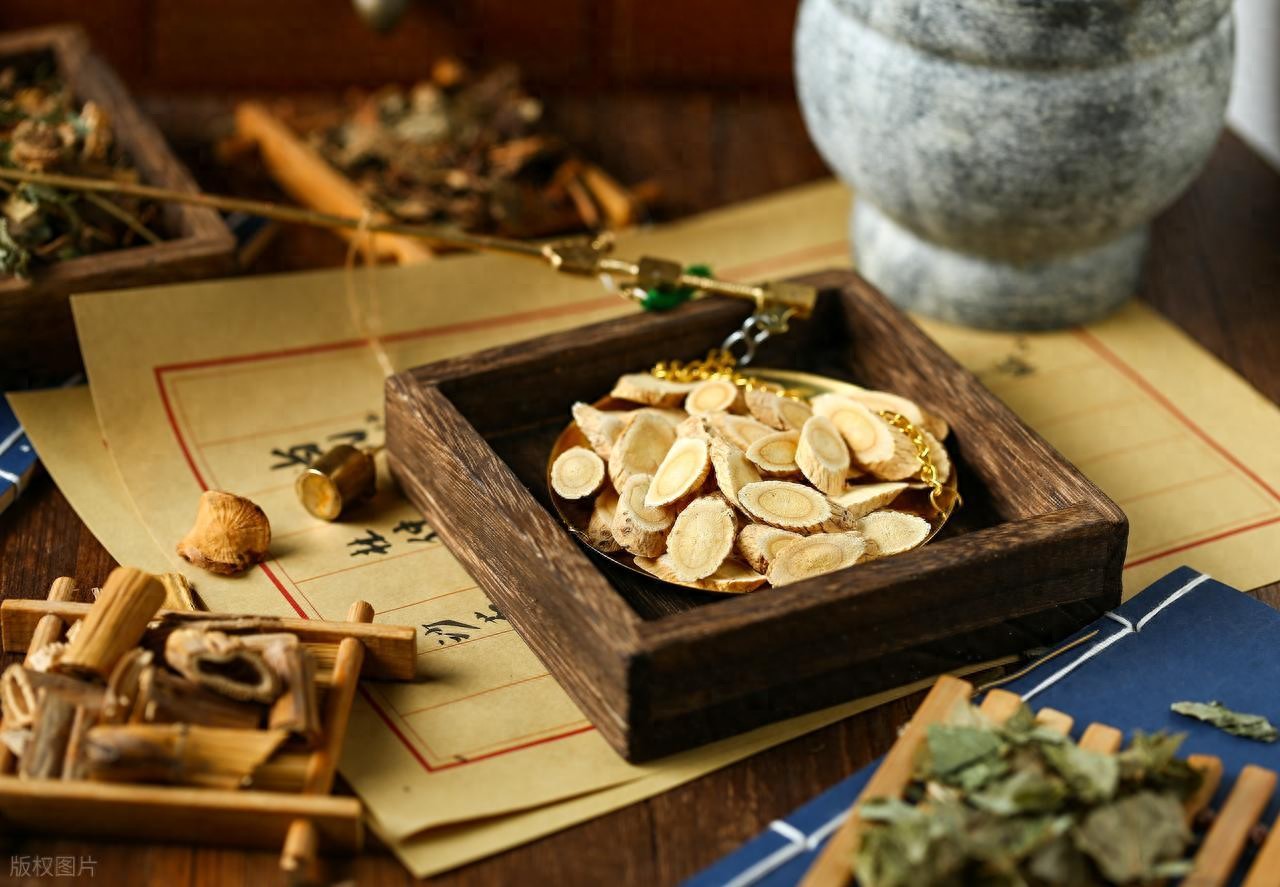
For this condition, the classic Chinese patent medicine Lizhong Wan is most appropriate. Originating from the *Shang Han Lun*, its seemingly simple formula of four herbs conceals profound wisdom in its combination: dried ginger warms the middle and dispels cold, acting like adding fire to the spleen and stomach, directly invigorating spleen yang; ginseng supplements the qi of the spleen and lungs, providing energy for the "transport workers"; atractylodes macrocephala dries dampness and fortifies the spleen, helping the spleen and stomach clear obstacles of dampness; licorice harmonizes the properties of the herbs and also supplements the middle and boosts qi. The synergistic action of these four herbs employs both warming supplementation and yang ascension, specifically treating symptoms such as cold pain in the epigastrium and abdomen, vomiting and diarrhea, cold hands and feet, and a pale tongue with a white coating, which are caused by spleen-stomach deficiency cold.
Depending on the severity of symptoms, Lizhong Wan has several "symptom-specific siblings": Fuzi Lizhong Wan adds the acrid-hot aconite, enhancing its warming-yang power, making it suitable for severe spleen-stomach deficiency cold with intense abdominal pain and persistent diarrhea; Guifu Lizhong Wan further adds cinnamon bark, concurrently supplementing kidney yang, making it suitable for those with spleen-stomach deficiency cold accompanied by soreness and weakness of the lower back and knees.
Effective spleen and stomach regulation requires finding the right direction. Stop blindly supplementing. Properly ascending spleen yang will naturally lead to robust spleen and stomach function.