Don't Just Endure Chest Tightness and Abdominal Distension! Take Muxiang Shunqi Pills Once to Completely Eliminate Dampness and Turbid Qi, Leaving Your Entire Body Feeling Clear and Open!
Many people often feel chest tightness, abdominal distension, belching, and nausea. This is actually caused by the "disruption" of poor Qi movement. In Traditional Chinese Medicine (TCM), there are two main reasons for abnormal Qi movement: one is the well-known liver Qi stagnation, and the other is the easily overlooked obstruction by dampness pathogens.
The liver governs free flow and is responsible for regulating the movement of Qi throughout the body. Once emotions become stagnant, liver Qi gets "blocked," directly leading to Qi stagnation and discomfort. Most modern people have excessive dampness internally. Dampness pathogens are heavy, turbid, sticky, and greasy, obstructing the movement of Qi like silt, preventing spleen Qi from ascending and stomach Qi from descending. What's worse is that while dampness encumbers the spleen and stomach, coupled with emotional fluctuations, Qi stagnation becomes even more severe, ultimately creating a situation of "Qi stagnation causing discomfort and disharmony between the liver and stomach."
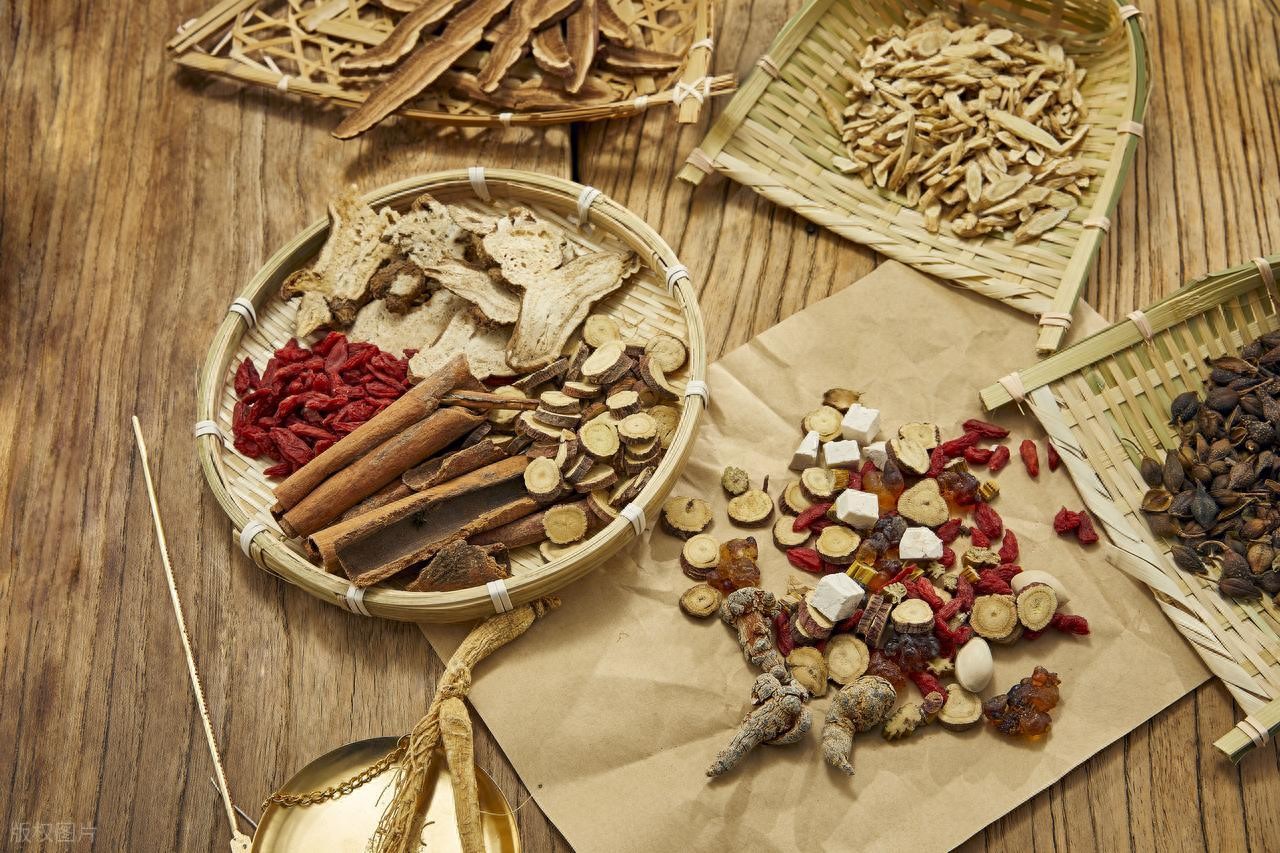
The spleen prefers dryness and dislikes dampness, and it is most susceptible to invasion by damp pathogenic factors. When dampness lingers in the spleen and stomach in the middle jiao, coupled with liver qi attacking the stomach, symptoms such as chest and diaphragm fullness, abdominal distension and pain, nausea and vomiting, loss of appetite, and frequent belching may occur.
To resolve such discomfort, there is a common and effective Chinese patent medicine — Muxiang Shunqi Wan (Costusroot Qi-Regulating Pill). It is derived from the Muxiang Shunqi San (Costusroot Qi-Regulating Powder) from "Zhengzhi Zhunsheng · Lei Fang" (Standards for Diagnosis and Treatment · Categorized Formulas). Just by looking at the term "Shunqi" (regulating qi), it is clear that its core function is to harmonize the qi mechanism and unblock stagnation.
This medication specifically targets issues caused by damp-turbidity obstructing the qi mechanism, capable of both moving qi and resolving dampness. The formula is ingeniously composed and can be described as a "qi mechanism unblocking team":
The main force for moving qi: Muxiang (Costusroot) can regulate the qi of the triple jiao — from the heart and lungs above, the spleen and stomach in the middle, to the bladder below. Its warm nature is particularly effective for qi stagnation caused by cold-dampness. Qingpi (Green Tangerine Peel) acts like a "hammer," capable of breaking up stubborn qi knots. Zhiqiao (Bitter Orange) regulates the qi in the chest and ribs, Houpo (Magnolia Bark) unblocks abdominal qi stagnation, and Binglang (Areca Nut) is responsible for expelling turbid qi from the gastrointestinal tract downwards. Xiangfu (Cyperus Rhizome) specifically targets liver depression and qi stagnation, helping to "loosen" emotional tension.
Dampness-Relief Assistant: Tangerine Peel and Atractylodes Macrocephala work together to dry dampness and strengthen the spleen, completely expelling dampness from the spleen and stomach.
Spleen-Strengthening Finisher: Amomum Villosum awakens the spleen with its aromatic properties, revitalizing the spleen and stomach that are overwhelmed by dampness and restoring their transformative functions; while prepared licorice harmonizes all the herbs in the formula, making the overall medicinal properties more balanced.
Once the blockage in the middle jiao is cleared, the flow of qi in the upper, middle, and lower jiao naturally becomes smooth. Therefore, Muxiang Shunqi Pills not only regulate the spleen and stomach but also comprehensively unblock the qi circulation throughout the body, helping you eliminate chest tightness and abdominal distension, and restoring a state of comfort.