Poor Qi and Blood, Easily Fatigued, Poor Sleep? Likely a Dual Deficiency of Heart and Spleen! Guipi Tang Nourishes Heart and Spleen, and Qi and Blood Naturally Become Sufficient
Poor Qi and Blood, Easily Fatigued, Poor Sleep? Likely a Dual Deficiency of Heart and Spleen! Guipi Tang Nourishes Heart and Spleen, and Qi and Blood Naturally Become Sufficient. Many people have such troubles: feeling exhausted without doing heavy labor, having difficulty sleeping at night, forgetfulness, a sallow complexion and pale lips, and palpitations with slight exertion. This is not simply physical weakness; it is most likely due to a dual deficiency of the heart and spleen!
Traditional Chinese Medicine believes that overthinking depletes heart qi, and overexertion damages spleen yang. The spleen is the source of qi and blood production, and the heart is the "pump" for qi and blood circulation. A dual deficiency of the heart and spleen leads to insufficiency of qi and blood, causing the symptoms mentioned above. In severe cases of spleen deficiency, symptoms like hematochezia (blood in stool) and epistaxis (nosebleed) may also occur, and women may experience metrorrhagia (abnormal uterine bleeding).
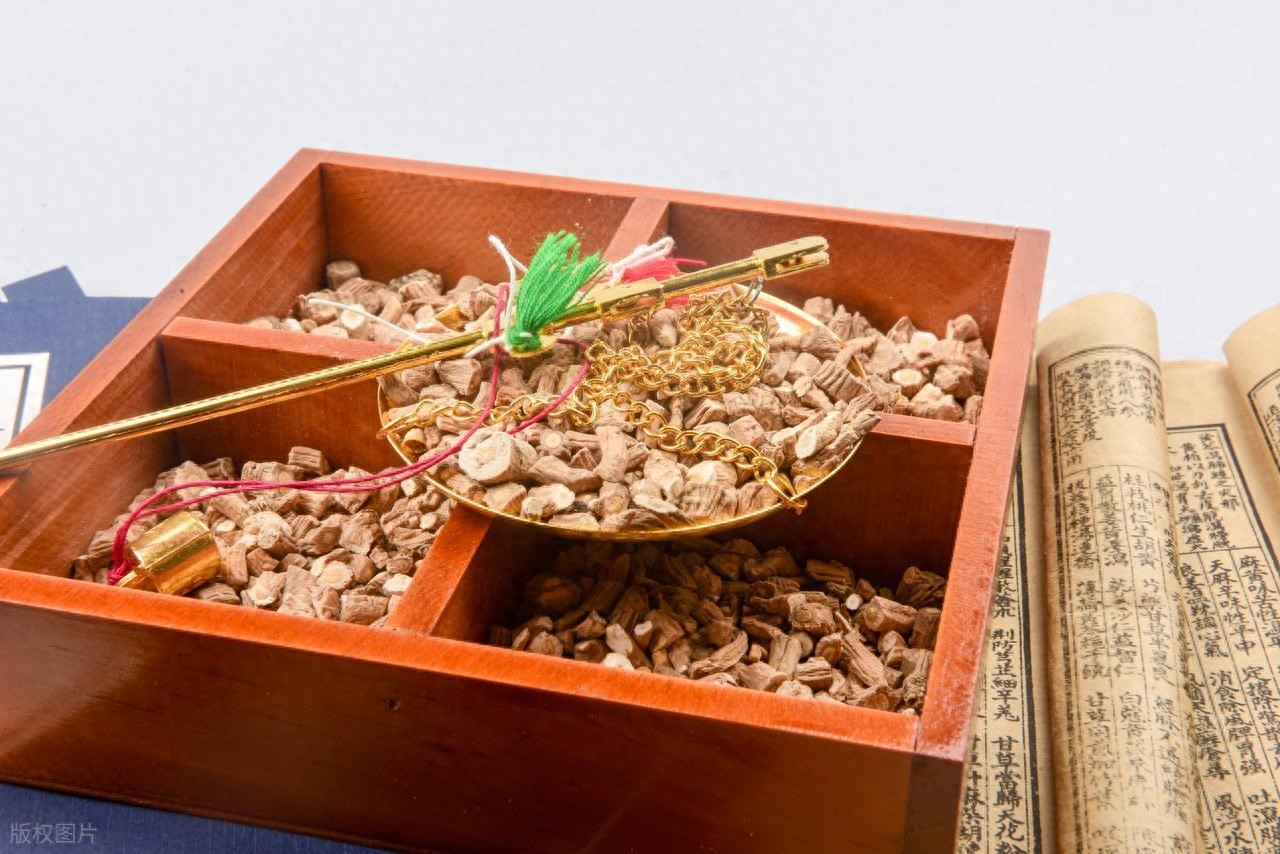
For this syndrome, the classic formula Guipi Tang is highly appropriate. Originating from *Yanshi Jisheng Fang*, its core functions are to nourish the heart and calm the spirit, strengthen the spleen, and replenish qi. It is suitable for symptoms such as excessive dreaming, spontaneous sweating, night sweats, and poor appetite caused by overthinking, mental exhaustion, or injury to the spleen, corresponding to manifestations such as a pale tongue with thin white coating and a fine, slow pulse.
The name Guipi Tang comes from its function of "guiding qi and blood back to the spleen," helping the spleen restore its transportation and transformation functions. The spleen and stomach are the foundation of qi and blood production. For those with blood deficiency, it is essential to first strengthen the spleen to ensure better absorption of blood-tonifying herbs.
The formulation logic is ingeniously divided into three main parts:
The first part strengthens the spleen and replenishes qi, combining "Sijunzi Tang" with Astragalus (Huangqi) to tonify the spleen and boost qi while consolidating and containing blood;
Second, it nourishes the heart and calms the mind: Polygala tenuifolia promotes communication between the heart and kidneys, Ziziphus spinosa calms the heart and mind, while longan and jujube nourish the blood of the heart and spleen.
Third, it replenishes blood and harmonizes the body: Angelica sinensis directly nourishes blood, and Aucklandia lappa regulates qi to prevent the nourishing herbs from causing stagnation, avoiding "deficiency unable to receive tonification," while also assisting in nourishing the heart.
Though Guipi Decoction is effective, it is not suitable for everyone. Precautions and contraindications should be noted when taking the medication:
During the medication period, avoid excessive worrying, staying up late, and overexertion. Maintain a light diet and avoid cold, greasy, and spicy foods to prevent impairing the spleen and stomach's functions.
Three types of individuals should exercise caution:
1. Individuals with Yin deficiency and internal heat (manifested as hot palms and soles, dry mouth and throat, etc.), as the warm and drying herbs in the formula may exacerbate symptoms;
2. Individuals with excessive internal damp-heat (manifested as bitter and sticky taste in the mouth, yellow and greasy tongue coating, etc.), as tonic herbs may hinder the expulsion of damp-heat;
3. Individuals with an excess heat syndrome (manifested as cold, fever, swollen and sore throat, etc.) should first clear heat and relieve the exterior before considering tonification, to avoid "locking the pathogen inside."
In summary, Guipi Tang is an effective remedy for the pattern of heart-spleen deficiency, but it must be applied based on pattern differentiation. If you experience the discomfort mentioned above, it is advisable to first consult a professional TCM practitioner for diagnosis before using, and avoid self-medicating without guidance.