Don’t Blindly Warm and Tonify Cold Hands and Feet! Danggui Sini Tang: Nourishes Blood, Unblocks Vessels, and Drives Out Bone-Chilling Cold!
Do you have cold hands and feet in air-conditioned rooms during summer, or feet that don't warm up even after sleeping all night in winter? You might also experience numbness in the fingers, stiff joints, or sores that appear when you get chilled? Many people mistake this for general body coldness and vigorously consume ginger soup or lamb for supplementation, but the effects are short-lived or even lead to internal heat. Have you had such ineffective warming and tonifying experiences? Share in the comments!
Actually, this is not simply a deficiency of yang qi, but rather the pattern of "blood deficiency with cold reversal" described by the Medical Sage Zhang Zhongjing. Danggui Sini Tang, designed specifically for this pattern, works both to nourish blood and unblock vessels simultaneously, driving out the bone-chilling cold from the root. It is fundamentally different from simple warming and tonifying.
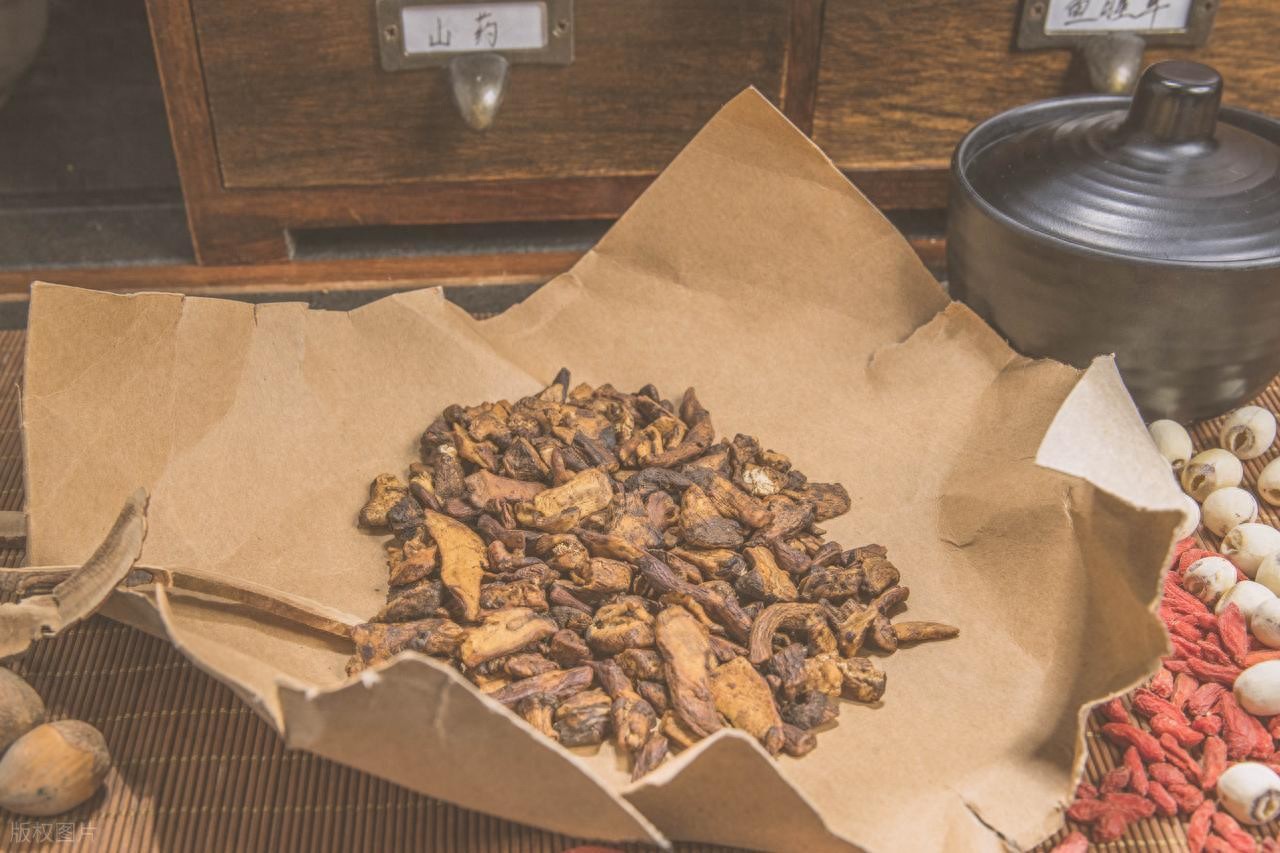
Danggui Sini Decoction is specifically indicated for the syndrome of blood deficiency with cold congealing in the channels. The following criteria can be used for differentiation: cold hands and feet extending beyond the wrists and ankles, no relief in summer, and ineffectiveness of adding clothing; pale tongue with a white coating; thin and weak pulse; or accompanied by cold pain, soreness, and distension in the waist, buttocks, legs, and feet.
The core of this syndrome is "blood deficiency as the root and cold congealing as the branch." Blood deficiency leads to insufficient warming and propelling functions of Qi, making it difficult for Qi and blood to reach the limbs; cold congealing in the channels obstructs the flow of Qi and blood, resulting in the principle of "obstruction leading to pain," causing coldness and pain. Its formation involves both internal and external factors: first, deficiency of nutritive blood, such as weakness of the spleen and stomach, long-term blood consumption, or emotional strain leading to hidden depletion; second, stagnation of cold pathogens, such as exposure to cold in winter or excessive indulgence in coolness in summer causing blood vessel contraction; third, liver dysfunction exacerbating blood stasis, with the three factors influencing one another.
The core function of Danggui Sini Decoction is to nourish blood and unblock the channels. The formula originates from the "Treatise on Cold Damage Disorders": "For cold hands and feet with a thin, nearly imperceptible pulse, Danggui Sini Decoction is prescribed." It consists of seven herbs, including Chinese Angelica (Danggui) and Cinnamon Twig (Guizhi). The sovereign herb, Chinese Angelica, nourishes blood, promotes blood circulation, and guides blood back to the channels. The minister herbs, Cinnamon Twig, warm and unblock Yang Qi to relieve cold pathogen constraints, and White Peony Root (Baishao), nourishes liver Yin and stores blood while moderating the dispersing nature of Cinnamon Twig. The assistant herbs, Asarum (Xixin), search and eliminate deep-seated cold pathogens, while Ricepaper Pith (Tongcao) unblocks the channels and expels damp turbidity. The envoy herbs, Jujube (Dazao) and Prepared Licorice Root (Zhigancao), tonify the spleen, nourish blood, and harmonize the properties of the formula.
Compared to Sini Decoction, which solely warms Yang, and Siwu Decoction, which solely nourishes blood, this formula achieves the goal of "nourishing blood without stagnating pathogens and warming and unblocking without damaging Yin." However, its usage contraindications are strict. It is prohibited for syndromes of excessive heat (such as body heat, restlessness, red tongue with a yellow coating, etc.), Yin deficiency with effulgent fire (such as vexing heat, night sweats, thin and rapid pulse, etc.), and internal accumulation of damp-heat (such as chest and epigastric fullness, yellow greasy tongue coating, etc.). It must be distinguished from Sini Decoction (indicated for severe Yang Qi exhaustion syndrome) and Sini Powder (indicated for liver Qi stagnation with Yang depression) to avoid misuse.
Furthermore, asarum must be strictly controlled in dosage and decocted for a long time to reduce toxicity. Lastly, it should be emphasized that this product must be used under the guidance of a professional physician, with the core indications being "coldness in the hands and feet and faint, almost imperceptible pulse." Blind application without proper syndrome differentiation may worsen the condition.