A single prescription can regulate and tonify the heart and kidneys, nourish kidney water, reduce heart fire, bringing overall smoothness and balance to the entire body!
As people reach middle age, many encounter the awkward situation of "heat above and cold below": symptoms such as irritability, insomnia, five-center heat (heat in palms, soles, and chest), and a tendency to get angry in the upper body, while the lower body experiences coldness in the waist and knees, abdominal coldness, and diarrhea. This is actually a manifestation of heart-kidney imbalance and yin-yang disharmony. In traditional Chinese medicine, the Kan Li Ji Ji Wan (Congealing the Pill of Communication between Water and Fire) is a classic formula specifically designed to address this issue. Its core efficacy lies in nourishing kidney water and reducing heart fire, helping the body return to a balanced state of "clarity above and warmth below."
This formula originates from the Qing Dynasty medical text "Shen Shi Zun Sheng Shu." "Kan" corresponds to kidney water, while "Li" corresponds to heart fire. The name itself implies the therapeutic logic of "using water to reduce fire and promoting communication between the heart and kidneys." It is specifically tailored to address hyperactivity of yang due to yin deficiency caused by insufficient kidney water. Beyond the symptoms mentioned above, it is also applicable to conditions like night sweats, seminal emission, and morning diarrhea. Everyone can first compare and self-assess.
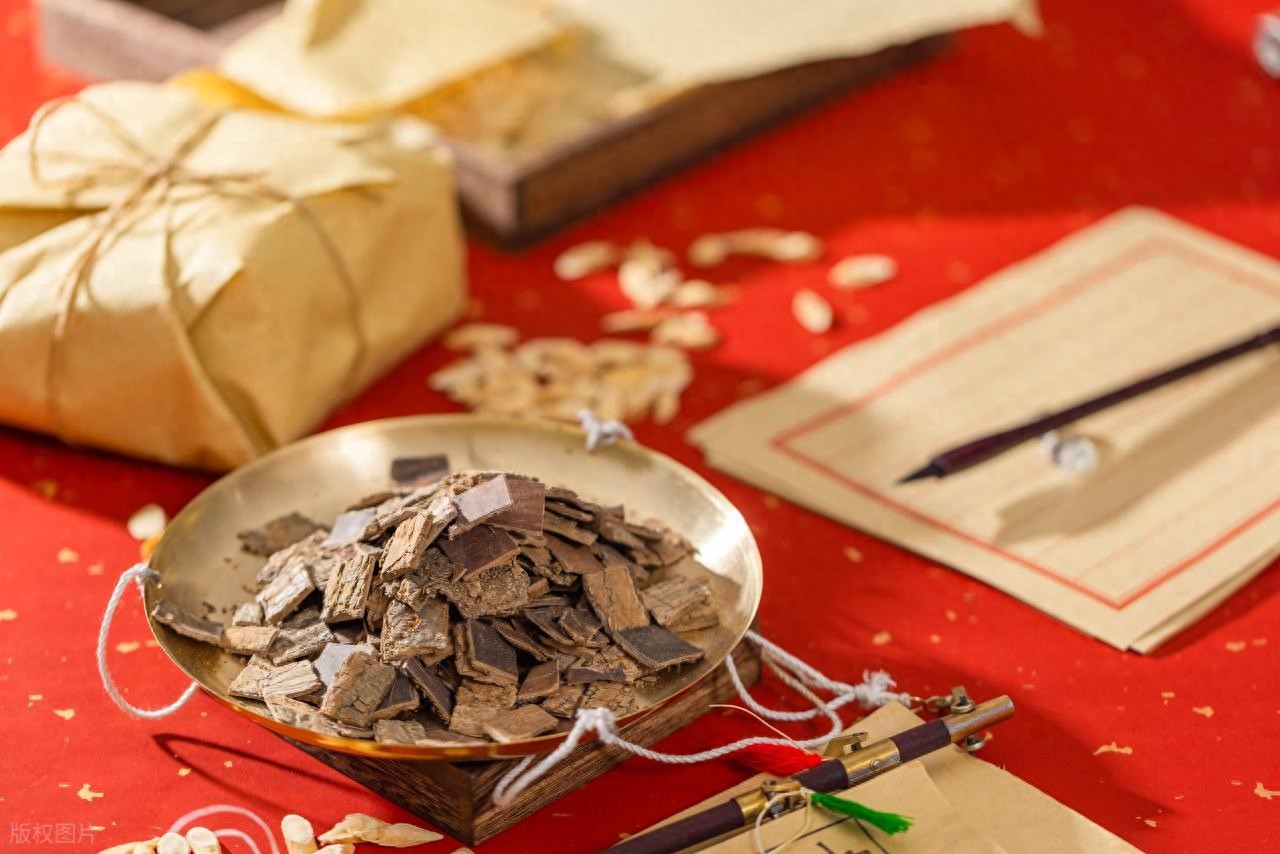
Although its modern formulation consists of 13 herbs, its core functions can be categorized into three groups, which become quite clear upon detailed analysis:
First, nourish kidney yin by using prepared rehmannia root and raw rehmannia root as the foundation. Prepared rehmannia root strongly nourishes kidney yin, while raw rehmannia root helps clear floating heart fire. Pair these with tortoise plastron to nourish yin and subdue yang, and with Chinese yam to tonify both the spleen and kidneys. Additionally, use cornus fruit and schisandra to consolidate and astringe essence-qi, preventing the loss of nourishing substances. However, prepared rehmannia root is somewhat greasy, so individuals with heavy dampness should reduce the dosage as appropriate
Secondly, to reduce heart fire and guide the downward flow of fire, Anemarrhena root and phellodendron bark are selected to clear fire without depleting yin. When combined with achyranthes root, this combination helps to "pull" heart fire down to the lower jiao while also fortifying the kidneys and waist
Third, nourish heart yin + promote blood circulation, using Tianmen Dong (Radix Asparagi) and Maidong (Radix Ophiopogonis) to nourish heart yin, clear the heart, and relieve restlessness, combined with Danggui (Radix Angelicae Sinensis) and Chuanxiong (Rhizoma Chuanxiong) to promote blood circulation and unblock collaterals, addressing the issue that "prolonged illness inevitably leads to blood stasis," allowing the tonic herbs to be better absorbed.
Important Reminder: Herbal medicine treatments require syndrome differentiation and tailored therapy. Since each person's constitution and severity of symptoms differ, the dosage and combination of herbs may need adjustment. For example, those with excess pathogenic factors or severe dampness in the body should not directly use the original formula as is. If you experience similar discomfort, it is recommended to consult a professional doctor for syndrome differentiation before use, and avoid self-prescribing. Do you usually suffer from heat in the upper body and cold in the lower body? Please share your specific symptoms for a more accurate assessment.