Vertigo Caused by Hyperactivity of Liver Yang? Zhen Gan Xi Feng Decoction: Nourishes Yin and Subdues Yang, Safeguarding Your Health
In daily life, sudden vertigo can catch people off guard. You might be walking normally or handling routine tasks one second, and the next, you suddenly feel dizzy, as if the whole world is spinning, often accompanied by nausea, vomiting, unsteady footing, and other discomforts that severely impact normal life and work.
Many people seek medical help and try various treatment methods for this, but the results are often minimal. In fact, from the perspective of TCM pattern differentiation, such stubborn vertigo is mostly closely related to internal movement of liver wind and hyperactivity of liver yang.
Traditional Chinese Medicine believes that the liver governs the free flow of qi and is responsible for regulating the body's qi dynamics. Once the liver qi regulation becomes abnormal, it is prone to generate fire pathogens and stir up wind manifestations. This "liver wind" disturbs the clear orifices of the head, leading to the onset of dizziness. Zhen Gan Xi Feng Tang (Liver-Sedating and Wind-Extinguishing Decoction) is precisely a classic and effective formula for this type of dizziness caused by hyperactivity of liver yang and internal stirring of liver wind.
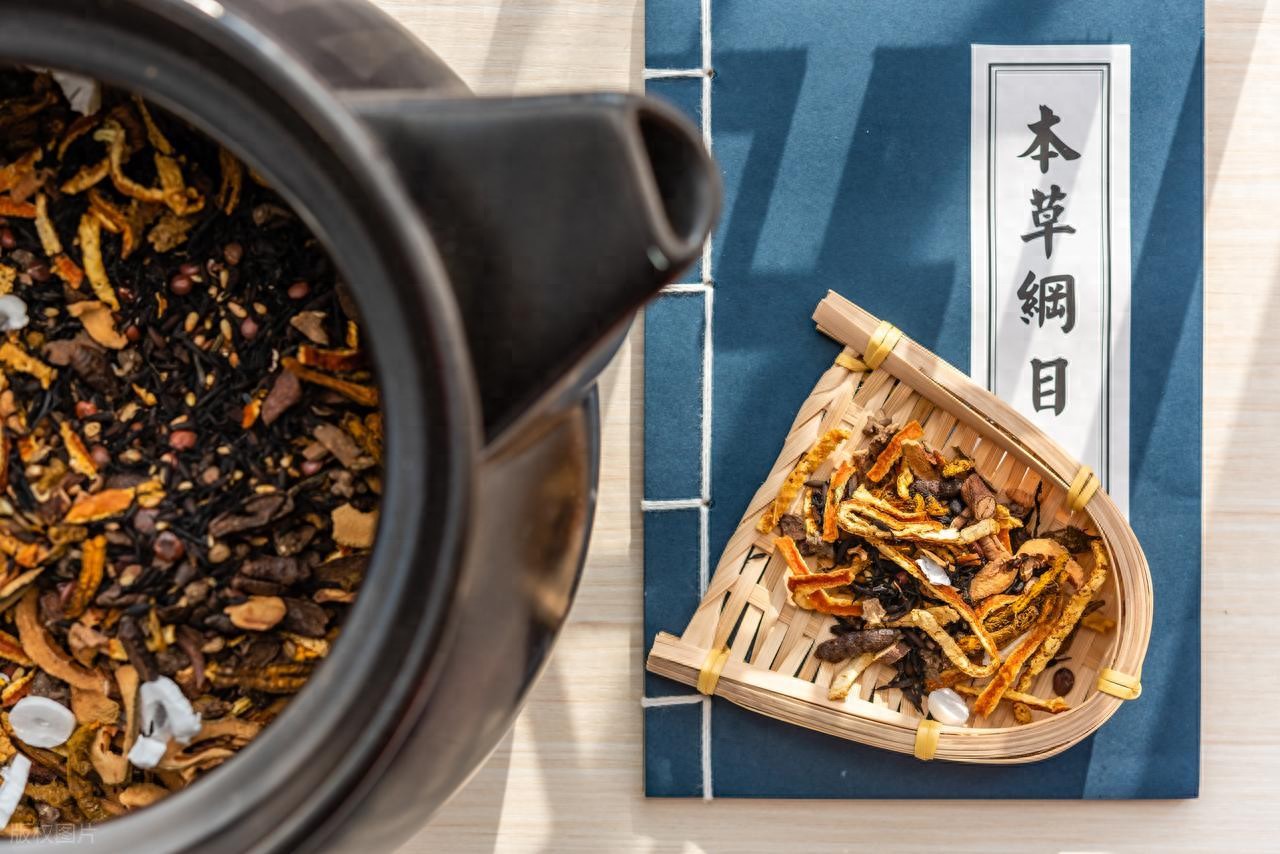
Zhen Gan Xi Feng Tang originates from the modern classic of traditional Chinese medicine, "Yi Xue Zhong Zhong Can Xi Lu" (Records of Traditional Chinese and Western Medicine in Combination). The formula is skillfully composed of 12 medicinal ingredients, including huai niu xi (Achyranthes bidentata), sheng zhe shi (raw hematite), sheng long gu (raw fossilized bone), and sheng mu li (raw oyster shell). Its core efficacy lies in "calming the liver and extinguishing wind, nourishing yin and subduing yang." It not only powerfully suppresses hyperactive liver yang and pacifies internally stirring liver wind but also nourishes the deficient yin fluids of the liver and kidney, correcting the pathological state of reversed qi and blood from its root.
It shows significant alleviating effects for symptoms such as dizziness, tinnitus, distending headache with a sensation of heat, facial flushing, limb tremors, and even impaired movement resembling wind-stroke, all caused by floating liver yang and internal stirring of liver wind. It is particularly suitable for middle-aged and elderly individuals. With aging, liver and kidney functions naturally decline, making this group prone to liver and kidney deficiency and hyperactivity of liver yang, positioning them as the primary target population for this formula.
In the theoretical system of Traditional Chinese Medicine, the dynamic balance of yin and yang within the zang-fu organs is fundamental for maintaining human health. Once this balance is disrupted, disease arises. For dizziness of the liver-yang hyperactivity type, the core pathogenesis lies in liver and kidney yin deficiency. Whether it's the natural deficiency of liver and kidney due to aging and physical decline or the premature consumption of genuine liver and kidney yin caused by poor lifestyle habits such as chronic sleep deprivation, excessive contemplation, or sexual intemperance, all can lead to a state where "yin fails to control yang."
When liver and kidney yang-qi loses the restraint and containment of yin-blood, it becomes hyperactive and rises upward. The turbulent nature of yang-qi then generates "wind manifestations," which in turn disrupt the flow of qi and blood, ultimately leading to a series of discomforts such as irritability, head distension and pain, and facial heat.
The formulation of Zhengan Xifeng Tang (Liver-Calming and Wind-Extinguishing Decoction) profoundly embodies this principle with exquisite precision: Huai Niuxi (Achyranthes bidentata root) has bitter, sweet, and sour flavors and a neutral nature. It not only guides blood downward and calms hyperactive liver yang but also tonifies the liver and kidneys, making it the undisputed monarch herb. Sheng Zheshi (raw hematite), Sheng Longgu (raw fossilized bone), and Sheng Muli (raw oyster shell) are heavy in texture, excelling in suppressing and subduing yang, thereby enhancing the ability to calm the liver and extinguish wind. They serve as minister herbs, assisting the monarch herb.
Sheng Hangshao (raw white peony root), Xuanshen (scrophularia root), and Tiandong (asparagus root) focus on nourishing yin and enriching blood, supplementing liver and kidney yin to address the root cause. Chuanlianzi (Sichuan chinaberry fruit) and Sheng Maiya (raw barley sprout) can soothe the liver and regulate qi, preventing the tonic herbs from causing cloying stagnation and impeding stomach function. Together, they act as assistant herbs. Gancao (licorice root) has a sweet flavor and neutral nature, serving to harmonize all the herbs, acting as the envoy herb. The entire formula addresses both the branch and root, combining attack and tonification, precisely matching the pathogenesis.
It is particularly important to note that although Zhengan Xifeng Tang is a famous formula for treating dizziness, it is not suitable for all types of dizziness conditions. It must be strictly distinguished from another classic dizziness-treating formula, Tianma Gouteng Yin (Gastrodia and Uncaria Beverage). Although both can be used for dizziness due to liver yang hyperactivity, their indications have different emphases:
Tianma Gouteng Decoction contains a relatively high proportion of heat-clearing herbs, making it more suitable for individuals with liver yang hyperactivity accompanied by significant heat signs and milder deficiency of liver and kidney essence. These individuals often experience symptoms such as insomnia and excessive dreaming;
In contrast, the core advantage of Zhengan Xifeng Decoction lies in its stronger ability to nourish liver and kidney yin fluids, coupled with a more potent action to subdue yang and descend counterflow. It is better suited for cases of severe liver and kidney yin deficiency, intense liver yang hyperactivity symptoms, and even critical conditions where symptoms approach stroke manifestations, such as limb tremors and impaired movement.
This article is only for the purpose of TCM (Traditional Chinese Medicine) popularization, aiming to help everyone understand knowledge about classical herbal formulas, and cannot substitute for professional medical guidance. If symptoms related to the above-mentioned stroke-like conditions occur, please be sure to seek timely treatment at a formal hospital and use medication under the guidance of a professional TCM practitioner based on syndrome differentiation. Do not make self-judgments or blindly take herbal formulas on your own, to avoid delaying the condition or causing adverse reactions.