Mighty Moisture-Eliminator Atractylodes: The Top Herb for Drying Dampness and Fortifying the Spleen, More Effective When Used According to Symptoms
"Excessive dampness" troubles many people. Symptoms like a heavy, enveloping sensation in the body resembling damp clothing, fatigue, lethargy, fullness and distension in the stomach and abdomen, poor appetite, sticky stools, and a thick, greasy tongue coating are all signals of excessive dampness. Traditional Chinese Medicine (TCM) posits that the spleen is the body's "transportation and transformation manager," responsible for converting nutrients and guiding water-dampness. When spleen function weakens, water-dampness accumulates and causes problems. Atractylodes, known as the "top herb for drying dampness and fortifying the spleen" in TCM, is a potent solution for dampness issues as it not only powerfully eliminates dampness but also revitalizes the spleen and stomach.
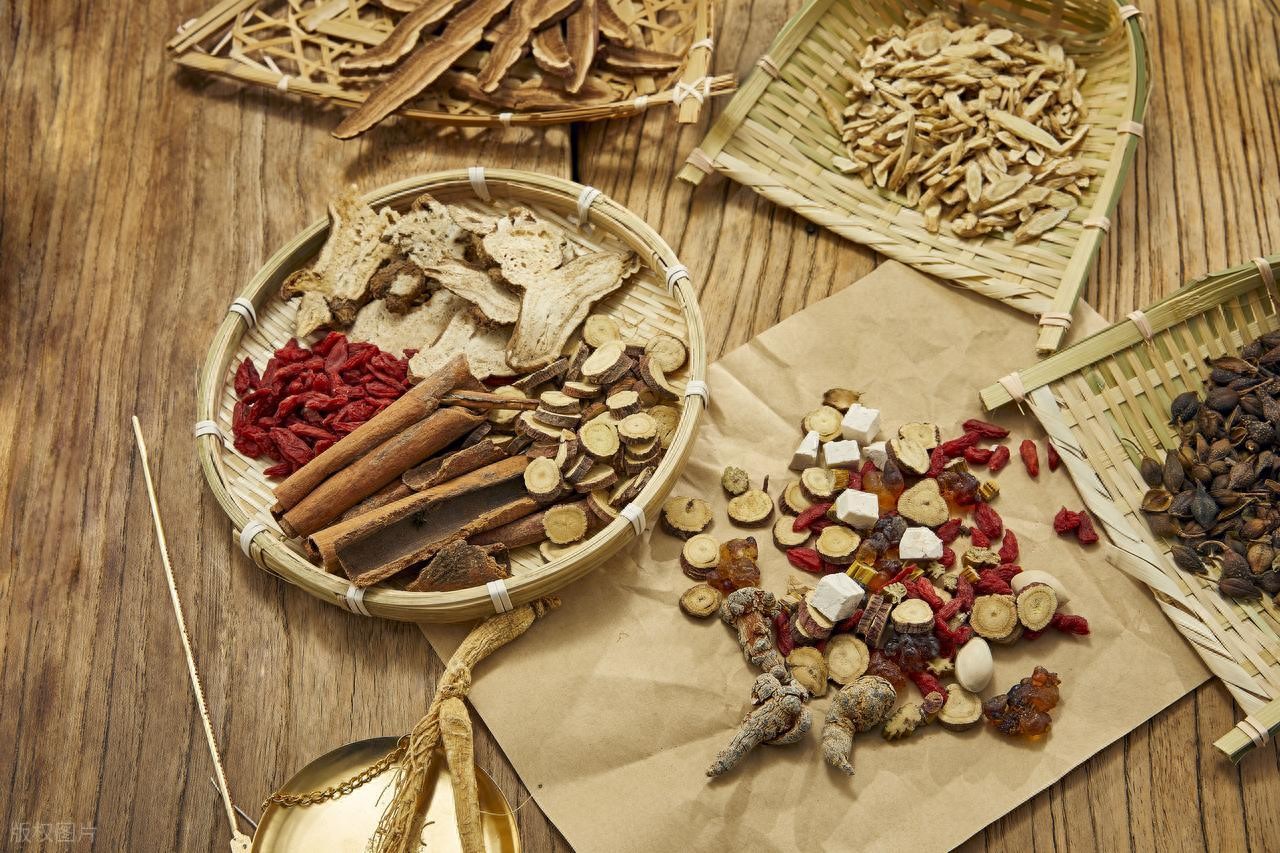
Atractylodes has a pungent and bitter taste and a warm nature, acting on the spleen, stomach, and liver meridians. Its core functions are to dry dampness, fortify the spleen, dispel wind, disperse cold, and improve vision. It can treat conditions such as fullness and distension in the epigastric region and abdomen, diarrhea, and edema. Atractylodes stir-fried with bran has an even better spleen-fortifying effect, making it suitable for individuals with spleen deficiency and heavy dampness. Its pungent, fragrant, warm, and drying properties act like a "human desiccant," excelling at clearing damp turbidity from the spleen and stomach. It is often combined with white atractylodes and aged tangerine peel, with the classic formula "Stomach-Calming Powder" being the representative prescription known as the "primary formula for treating dampness."
Ping Wei San consists of Atractylodes, Magnolia Bark, Dried Tangerine Peel, and Prepared Licorice Root, and is decocted with ginger and jujubes. It can dry dampness, invigorate the spleen, regulate qi, and harmonize the stomach, specifically treating symptoms such as abdominal distension, poor appetite, nausea, and loose stools caused by damp stagnation in the spleen and stomach. In this formula, Atractylodes serves as the core ingredient to expel dampness; Magnolia Bark regulates qi, dries dampness, and relieves bloating; Dried Tangerine Peel assists in regulating qi and resolving phlegm; ginger, jujubes, and licorice protect the spleen and stomach, working synergistically for effectiveness.
If water-dampness flooding causes systemic edema, Wu Ling San can be used for regulation. It is composed of Alisma, Poria, and other herbs, and can promote urination, expel dampness, warm yang, and transform qi. In addition, Atractylodes can dispel wind and disperse cold. When paired with Notopterygium root, it treats wind-cold-damp obstruction (e.g., Jiu Wei Qiang Huo Tang); when combined with Phellodendron bark, it forms Er Miao San, which clears heat and dries dampness, addressing joint swelling, pain, and eczema caused by damp-heat flowing downward; and when paired with Achyranthes root and Coix seed to form Si Miao San, it is more effective for damp-heat in the lower limbs.
In summary, the core advantages of Atractylodes are drying dampness, invigorate the spleen, specifically treating damp obstruction in the middle energizer, and simultaneously relieving damp pathogenic factors in the muscles and joints. It is important to note that medication must be used according to syndrome differentiation. It is recommended to use it under the guidance of a professional medical practitioner and avoid taking it blindly.