Simultaneous Presence of Internal Heat and Cold Body? Licorice Decoction to Drain the Epigastrium: A Classic Formula for Harmonizing Heat and Cold
Many people in daily life suffer from the distress of "experiencing two extremes simultaneously": on one hand, there is oral burning sensation, recurrent tongue tip ulcers, and a dry and itchy throat yet reluctance to drink water, with drinking water easily causing abdominal distension; on the other hand, there is frequent diarrhea, loose stools, borborygmus (rumbling in the intestines), and worsening discomfort upon consuming raw, cold, or greasy foods. The root causes of these seemingly contradictory symptoms are interconnected, all pointing to "intermingled cold and heat, and dysfunction of the spleen and stomach."
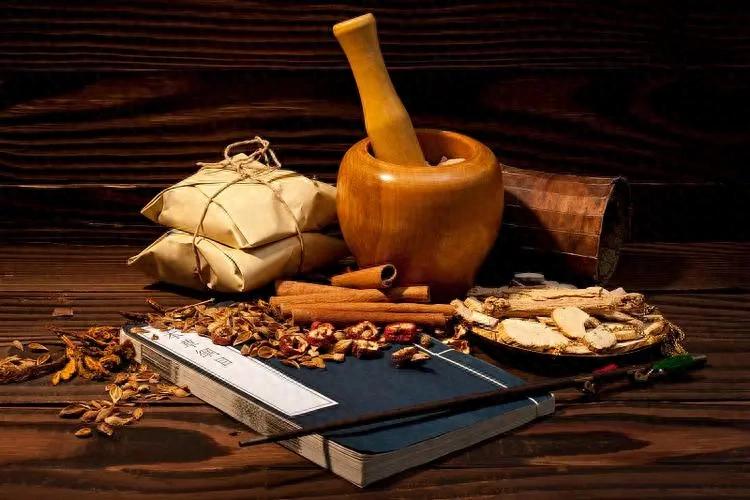
Traditional Chinese Medicine holds that the spleen and stomach are the foundation of postnatal life, responsible for the production of qi and blood, the transportation and transformation of water and food, and the regulation of the ascending and descending movement of qi. Once the spleen and stomach are impaired, yang qi cannot warm and transform dampness, while yin fluids fail to nourish the internal organs. This leads to the generation of turbid dampness, triggering the interweaving of cold and heat, which in turn induces discomfort. The Licorice Decoction to Drain the Epigastrium from the medical sage Zhang Zhongjing's "Treatise on Cold Damage Disorders" and "Essential Prescriptions from the Golden Cabinet" is precisely the classic targeted formula for such issues.
Glycyrrhizae Decoction to Drain the Epigastrium, as a representative of the "Draining the Epigastrium Decoction" category, has the core functions of harmonizing the stomach and supplementing the middle, downbearing counterflow and dissipating glomus, as well as balancing cold and heat. Zhang Zhongjing initially used it to treat conditions such as diarrhea and epigastric fullness and hardness resulting from erroneous purgation in cold damage disorders. Later generations expanded its application to various patterns of spleen-stomach weakness with intermingled cold and heat. The so-called intermingled cold and heat refers to a state where the body exhibits cold signs like chills and diarrhea due to spleen-stomach deficiency cold, alongside heat signs such as oral ulcers from exuberant heart-stomach fire, with spleen-stomach weakness being the fundamental trigger.

Its classic formula composition is: prepared licorice root (Glycyrrhizae Radix Praeparata), baical skullcap root (Scutellariae Radix), coptis rhizome (Coptidis Rhizoma), dried ginger (Zingiberis Rhizoma), pinellia rhizome (Pinelliae Rhizoma), jujube (Jujubae Fructus), and ginseng (Ginseng Radix).
The entire formula combines supplementation and drainage, as well as cold and heat properties: prepared licorice root, sweet and warm, supplements the middle and harmonizes all ingredients to balance cold and heat; baical skullcap root and coptis rhizome clear heat and downbear fire, alleviating symptoms of heat exuberance; dried ginger and pinellia rhizome warm the middle to arrest coldness, dry dampness, and downbear counterflow, improving conditions of bodily cold and diarrhea, while counteracting the potential spleen-damaging effects of cold and cool medicinals; ginseng and jujube boost qi and fortify the spleen, reducing the generation of damp turbidity from its source.
The formulation logic of the entire prescription is clear: using prepared licorice root to consolidate the spleen-stomach foundation, baical skullcap root and coptis rhizome to drain heat pathogens, dried ginger and pinellia rhizome to dispel cold-dampness, and ginseng and jujube to supplement upright qi. Multiple herbs work synergistically to achieve the goal of harmonizing cold and heat and restoring spleen-stomach function.