Gastric Ulcers, Bloating, and Dull Pain Are So Tormenting! One Move to Repair the Gastric Mucosa and Give You a Comfortable, Healthy Stomach
Even the seemingly toughest person, once plagued by stomach problems, often finds the experience unbearable. Especially that dreaded "old foe"—the gastric ulcer. It's not as acute as a broken arm or leg, but that vague, dull ache, the bloating that feels like food is stuck in your throat after just a small meal, and the burning sensation that no amount of rubbing can soothe—it's like a grain of sand in your shoe, grating painfully with every step, slowly wearing away your zest for life.
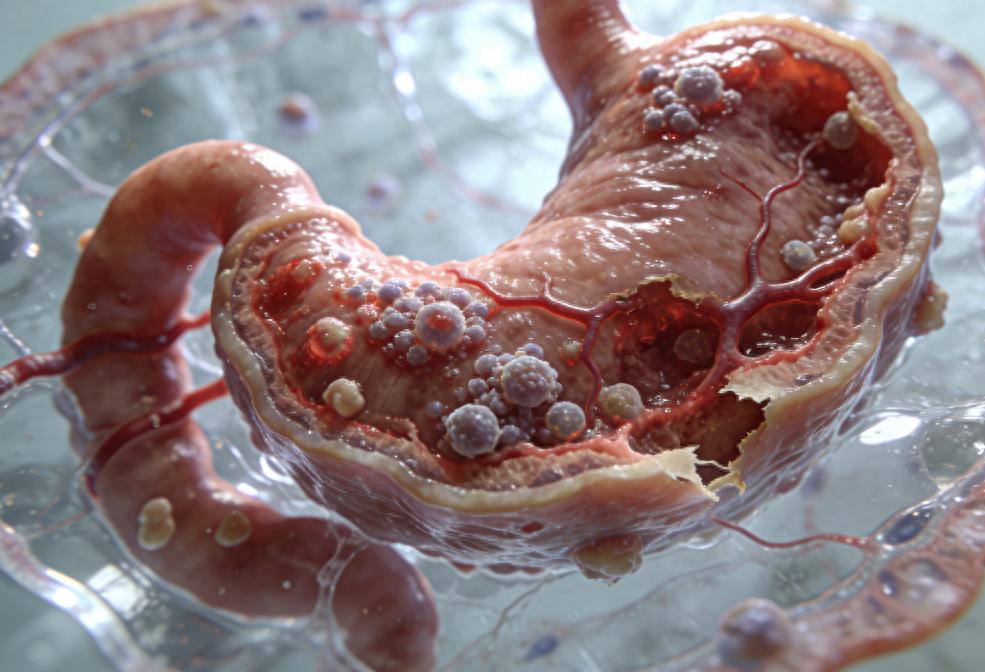
Many friends, after having an endoscopy at the hospital and seeing words like "damaged gastric mucosa" and "ulcer" on the report, often react with confusion: "But I've been quite careful in my daily life, how did I end up with a hole?" In reality, our stomach is like a sac filled with strong acid. Under normal circumstances, the stomach wall has a "natural barrier"—the gastric mucosa, which is responsible for separating the stomach acid strong enough to corrode metal from the stomach wall itself. However, modern lifestyles are often too fast-paced, eating habits are irregular, people may be affected by *Helicobacter pylori* infection, or they may take painkillers long-term. These factors act like "saboteurs," continuously attacking that protective barrier. Once the barrier is breached, the aggressive stomach acid directly erodes the tender flesh of the stomach wall, and ulcers follow. This is the core reason for the pain and acid reflux you feel.
Now that we know the root of the problem lies in a "breach of the barrier," the treatment approach becomes clear: on one hand, we must "reduce the attack," that is, suppress gastric acid secretion; on the other hand—and this is even more crucial—we must "repair the defense line," protecting and restoring the damaged gastric mucosa.
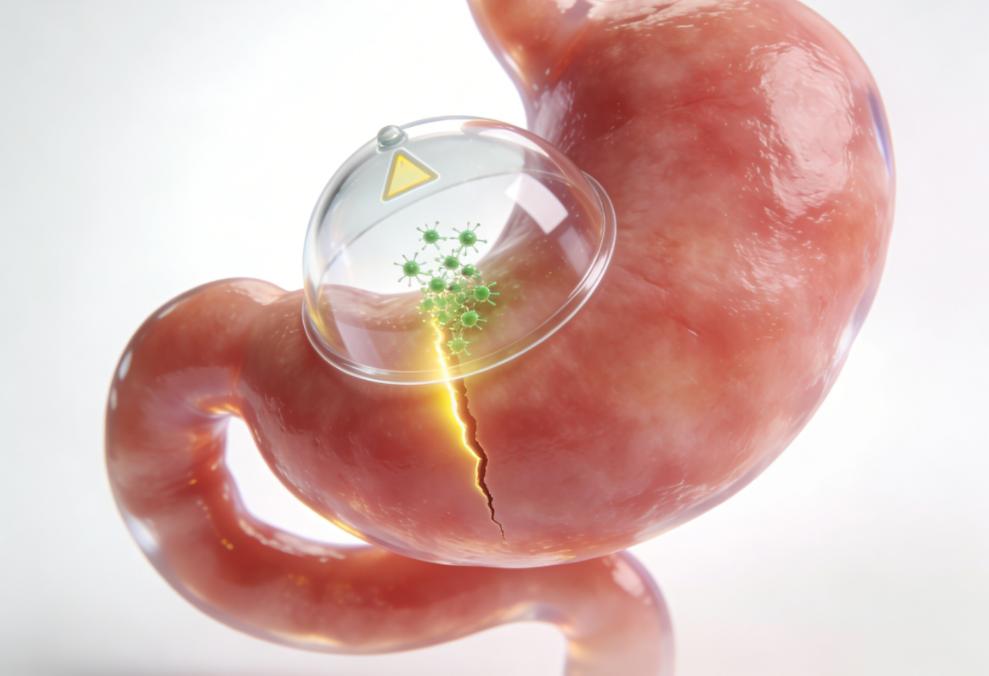
When it comes to repairing the gastric mucosa, the market is flooded with a variety of medications, and many chronic gastritis patients may have tried quite a few. Today, I'd like to talk about a clinically well-established gastric mucosal protective agent with a relatively unique mechanism—Dosmaltate Tablets.
Why single it out? Because it’s like applying a layer of "waterproof paint" to the damaged stomach lining. Once Dosmaltate Tablets enter the stomach, they act in a very direct manner. Thanks to their unique chemical structure, they rapidly disintegrate in the acidic environment of the stomach and form a highly viscous, strongly adherent protective film. This film effectively constructs a barrier, shielding the stomach. Think of it as placing a "band-aid" over each exposed ulcer. This film is quite clever: not only does it physically block the continued assault of gastric acid and pepsin on the wound, providing a stable environment for healing, but it also "gets to work on reconstruction."
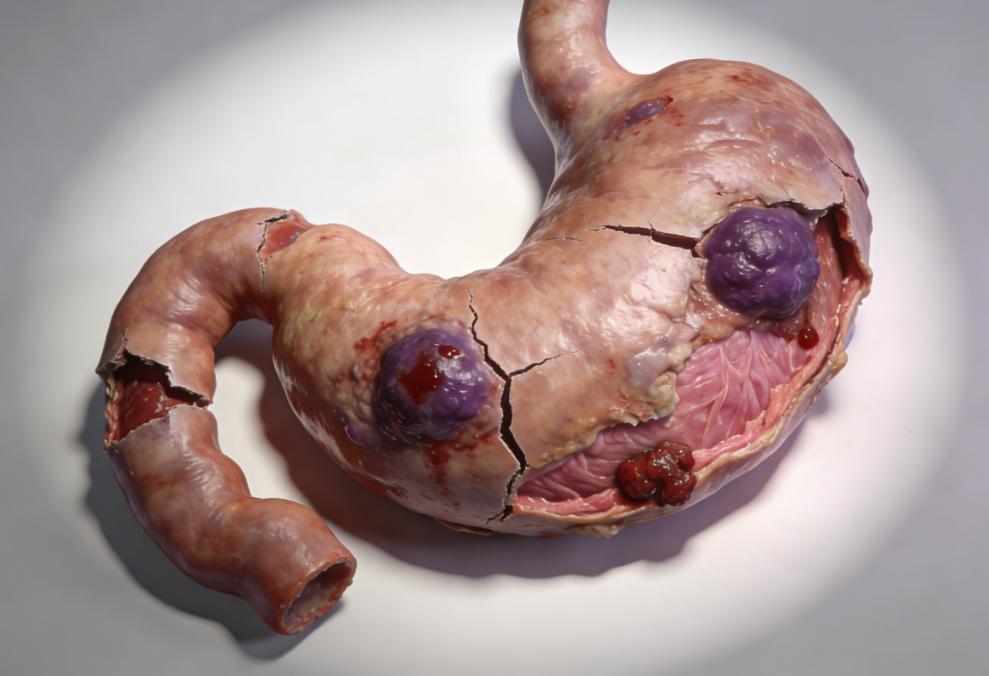
Research has found that Dosmaltate can also promote the local production of prostaglandin E₂ (PGE₂) in the gastric mucosa. Prostaglandins are remarkably beneficial substances. They help improve microcirculation in the mucosa, effectively increasing blood flow to mucosal tissues, which is highly beneficial for overall health. With ample blood flow, the delivery of nutrients significantly accelerates. Consequently, the self-repair process of the damaged mucosa speeds up, naturally leading to faster recovery. For those dealing with chronic, recurrent, and persistent stomach issues, it's crucial not only to "stop the damage" but also to "rebuild," and this step is vitally important.
Moreover, for many people concerned about the side effects of medications, this drug has a relatively reassuring feature: it is essentially not absorbed into the bloodstream. It is a typical "local agent" that works exclusively in the gastrointestinal tract and is excreted through feces once its task is complete. Since it does not enter the systemic circulation, its impact on liver and kidney function and the body as a whole is minimal, resulting in fewer systemic adverse reactions and relatively higher safety. Of course, despite its favorable safety profile, it is not suitable for everyone. Individuals allergic to any component of this product are strictly prohibited from using it. Pregnant women, breastfeeding mothers, and children should only use it under strict medical supervision when absolutely necessary—safety always comes first during these special periods.
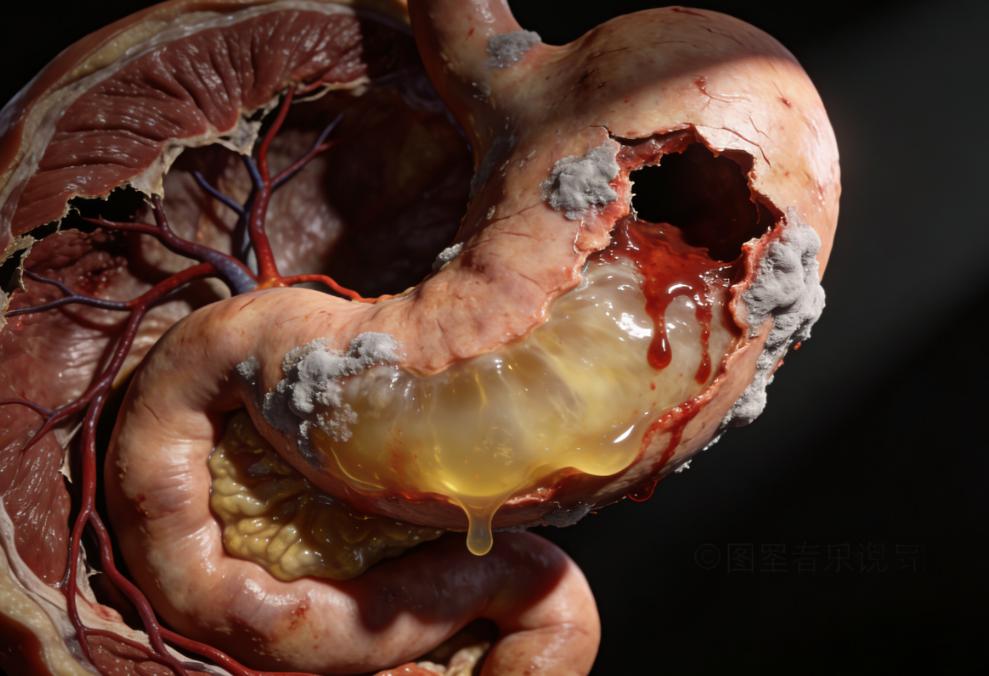
In addition to scientific medication use, achieving a truly "comfortable and healthy stomach" also depends on essential lifestyle habits. Here are a few simple suggestions to follow:
First, eat "on schedule." Stomach acid secretion follows a circadian rhythm. If you don’t eat at regular times, stomach acid arrives with nothing to digest, so it ends up "digesting" your gastric mucosa instead. This is more important than any supplement you might take.
Second, chew slowly—it’s not an empty phrase. With every bite, chew a few more times. Enzymes in saliva pre-digest food, reducing the burden on your stomach. This is the simplest and most cost-free way to nourish your stomach—give it a try.
Third, "loosen" your emotions. The stomach is often called the "second brain." When you get anxious or angry, the blood vessels in your stomach constrict, reducing blood flow to the mucosa and making it more prone to damage. Whether it’s deep breathing or going for a walk, find a way to release stress, and your stomach will naturally feel much better.

The repair of stomach ailments is a slow and meticulous process, requiring not only professional "repairmen" like sucralfate tablets to strengthen the defense line but also gentle care in our daily lives. As long as you find the right method and persevere, a healthy body that enjoys every bite and forgets the pain of stomach discomfort will surely return.
All medication use must strictly follow medical advice; do not self-medicate blindly. The drugs mentioned in this article are solely for educational discussion purposes. They are typically low in cost, and I have no financial interest with the relevant pharmaceutical companies, nor do I receive any rebates. I do not make specific medication recommendations; please consult a professional doctor based on your own condition.