Cupping is not to be done casually! If your body shows these reactions, stop immediately and don't push through it
Cupping practitioners can often be seen at street wellness centers and in residential communities. Those purplish-black cupping marks are often mistaken as "successful detoxification." However, many people, following the trend, end up with blistered skin, body aches, and even worsened weakness — cupping is beneficial, but it shouldn’t be done casually!
Cupping is a traditional Chinese medicine (TCM) wellness technique that uses negative pressure inside cups to stimulate meridians and regulate qi and blood. Its principle is akin to using a straw to suck up a beverage: it relies on suction to clear the meridians, expel dampness from the body’s surface, and promote overall health. However, many people hold the misconception that "darker cupping marks mean better results," leading to practices that may harm the body. Such issues often stem from misunderstandings and should not be taken lightly — proper understanding and approach are essential.
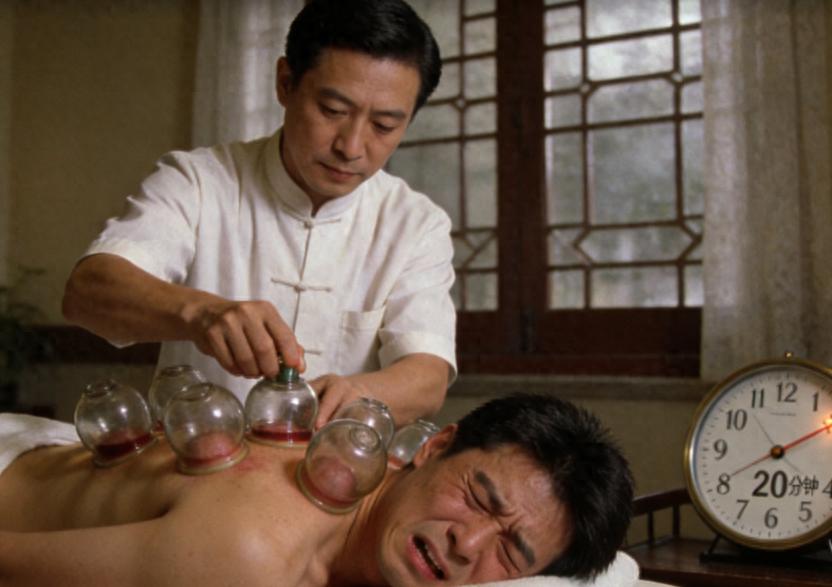
01 Issues with cupping? The 4 most common misconceptions
While cupping may appear simple, it actually involves the significant principles of "pattern differentiation, timing, and technique." Many people experience adverse reactions after cupping because they fall into the following pitfalls:
First, blindly following the trend without considering one’s constitution. In TCM, cupping is more suitable for individuals with damp-heat or qi-stagnation and blood-stasis constitutions — for example, those who feel sticky and uncomfortable in summer or experience soreness and tension in the shoulders and neck. For them, cupping can alleviate discomfort. However, for those with cold constitutions, cupping may drive cold deeper into the body; for those with yin deficiency, cupping can exacerbate dryness and lead to further weakness.
Second is improper technique being too "aggressive". Many people pursue "dark purple cupping marks" and ask the therapist to suction the cups very tightly, deliberately extending the duration, sometimes even exceeding 20 minutes. It's important to know that the skin's tolerance is limited. Excessive negative pressure and prolonged duration are similar to pinching the skin hard for too long—it can cause redness and swelling, easily leading to rupture of subcutaneous capillaries, tissue damage, and resulting in severe cupping marks or blisters. Others carelessly choose the location, applying cups near the heart, around the navel, or over broken skin. These areas are either close to vital organs or have fragile skin, making it very easy to cause discomfort.
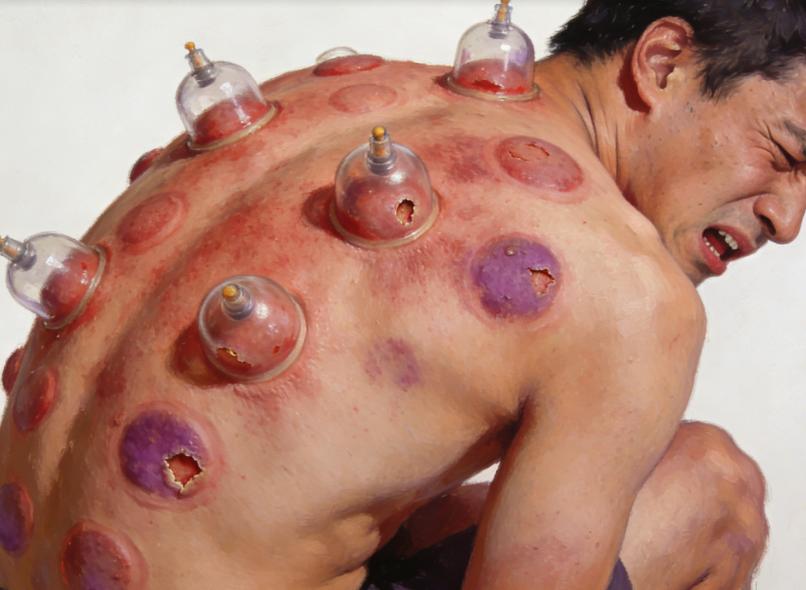
Choosing the wrong timing can also create problems. Cupping immediately after a meal, when blood is concentrated in the digestive system for processing food, can disrupt digestion due to the negative pressure stimulus and potentially cause dizziness and nausea. Cupping right after exercise, when the body is sweaty and pores are open, can allow cold and dampness to invade the body. Women cupping the abdomen or lower back during their menstrual period might experience excessive menstrual flow or worsened menstrual cramps. Cupping during a cold or fever might, conversely, cause the illness to relapse or linger.
Lastly, there's improper aftercare. Many people feel a full-body warmth after cupping and immediately take a cold shower or turn on the air conditioning. They don't realize that at this moment, the pores are in an open state, allowing cold and dampness to directly enter the body, essentially nullifying the benefits and even "drawing in more dampness." Others don't cover up or drink water after the session, leading to dehydration and catching a chill, which naturally can cause body aches.
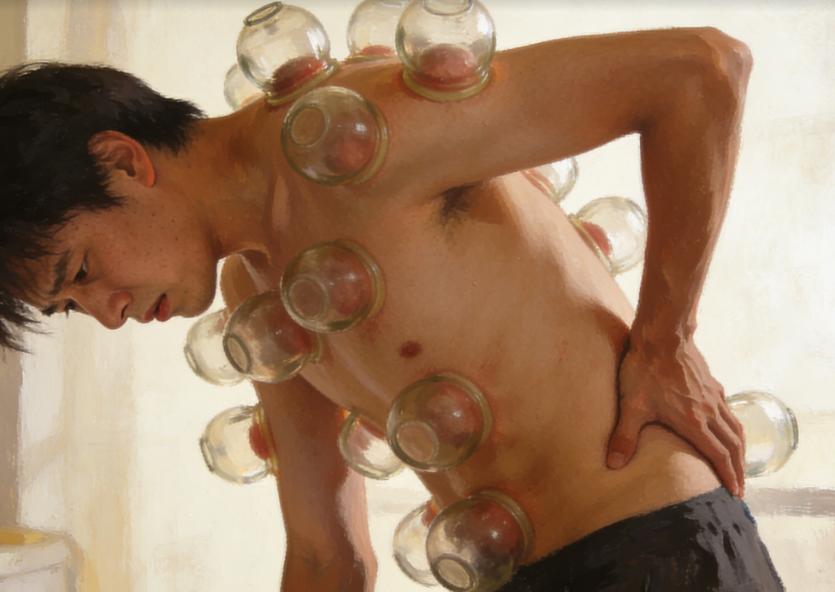
02 If these reactions occur, stop right away!
Skin blistering or breaking out: The appearance of soybean-sized blisters or pus indicates skin damage, which is prone to infection.
Abnormal cupping marks: dark or purple, painful upon pressure and not fading within a week, or pale and bloodless cupping marks—discontinue immediately
General malaise: Dizziness, palpitations, and fatigue may indicate insufficient blood supply; individuals with underlying health conditions should exercise caution
Worsening of pre-existing symptoms: More pronounced neck and shoulder pain, heaviness in the body indicate obstruction of Qi and blood.
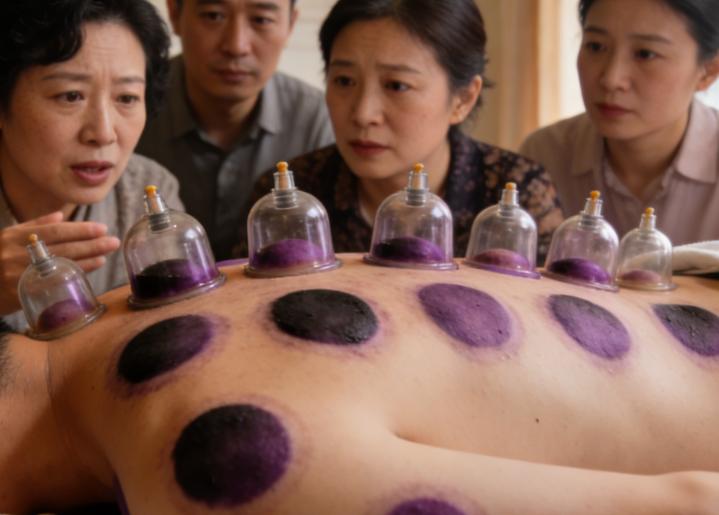
Friendly reminder: The depth of cupping marks is unrelated to "detoxification"; it is merely a reaction of capillaries under negative pressure. Therefore, there is no need to deliberately pursue specific cupping mark effects.
03 Five Rules for Proper Cupping: Safe and Effective
Identify constitution first: Suitable for damp-heat and Qi stagnation with blood stasis constitutions; reduce cupping for cold or Yin-deficient constitutions.
Standard operation: Time 5-10 minutes, intensity should cause slight skin redness, select areas with thick muscles like shoulders, neck, back;
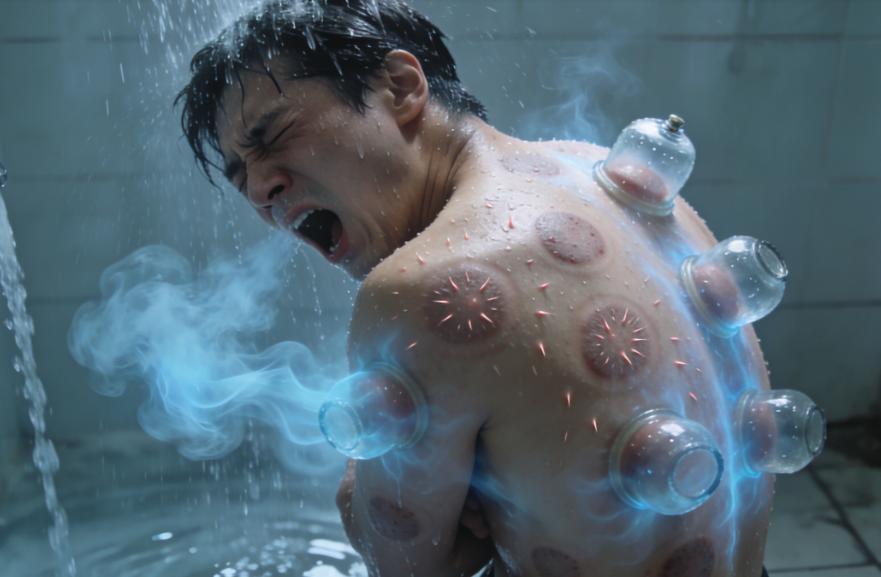
Choose the right timing: Cupping 1 hour after meals, rest 30 minutes after exercise before cupping, avoid waist and abdomen during menstruation, stop if discomfort occurs;
Proper Care: Avoid cold showers and air conditioning within 4 hours, drink plenty of water, and avoid raw or cold foods.
Contraindicated groups: Individuals with skin diseases, coagulation disorders, poorly controlled hypertension or diabetes, heart conditions, pregnant women, infants and young children, and those with weak constitutions should consult a professional physician.
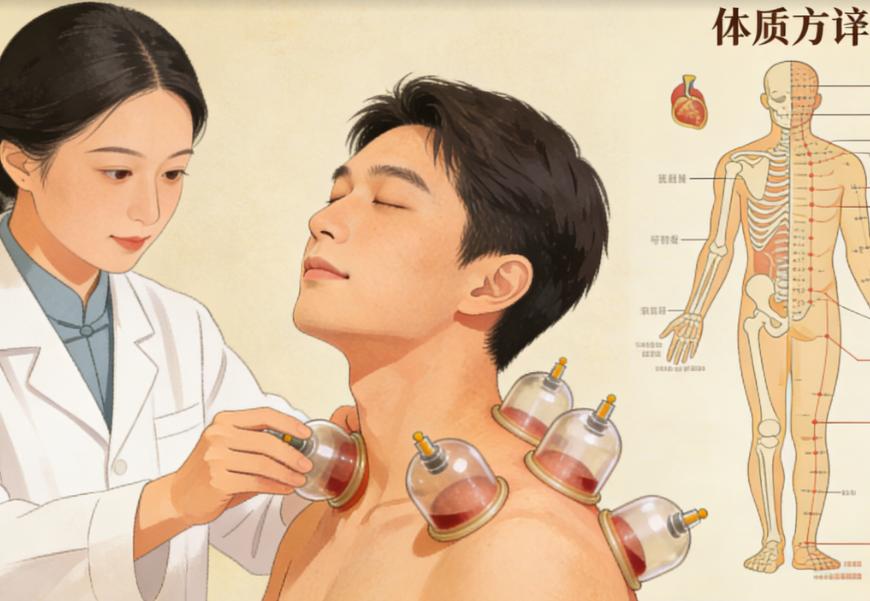
Cupping is a "gentle adjustment," not an "intense detoxification." Discomfort after cupping can be alleviated with proper care, and severe cases should seek medical attention promptly. Health maintenance should align with the body's natural state, and only scientific cupping methods can truly protect health!