Is dietary therapy for nourishing the liver and kidneys effective only when chosen correctly? Keep these 3 classic combinations in mind, explained in one go
Many people regard goji berries and donkey-hide gelatin as daily "miracle tools" for nourishing the liver and kidneys. They follow the trend and supplement for over half a year, but issues like fatigue and blurred vision do not improve, and they may even experience more internal heat. In reality, the key to nourishing the liver and kidneys lies in "tailored combinations." Blindly combining various ingredients not only fails to achieve the desired effect but may also backfire and harm one's health.
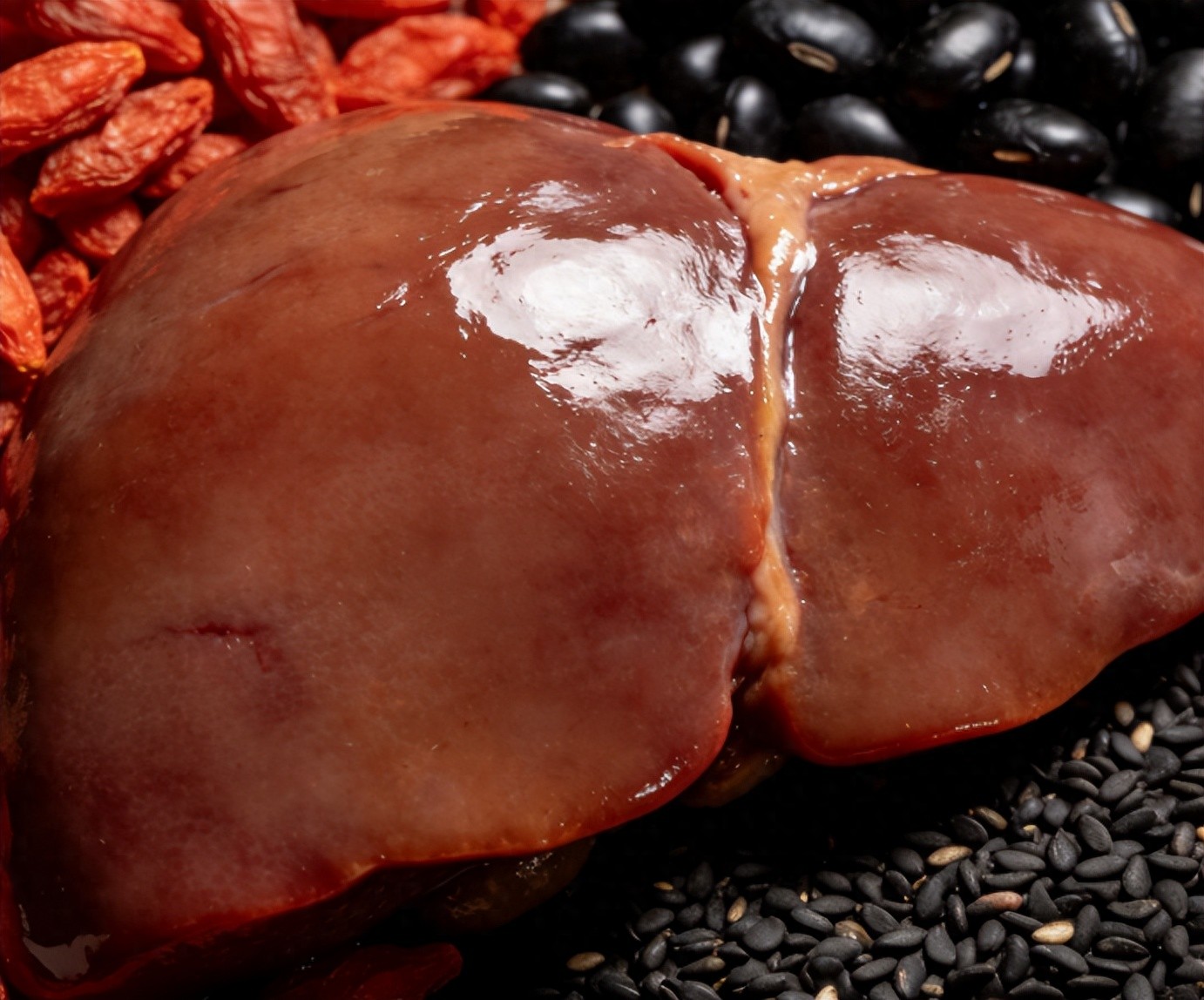
I. Avoid pitfalls first! 3 common misconceptions—many people's efforts end up being wasted
First, it is essential to understand that in traditional Chinese medicine, the "liver" and "kidneys" are not just the two organs referred to in Western medicine. They are more like core systems in the body responsible for "metabolism, energy storage, and detoxification." The liver governs free flow and regulates emotions, digestion, and detoxification, while the kidneys govern the storage of essence, managing energy, immunity, and reproductive function. Moreover, "the liver and kidneys share the same origin," meaning they are interdependent. Nourishing one must also consider the other, as supplementing one alone can easily lead to imbalance.
However, many people have fallen into these pitfalls in daily life:
Relying solely on a single supplement without combining it with other ingredients is not advisable. Take drinking only goji berry water as an example. Goji berries have a slightly greasy nature, and long-term consumption can easily lead to symptoms such as abdominal bloating and internal heat, which only adds unnecessary burden to the body.
Blindly supplementing without considering one's own constitution is not advisable. If one is already prone to internal heat but consumes warm-natured ingredients such as mutton and dog meat daily, it will not only fail to achieve the desired nourishing effects but may also intensify internal dryness and heat, leading to a worsening condition the more one supplements.
Pursuing "quick results": Dietary therapy is a slow process of adjustment. Expecting results after just two or three days of consuming herbal soups and giving up if no effects are seen will not achieve the goal of nurturing the body.
The key to nourishing the liver and kidneys is not "eating expensive or large quantities of food" but rather "targeted combinations and gradual progression." By allowing the effects of ingredients to complement each other, one can nourish the liver and kidneys without harming the spleen and stomach, ensuring the nutrients are truly absorbed by the body.
II. 3 classic combinations—even beginners won't go wrong
The following combinations are based on the principle of "liver and kidney sharing the same origin." The ingredients are common, the methods are simple, and they can be adapted to different constitutions:
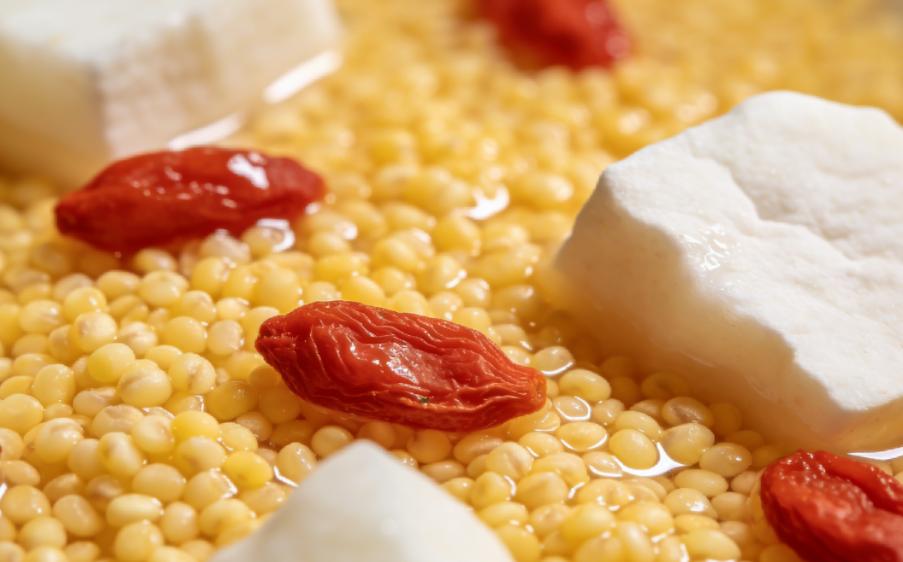
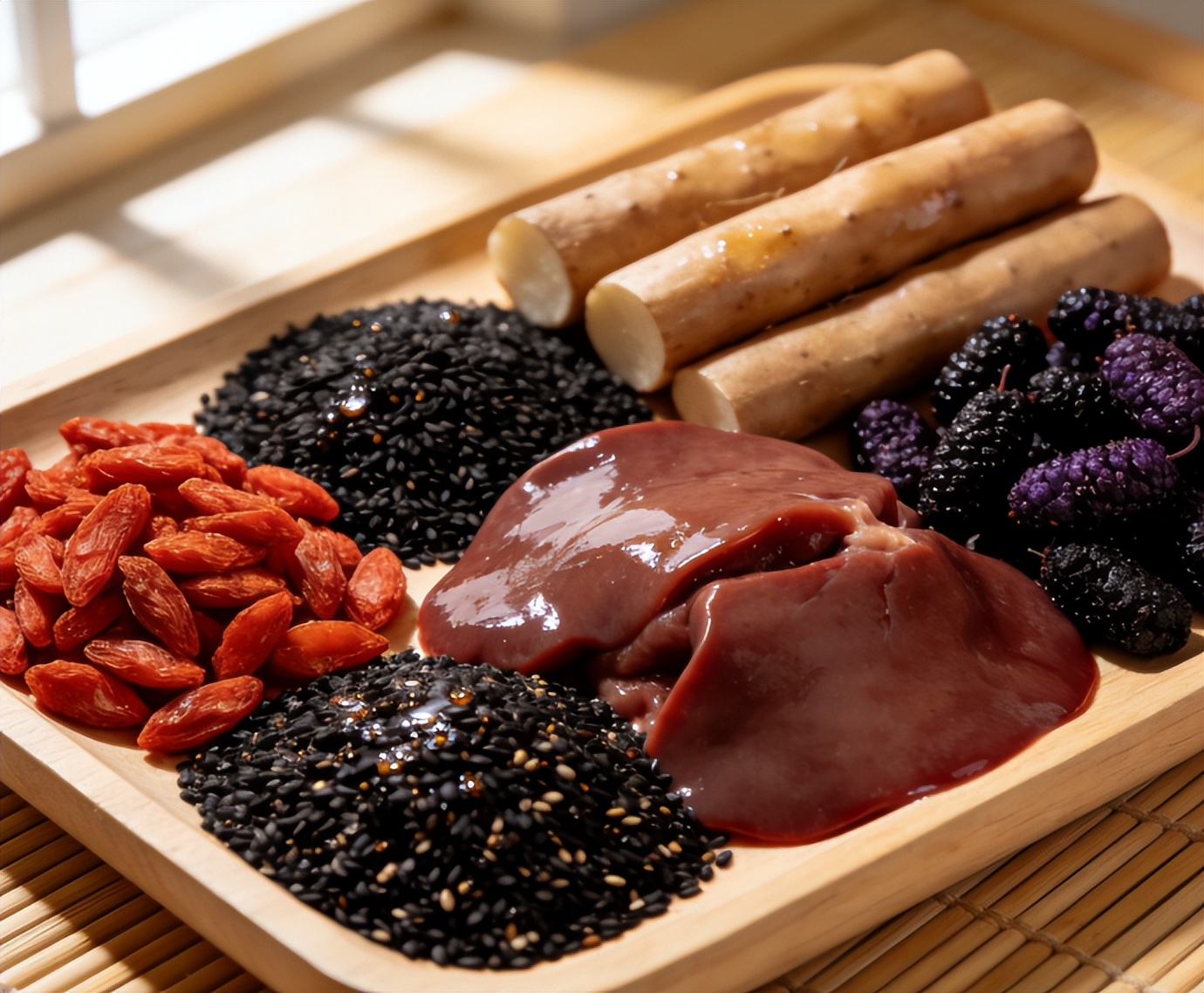
Pairing One: Goji Berries, Chinese Yam, and Millet — This combination is an excellent choice for daily health maintenance. With its mild and nourishing properties, it is suitable for the whole family to enjoy, providing an added layer of protection for everyone's well-being.
It is especially suitable for individuals who stay up late, experience low energy levels, or have weak digestion. Goji berries help replenish the liver and kidneys, improve eyesight; Chinese yam strengthens the spleen and helps balance the richness of goji berries; millet boosts qi and nourishes blood, fortifying the body's foundation. The synergy of these three ingredients makes for a wonderful formula for overall health.
Method: Soak the millet for half an hour first, then cook together with Chinese yam chunks for twenty minutes, add goji berries and continue to cook for five minutes, then let it steep for ten minutes before serving. Drinking a bowl in the morning can gently nourish the liver and kidneys.
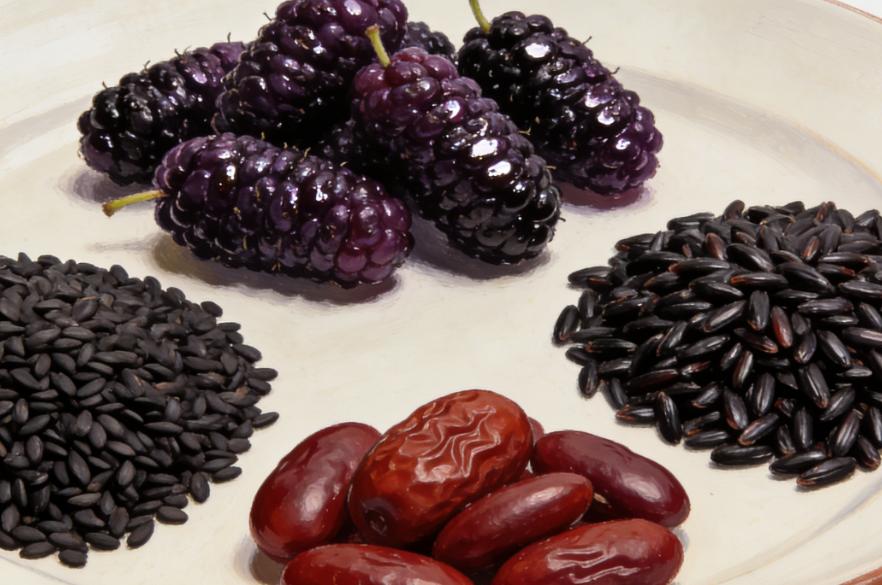
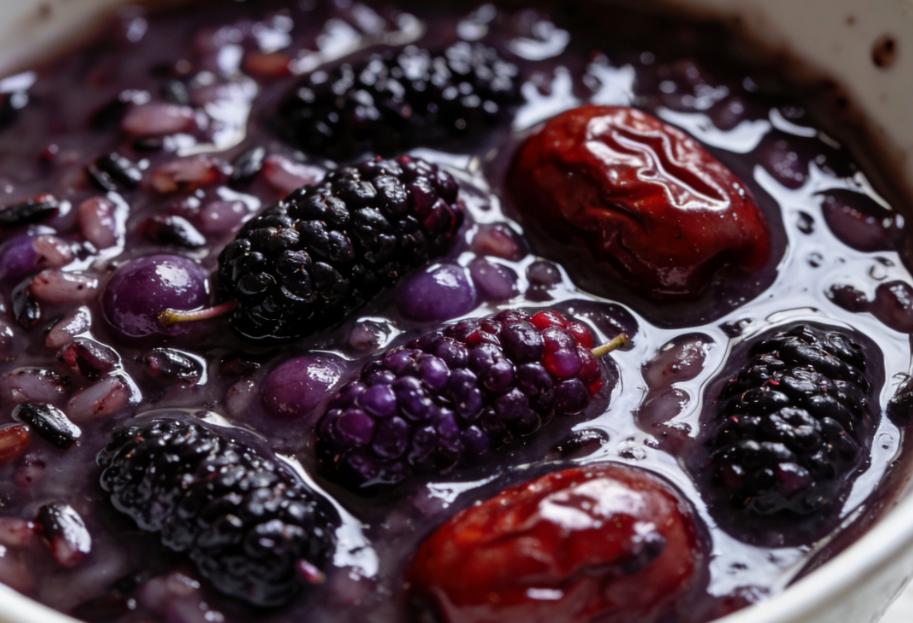
Combination Two: Mulberries, Black Rice, and Red Dates Blend—A Choice for Nourishing Yin and Moistening Dryness. This combination is particularly suitable for individuals with Yin-deficient constitutions and serves as an excellent pairing for regulating the body and nourishing Yin fluids.
This blend is especially well-suited for office workers. If you often experience symptoms such as dry mouth and throat, dry eyes, accompanied by warmth in the palms and soles, and insomnia, this combination can be your ideal choice to alleviate discomfort and restore a state of comfort. Mulberries are known for their effects in nourishing Yin and enriching blood; black rice aids in tonifying the kidneys and replenishing Qi; while red dates help boost Qi and balance any slight cooling properties. Each of these ingredients has its own distinct advantages and plays a significant role in health maintenance. They can be used together, leveraging their combined strengths, or individually, each contributing substantial benefits to health and well-being.
Preparation method: Begin by soaking the black rice for two hours, then cook it together with the pitted red dates for thirty minutes. Next, add the mulberries to the pot and continue simmering over low heat for an additional ten minutes until the broth thickens and a fragrant aroma emerges, indicating it is ready. This remedy can be served as a staple dish and may help alleviate insomnia and improve symptoms of dry eyes.
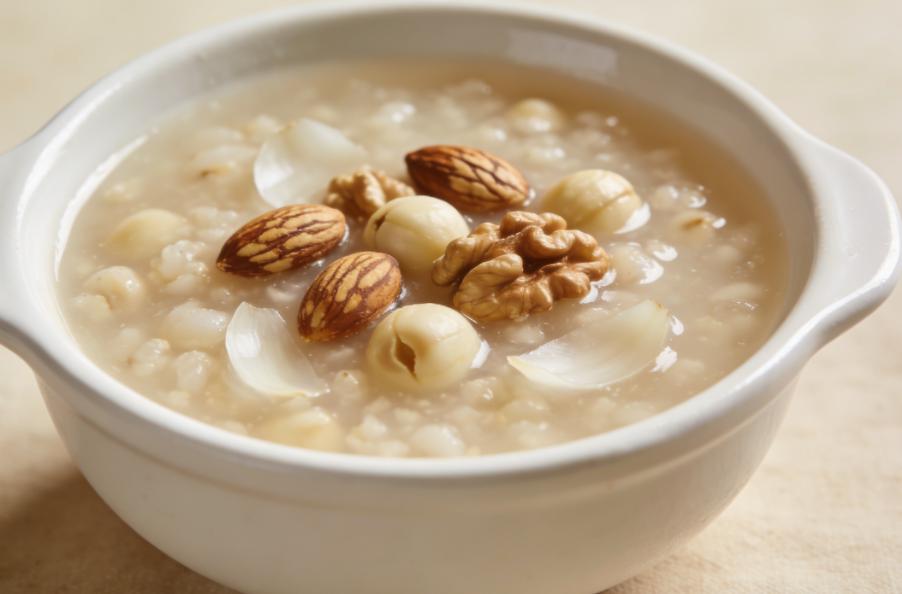
Combination Three: Walnut + Lotus Seed + Lily Bulb – Calming the Mind and Nourishing the Kidneys Edition (Suitable for those under high stress and experiencing poor sleep)
Suitable for sedentary individuals experiencing anxiety, weak back and knees, and insomnia. Walnuts are considered an excellent food for strengthening the kidneys and brain, nourishing the internal organs with remarkable efficacy; lotus seeds are indeed a wonderful remedy for nourishing the heart and calming the mind, soothing both body and spirit with significant effects; lily bulbs are truly a fine ingredient for clearing the heart and moistening dryness, regulating internal vitality and demonstrating their full utility. Each of these three showcases its unique strengths, making them all excellent choices for health preservation.
The specific method is as follows: First, soak the lotus seeds and lily bulbs in water for one hour; then, boil them for twenty minutes; afterward, add the walnuts and continue boiling for ten more minutes. Next, add a small amount of rock sugar to taste. The rock sugar slowly melts in the heat, its delicate sweetness subtly spreading, adding a unique flavor to the whole. Consuming a bowl before bedtime can calm the nerves and aid sleep, while also benefiting the kidneys and consolidating essence.
Three Key Principles for Nourishing the Liver and Kidneys That Are More Important Than What You Eat
In addition to choosing the right combinations, remembering these four principles can double the effectiveness of dietary therapy and help avoid pitfalls:
Differentiate and select combinations: Those who are prone to internal heat should consume more mulberries and lilies, which are ingredients that nourish yin, while reducing intake of warming foods like lamb and longan. Individuals who are sensitive to cold and experience cold hands and feet can add 1-2 slices of ginger to their dietary combination to balance slightly cooling ingredients.
Gradual progression without overindulgence: Dietary therapy should not be pursued in excess; once a day is sufficient. Overconsumption can increase the body’s burden, and consistent adherence for 1-3 months is required to observe noticeable effects

Avoid spicy and irritating foods: During the kidney and liver tonifying period, try to minimize the intake of foods like hot pot, barbecue, and spicy snacks to avoid increasing the detoxification burden on the kidneys and liver
Combining with Lifestyle Habits: Dietary therapy must be paired with a good lifestyle. Aim for at least 7 hours of sleep each night (sleeping before 11 PM is optimal for liver detoxification), exercise three times a week (such as brisk walking, jogging, or Baduanjin), and avoid excessive stress and staying up late. This approach will maximize the effectiveness of dietary therapy.

The essence of dietary therapy lies in "nurturing," not "curing." If you experience significant discomfort, it's important to seek medical attention promptly. Dietary therapy is merely a supplementary approach to support your health. I hope everyone can choose the right methods and use simple dietary practices to nourish healthy livers and kidneys!