Meridian Blockage, Gua Sha Warning? Don’t Ignore These Two Signs After Gua Sha, Adjust Timely
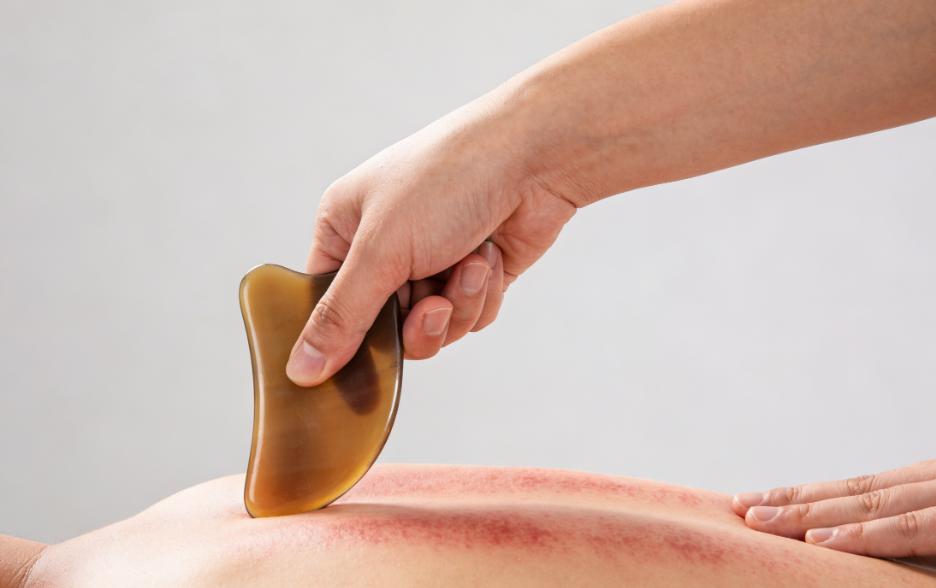
Many people view gua sha simply as a way to "detox." After a session, they focus only on how much sha (petechiae) appears, overlooking the health signals behind it. The meridians serve as the body's "channels for qi and blood." Once they become blocked, the functions of the internal organs can be affected. Unusual reactions after gua sha are precisely the "warnings" issued by the meridians. Today, we'll talk about the normal reactions after gua sha, the signals that require vigilance, and how to scientifically regulate the body.

I. What Reactions After Gua Sha Are Considered Normal?
Many people wonder about "how much sha comes out" and "whether it's effective" after gua sha. In reality, the core of a normal reaction is that it is "mild and gradually fades."
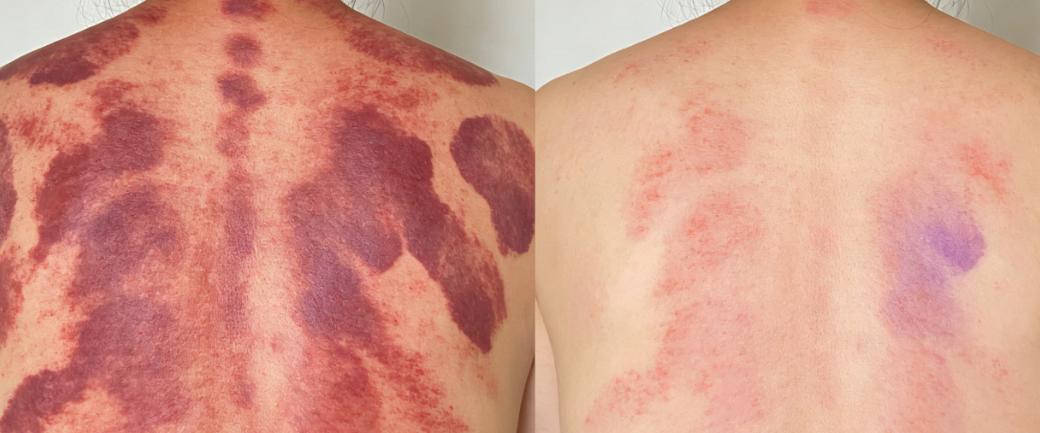
Normal sha color is typically pink, light purple, or purplish-red. Its intensity relates to one's constitution and the pressure applied during gua sha; there's no need to deliberately pursue "more sha." The sha marks will slowly fade within 3-5 days, basically disappearing within a week. During this period, there might be a slight feeling of soreness and distension, similar to muscle soreness after exercise, which does not affect daily activities. Additionally, mild thirst and a slight increase in body warmth after gua sha are also normal. Drinking a cup of warm water to replenish fluids is sufficient; there's no need for excessive worry.
II. These Two Signs After Gua Sha Indicate Meridian Blockage and Need Adjustment
Observing for an extra minute after gua sha can reveal whether your meridians are "sending distress signals." If you notice the following two signs, do not dismiss them as normal reactions—they may indicate severe meridian stagnation:
Dark purple or blackish sha marks that persist for over 7 days without fading: Normally, sha marks gradually fade as qi and blood circulate and metabolize. If the sha appears dark black, deep purple, or even bluish, and does not lighten after more than a week, it suggests significant meridian blockage. This is often related to prolonged sitting, lack of sleep, or emotional suppression, leading to localized qi and blood stasis and slow metabolism.
Intensified localized stinging, burning, or soreness after gua sha that affects movement: Mild soreness is normal, but if the treated area exhibits pronounced stinging, burning pain, or progressively worsening soreness that even interferes with simple movements like raising an arm or bending over, it indicates a "blockage point" in the meridians, hindering the smooth flow of qi and blood.
Additionally, if you experience increased dizziness, fatigue, or frequent drowsiness without restful sleep after gua sha, it may also signal that meridian obstruction is preventing qi and blood from nourishing the internal organs, warranting closer attention.

III. Practical Adjustment Methods for Meridian Blockage, Simple and Easy to Implement
You don't need complex methods to unblock meridians. Incorporating these three daily habits can effectively improve stagnation:
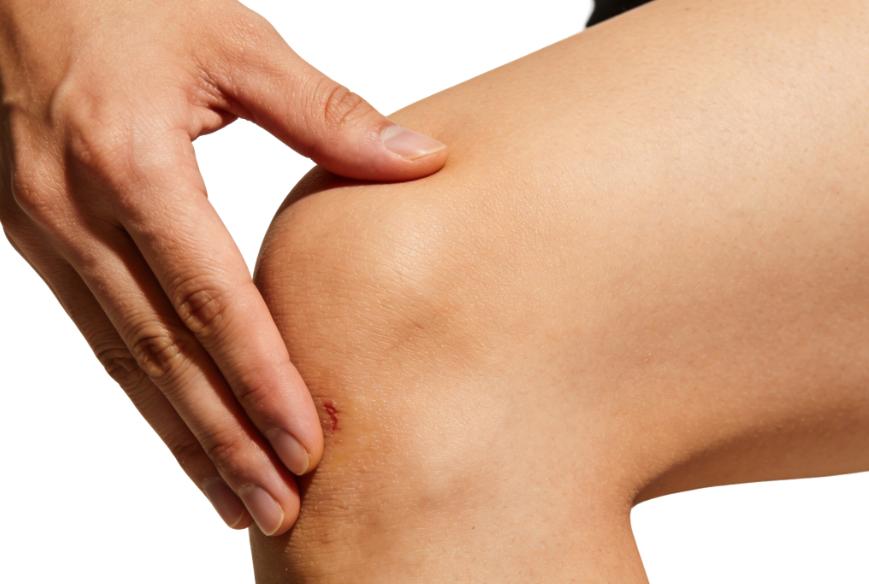
Acupoint massage for daily unblocking: Spend 5 minutes daily massaging Hegu (located on the back of the hand in the fleshy area between the thumb and index finger; press until a sore, distended sensation is felt) and Zusanli (located 3 cun, or approximately four finger-widths, below the knee). Apply pressure to each acupoint for 1-2 minutes with tolerable intensity to promote qi and blood circulation and aid in unblocking the meridians.
Adjust lifestyle habits for root-level prevention: Avoid prolonged sitting; get up and move for 5 minutes every hour, performing simple stretches like chest expansions and waist rotations. Aim to fall asleep before 11 PM to prevent staying up late, which can disrupt qi and blood metabolism. Maintain a light diet by reducing the intake of raw, cold, and greasy foods, and incorporate more spinach, celery, and whole grains to support qi and blood circulation.
Perform Gua Sha Correctly to Avoid Injury: Limit the frequency to once every 1-2 weeks and avoid repeatedly scraping the same area; do not bathe or expose yourself to cold drafts within 4 hours after treatment, and keep warm; drink plenty of water to help with metabolism. If warning signs appear, stop Gua Sha and first adjust through rest and diet. If there is no improvement after one week, consult a professional TCM practitioner for diagnosis and treatment.
Blocked meridians are like "traffic jams" in the body. Identifying early warning signals and taking timely care can prevent minor issues from escalating into major problems. Abnormal signs after Gua Sha are not "detoxification" but rather the body's "reminders." Through daily massage, adjusting routines, and proper Gua Sha, meridians can become unobstructed, Qi and blood flow smoothly, and the body becomes healthier. Maintaining meridian health requires long-term consistency; cultivating good habits is fundamental.