Use This Medication for Gastric Pain and Gastric Ulcers—Repairs Gastric Mucosa, Relieves Heartburn, and Boosts Your Appetite
The "stomach" of modern individuals often appears surprisingly vulnerable. We constantly oscillate between "enduring a bit more and it will be fine" and "taking a random pill," seldom considering the need to provide our injured stomachs with a layer of "protective armor." If you are tormented by gastric pain, bloating, or heartburn to the point where food has lost its taste—or even if you have been diagnosed with a gastric ulcer and are frustrated by its slow healing—the "gastric guardian" I am introducing today might just be the long-sought answer you have been looking for.
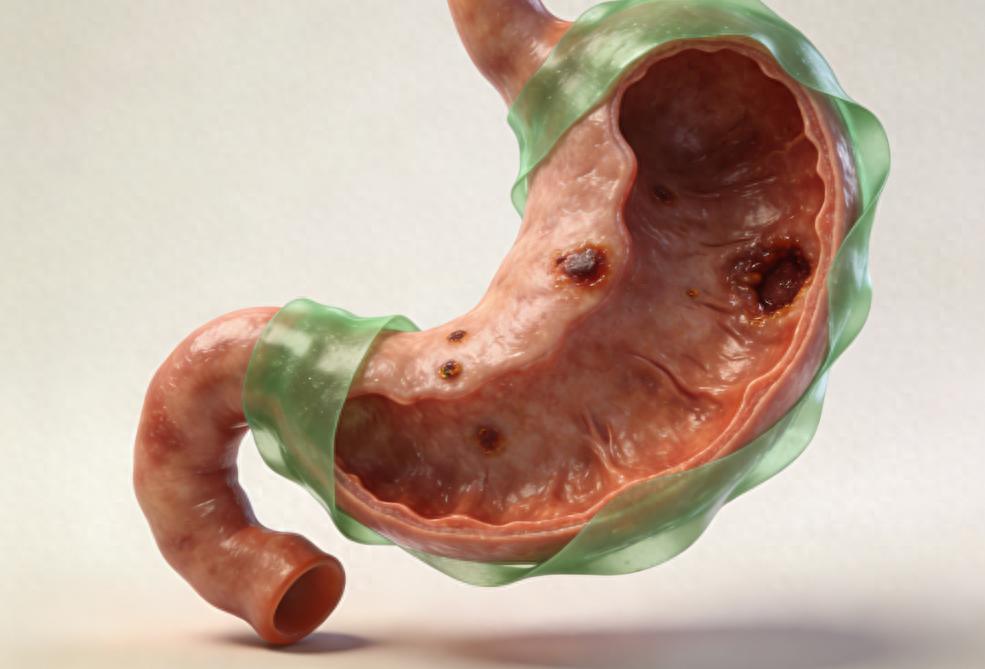
First, let us discuss why your stomach never seems to fully recover. Frequently, our approach to treating stomach ailments is overly "simplistic and heavy-handed." We take painkillers for gastric pain and acid-suppressing medications for acid reflux. At first glance, this approach appears sound; however, a deeper analysis reveals that it merely addresses surface symptoms without tackling the root cause, essentially offering a temporary fix rather than a permanent solution. The gastric mucosa is as delicate as the tissue inside our mouths—if not even more sensitive. When the corrosive gastric acid and the digestive enzyme pepsin become unregulated, they act like a double-edged sword. While breaking down food, they also subtly turn their "edge" toward your stomach wall, eroding this vital organ. This is the root cause of recurrent gastric ulcers and gastritis—the protective layer is breached, and before new wounds have a chance to heal properly, they are corroded again by acidic fluids.

Therefore, the key to treating stomach problems lies not merely in "turning off the faucet" of gastric acid, but more importantly in applying a "band-aid" to the stomach wall, allowing it to repair itself quietly under a protective umbrella. This brings us to a uniquely distinguished drug in the field of gastrointestinal mucosal protection: Polaprezinc Tablets.
Compared to widely known medications such as aluminum magnesium carbonate or omeprazole, Polaprezinc Tablets employ their own distinctive "gentle strategy." Instead of directly neutralizing all gastric acid or forcefully suppressing its secretion, they adopt a smarter, dual physical and chemical defense mechanism. Upon ingestion, the active ingredient polaprezinc quickly spreads throughout the gastrointestinal tract, as if laying down a protective curtain, acting efficiently and promptly. Imagine the gastric mucosa, originally red, swollen, congested, and possibly ulcerated, suddenly being covered by a dense and resilient protective film. This film acts like custom-made body armor for the stomach, sealing it off meticulously from aggressive gastric acid and pepsin—like an impregnable fortress, building an unbreakable line of defense.

Yet, this is not the most remarkable aspect of Polaprezinc Tablets. They not only "block" but also proactively "prevent." Within the stomach, polaprezinc forms a special pepsin complex. This action cleverly reduces the erosive power of pepsin on the gastric mucosa, akin to putting protective covers on a beast's sharp claws, thereby significantly minimizing secondary damage to the stomach wall.
Beyond "defense," Polaprezinc Tablets also excel at "repair." This touches upon a slightly more technical but crucial concept—Prostaglandin E2 (PGE2). There's no need to memorize complex chemical formulas; just know that PGE2 is the "chief engineer" of gastric mucosal self-repair. Polaprezinc Tablets significantly increase the concentration of PGE2 in gastric fluid. When PGE2 is abundant, it optimizes the microcirculation of the gastric mucosa, directing a greater flow of nutrient-rich blood toward the injured area to aid recovery. This is like channeling water and fertilizer to parched land—naturally accelerating the pace of cell regeneration and allowing ulcerated areas to heal more rapidly.

When you consistently follow the prescribed course, you’ll find that the once-familiar feeling of "bloating after just one bite" disappears, replaced by a long-missed sense of hunger. As the gastric mucosa is repaired, inflammation subsides, and gastric motility returns to normal, you’ll naturally regain your "big appetite" and enjoy every meal again. Whether it’s the dull pain caused by chronic gastritis, the severe pain brought on by peptic ulcers, or the heartburn resulting from reflux esophagitis, Sucralfate Tablets can provide their unique mucosal protective effects.
Of course, even the best medicine has its contraindications and precautions. Although doxofylline and succinate tablets are relatively mild in nature, if you are already clearly allergic to any component of this product, you must not use it to avoid adverse consequences. In addition, for special groups, such as pregnant mothers and women who are breastfeeding, although there are currently no clear reports of serious side effects, for the absolute safety of the baby and themselves, it is essential to decide whether to use them under the professional guidance of a doctor, and never self-medicate.
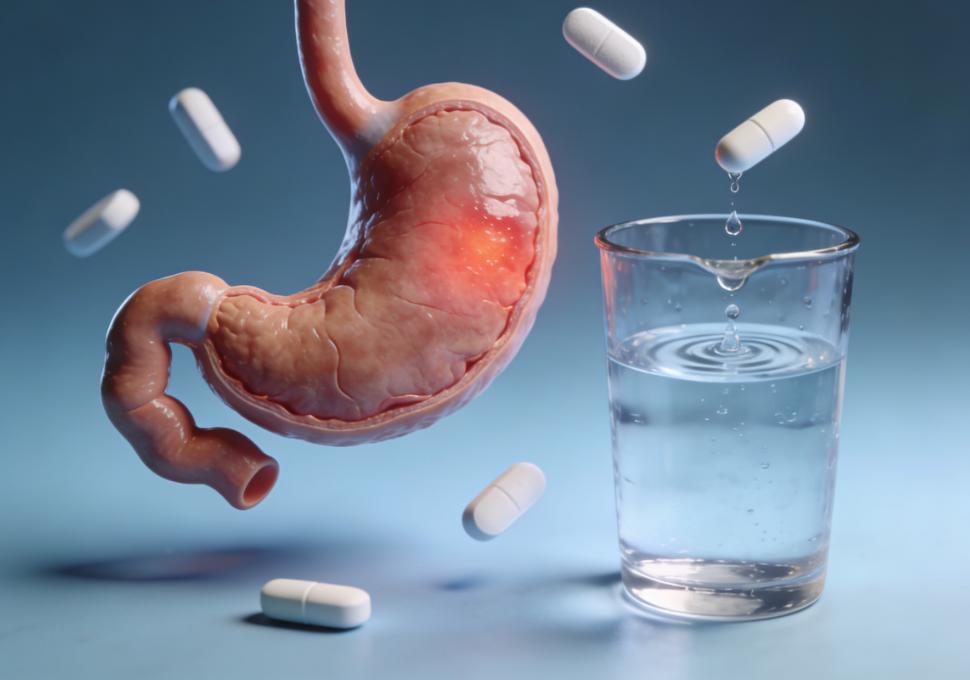
Life should not be held hostage by stomach pain, and food should not become a burden. Rather than regretting not taking care of yourself every time you have a stomachache, it's better to start focusing on the repair of the gastric mucosa now. Give your stomach some time and a layer of protection, and it will reward you with stronger digestive capabilities. I hope that every friend troubled by stomach problems can soon bid farewell to heartburn and pain and enjoy the happy moments of eating heartily.
This article aims to provide knowledge about related medical topics for educational purposes. The content is for reference only and does not constitute any specific medical advice or treatment plan. The effectiveness of any medication varies from person to person, especially concerning the use of prescription or over-the-counter drugs such as polysilane succinate tablets. Be sure to consult a professional physician or pharmacist at a reputable hospital and strictly follow medical advice or instructions for use to avoid adverse consequences.