Is Acupuncture Reliable for Regulating the Body? 3 Rumors Not to Believe Blindly, This Article Clarifies the Truth Behind Them
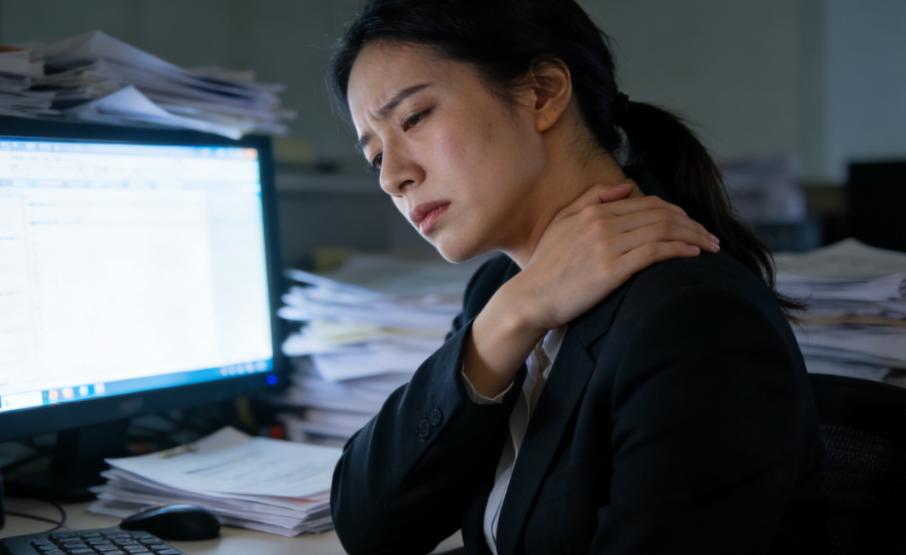
Nowadays, prolonged sitting, staying up late, and high stress have become the norm, with issues like shoulder and neck pain, insomnia with frequent dreaming, and fatigue becoming increasingly common. Many people are unwilling to rely on medication or injections, turning instead to traditional therapies like acupuncture. However, debates about its effectiveness have never ceased—some claim it delivers immediate results, while others dismiss it as pure “pseudoscience.” So, how reliable is acupuncture as a therapy? Are the widely circulated claims true? Today, we’ll explain the truth in simple terms.
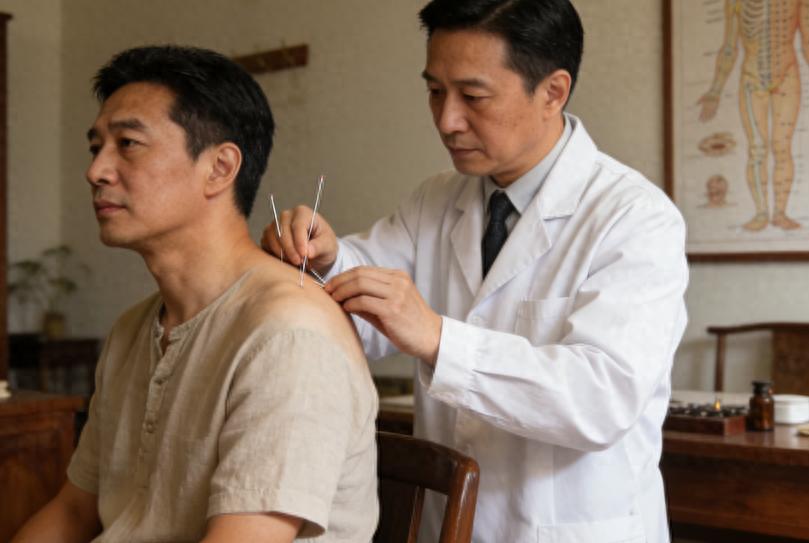
I. Is Acupuncture Based on Evidence? It's Not "Mysticism" but Scientifically Adapted
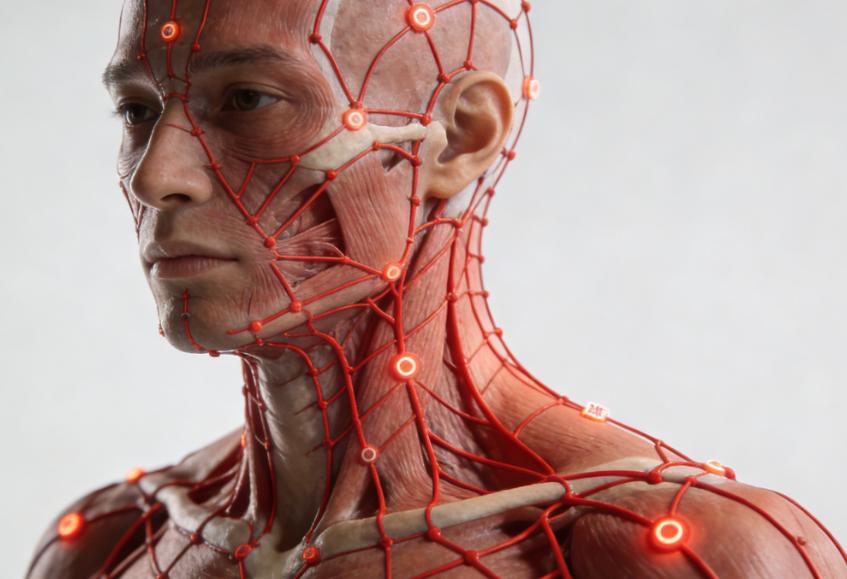
Many people consider acupuncture's approach of "treating illness with needles" as quite mysterious, but in reality, the core logic is quite straightforward. Traditional Chinese Medicine believes that the body's meridians act like "channels for qi and blood." Prolonged sitting, exposure to cold, high stress, and other factors can block these channels, leading to discomfort. By stimulating specific acupuncture points, acupuncture functions as "unclogging the channels," helping qi and blood circulate smoothly and allowing the body to restore its balance.
From a modern medical perspective, the effects of acupuncture have also been verified: stimulating acupoints can promote the secretion of endorphins in the body, relieving pain and improving mood; it can also regulate the nervous system, enhance local blood circulation, and provide supportive conditioning for chronic discomfort such as shoulder and neck strain and sleep disorders. However, it is important to clarify that acupuncture serves as "conditioning" rather than "treatment" and cannot replace formal medical interventions.
II. Don’t Blindly Believe These 3 Common Rumors—These Misconceptions Can Lead You Astray
Rumors about acupuncture abound, and many people either blindly praise it or outright reject it due to misinformation. The truth behind these three most common claims is quite straightforward:
Rumor 1: Acupuncture can cure all diseases, and treat any condition
This is an over-exaggeration of acupuncture's capabilities. The scope of acupuncture has clear boundaries; it is more effective for alleviating musculoskeletal discomfort (neck, shoulder, back, and leg pain, joint soreness), neurological regulation issues (insomnia, anxiety, migraines), and mild digestive discomfort (bloating, indigestion). For acute illnesses or organic diseases (such as tumors, fractures, or serious internal organ conditions), acupuncture has no therapeutic effect and may even delay proper treatment.
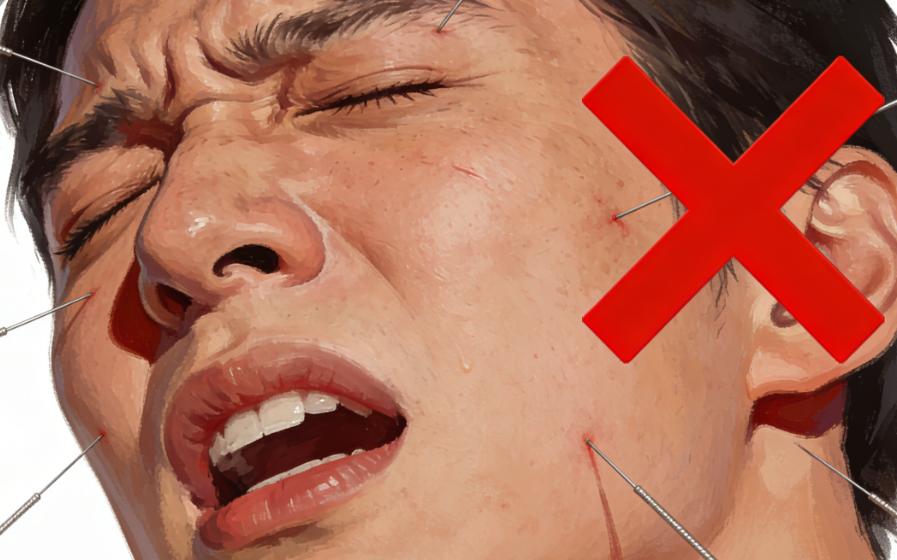
Rumor 2: The more painful the acupuncture, the better the results—if it doesn’t hurt, it’s ineffective
This is completely incorrect! The key to acupuncture is achieving "de qi," the sensation of soreness, numbness, or swelling that occurs after needle insertion. This is the normal response to stimulating the acupuncture point and has nothing to do with pain. Pain usually results from inaccurate point location, improper needle angle, or personal tension, which not only doesn’t enhance effectiveness but may also cause physical resistance. A professional acupuncture procedure should only produce a mild sensation of soreness or swelling—never judge its effectiveness by whether it hurts.
Rumor 3: Acupuncture has side effects and needling can harm the body
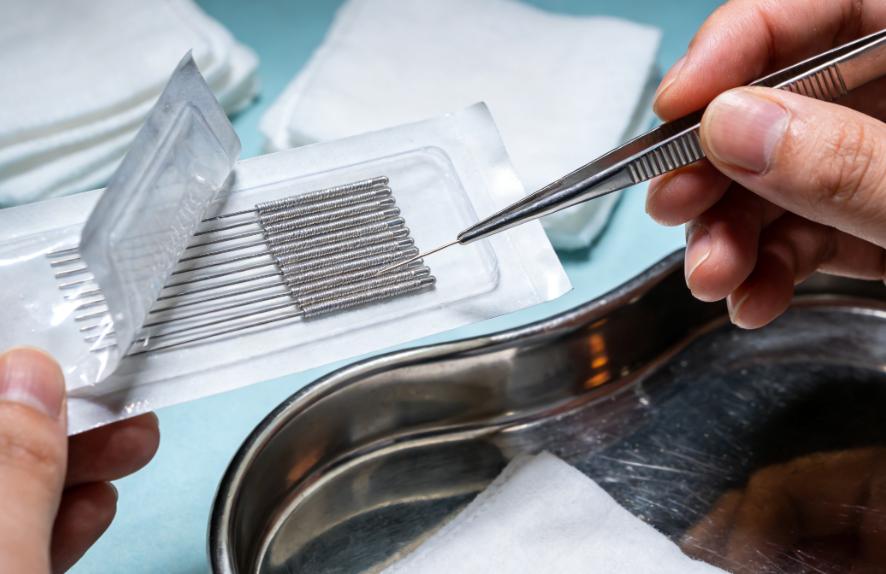
If standard operating procedures are strictly followed, acupuncture is considered relatively safe. As a traditional therapy, proper needling techniques can minimize risks, allowing people to feel relatively secure in using this method for health maintenance. Reputable institutions use single-use, sterile needles to prevent cross-contamination; professional practitioners accurately locate acupuncture points while avoiding blood vessels, nerves, and internal organs, ensuring no harm is caused. The so-called "side effects" often occur in unregulated small clinics—where repeated use of needles leads to infections, or unqualified practitioners cause skin injuries during improper procedures. The risk does not originate from acupuncture itself but rather from the choice of acupuncture institutions and practitioners. Therefore, careful selection of institutions and practitioners is essential to avoid potential risks.

Three, The Right Way to Use Acupuncture for Body Regulation—4 Tips to Ensure Your Money Isn’t Wasted
If you want to try acupuncture for health regulation, don’t follow trends blindly. Keep these 4 points in mind for safety and effectiveness:
Define the appropriate scope: First, confirm that your need is to relieve chronic discomfort rather than treating serious illnesses, and avoid holding unrealistic expectations.
Identify formal channels: Choose qualified traditional Chinese medicine hospitals and authorized clinics. Practitioners must hold a valid medical license. Avoid unlicensed small workshops and mobile practitioners.
Adopt a healthy lifestyle: Acupuncture cannot replace healthy habits. During the treatment period, avoid prolonged sitting, staying up late, and exposure to cold. Engage in moderate exercise (stretching, walking) and maintain a light diet to ensure lasting effects.
Contraindications to note: Caution should be exercised when attempting acupuncture for pregnant women, individuals with skin lesions or inflammation, those with suboptimal coagulation function, and those in a state of extreme physical weakness. It is advisable to consult a professional physician beforehand.
Acupuncture, as a traditional wellness method passed down for thousands of years, has its scientific basis, but it is neither a "magic cure-all" nor a "terrible threat." The key is to approach it rationally and not be misled by rumors.