Massage Therapist Reminds: These 4 Areas of Body Aches Can Be Relieved Through Massage, Find the Right Method to Suffer Less
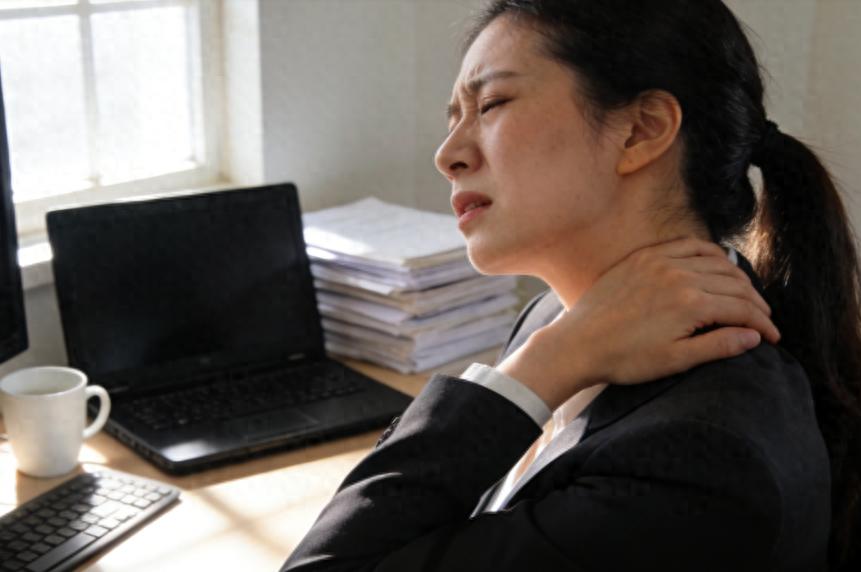
Office workers, stay-at-home moms, and students are almost all plagued by body aches at some point. Stiff shoulders and neck, as well as soreness in the waist and back, are very common. Though not serious illnesses, they significantly impact daily life. In fact, with the right approach, massage can effectively alleviate these discomforts.
I. Core Principles of Massage for Relieving Soreness: It's Not Just "Random Pressing," It Has Scientific Basis
Many people think massage is just about "feeling comfortable," but it actually has solid principles behind it. Firstly, massage can relax tense muscles, much like loosening a tightly stretched rubber band. When muscles are no longer stiff, the pressure on surrounding blood vessels and nerves is reduced, naturally easing the soreness. Secondly, the kneading and pressing motions during massage promote local blood circulation, helping the body expel waste such as metabolic byproducts like lactic acid and inflammatory factors more quickly, eliminating the root causes of soreness. Additionally, massage can stimulate the body to release endorphins, a natural "painkiller" produced by the body, which can make people feel naturally relaxed and comfortable while reducing sensitivity to pain.
However, it’s important to note that massage isn’t about applying more force; the key is "gentle penetration," ensuring the pressure reaches the tense muscle layer rather than pressing hard against bones or skin. Otherwise, not only will it be ineffective, but it may also cause harm. Whether massaging yourself or helping a family member, use "mild soreness without sharp pain" as the standard to ensure it is effective.

The key to alleviating discomfort through massage is relaxing stiff muscles and improving qi and blood circulation. You can easily do this at home: Start by sitting up straight. Use the base of your palm to slowly knead from the base of your neck along the direction of the shoulders, applying just enough pressure to feel mild soreness—avoid using excessive force. Spend 3–5 minutes kneading each shoulder. Then, press the Jianjing acupoint (located in the depression between the shoulder and neck) with your fingers. Press for about 1 minute, release, and repeat three times. Consistently doing this daily can effectively relieve tension and soreness in the shoulders and neck. Also, remember to take a break and move around every hour during your daily routine.
II. Precautions for Home Massage: Doing These Wrong May Make It Worse
Performing self-massage at home is both convenient and cost-effective, but if done incorrectly, it can easily backfire.
First, it's essential to identify contraindicated groups: not all aches and pains can be self-massaged. If the painful area shows signs of redness, swelling, or warmth, or if the pain is suspected to be caused by fractures, dislocations, tumors, or other serious issues, self-massage must be avoided at all costs. In such cases, it is crucial to seek medical evaluation first.
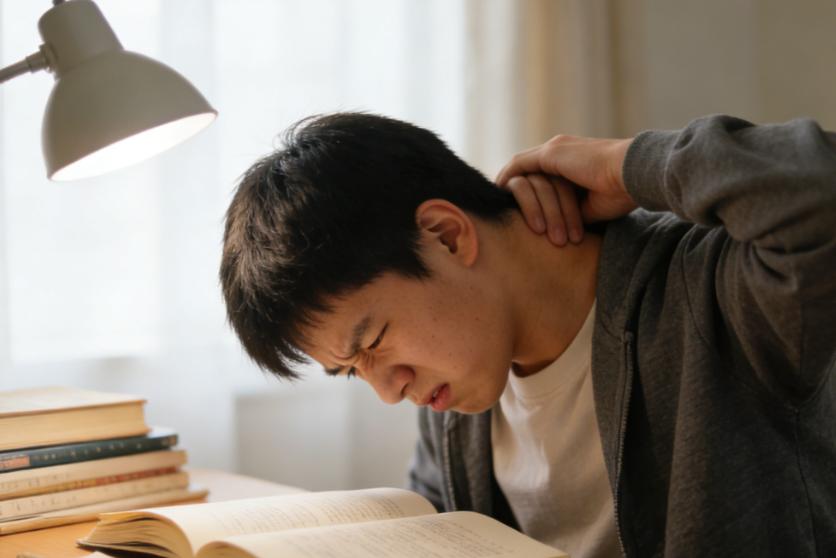
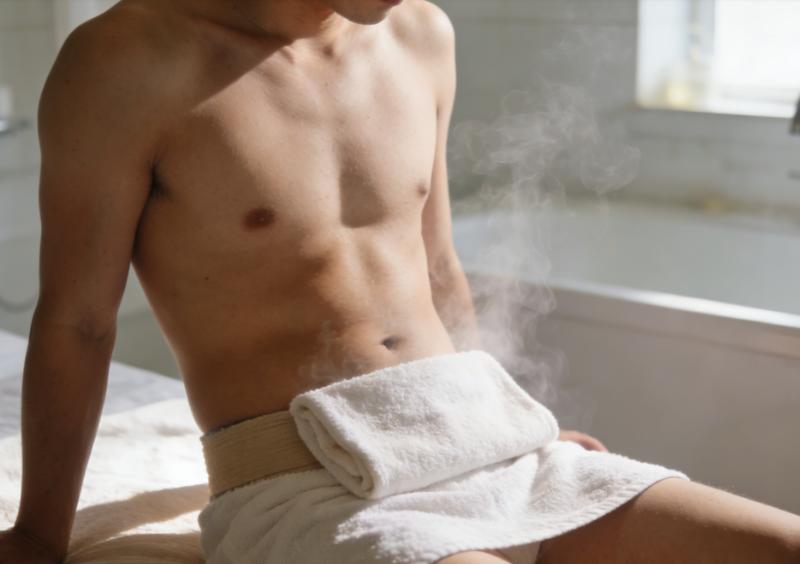
Second, it's advisable to prepare properly before massaging: taking a warm bath or applying a hot towel to the sore area can help relax the muscles, making it easier for the massage pressure to penetrate and reducing discomfort during the process. While massaging, consider applying a small amount of essential oil, lotion, or powder to minimize friction between the skin, thereby preventing damage from rubbing and enhancing comfort during the massage. Additionally, it's important to control the duration of the massage: 3-5 minutes per area is sufficient, and the entire session should not exceed 20 minutes. Over-massaging can lead to muscle fatigue and worsen the pain.
Finally, remember that massage is a relief method, not a fundamental treatment. If the pain is caused by long-term poor posture, it is crucial to adjust your posture promptly after the massage; otherwise, the discomfort will likely recur. If there is no improvement in pain after a week of continuous self-massage, or if the pain worsens, it is essential to seek medical attention promptly.
Third, Targeted Tuina Techniques for Four Common Types of Soreness: Easily Performable at Home
Here are 4 targeted massage techniques for common aches, simple and easy to perform, whether for self-care or assisting family members.
(I) Neck and Shoulder Soreness: The "Top Concern" for Sedentary Workers
Prolonged sitting with head lowered can easily lead to neck and shoulder soreness, and in severe cases, dizziness and hand numbness. Relief method: Use the heel of the palm to knead from the base of the neck to the shoulders, 3–5 minutes per side; press the Jianjing (GB21) acupoint for 1 minute, repeat 3 times. Lifting the head and moving around every hour can help reduce discomfort.
(II) Lower Back Soreness: A "Common Issue" for Mothers and Office Workers
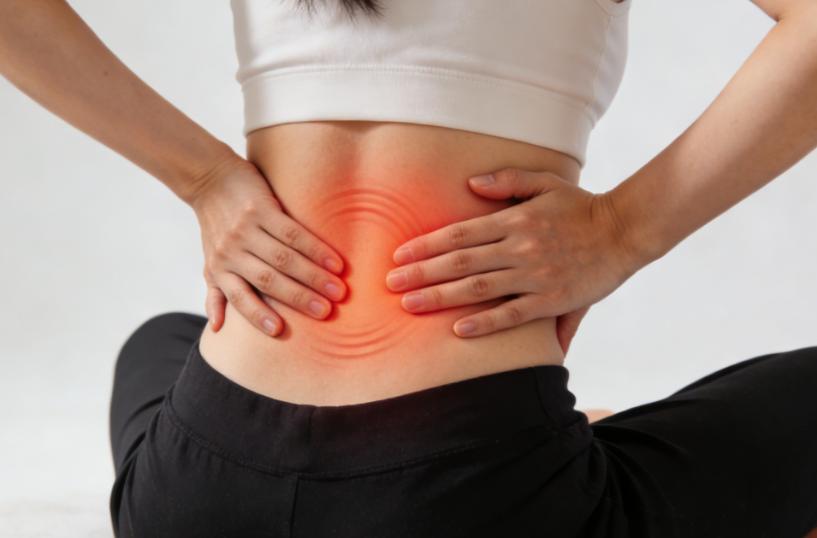
Moms carrying babies and office workers sitting for long periods easily experience lower back soreness. Relief method: Rub the lower back with palms until warm, then press the Shenshu acupoint for 1-2 minutes; use a lumbar cushion when sitting, and rely on arm strength when carrying babies to reduce strain on the lower back.
(3) Calf Soreness: The "Dilemma" for Athletes and Those Who Stand for Long Periods
After exercise or prolonged standing, the calves often become prone to soreness. This is mostly attributed to the buildup of lactic acid, which causes discomfort in the legs. Appropriate daily relaxation can help alleviate such soreness. The relief method is as follows: gently massage the calves upward from the ankles with the palms, continuing for about five minutes on each side; then press the Zusanli (ST36) acupoint for about one minute. This can effectively relieve discomfort. When soreness is pronounced, a warm compress may be applied first.
(4) Wrist Soreness: The "New Annoyance" of Head-Down Phone Users and Office Workers
Prolonged use of electronic devices easily leads to wrist soreness. Relief methods: Using the thumb and index finger, massage from the wrist root to the forearm for 3 minutes on each side; rotate the wrists 5 times clockwise and 5 times counterclockwise. Additionally, move the wrists every half an hour.
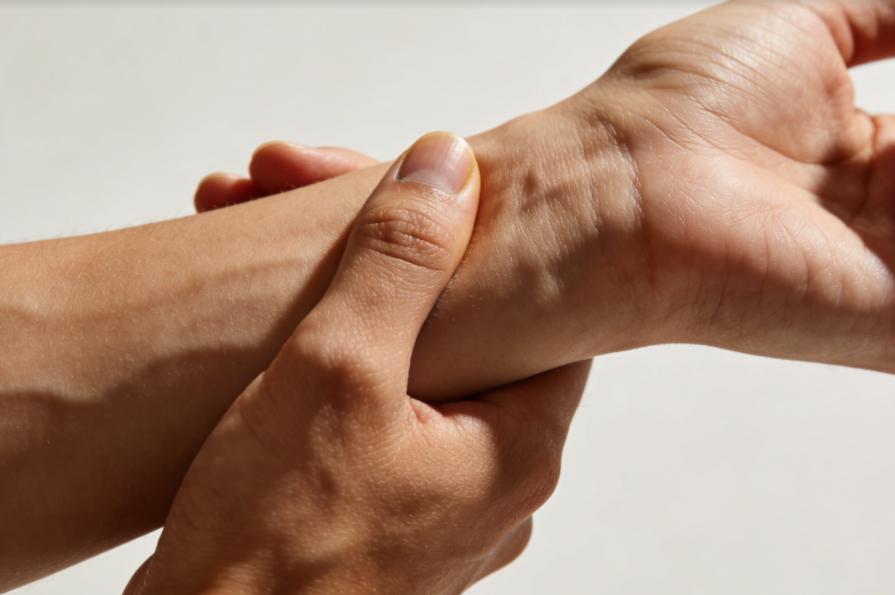
These pains are the body's "warning signals." By mastering the above massage techniques, you can relieve discomfort at home and even strengthen family bonds.