Should You Choose Short-Term or Long-Term Moxibustion Therapy? Doctor's Advice: Gradual Progression, Protects Organs More Lastingly
When it comes to moxibustion, people often fall into two extremes: either pursuing "immediate results" by performing moxibustion daily for over an hour each time, hoping to resolve long-standing issues in just a few days, or practicing it sporadically—only doing it occasionally without any consistency. In fact, this is much like tending to plants: watering them too frequently can cause root rot, while neglecting them for too long will lead to withering. Moxibustion requires "supplying according to need and progressing step by step," which aligns better with the constitution characteristics of Chinese individuals.
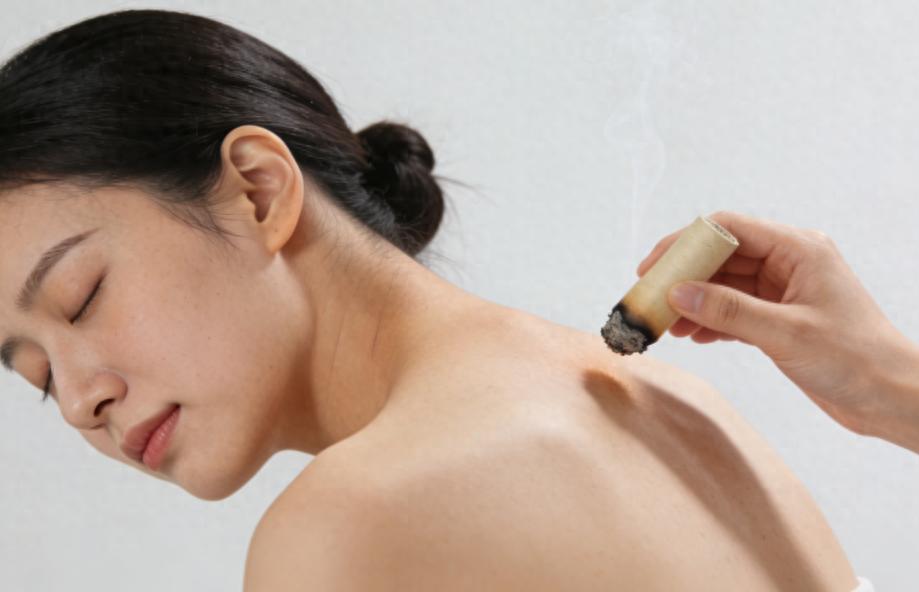
I. Short-Term Moxibustion: Useful for Emergency, Harmful in the Long Run
Short-term intensive moxibustion is only suitable for "emergency situations," such as sudden colds, unbearable menstrual cramps, or back and shoulder pain after prolonged sitting. In such cases, performing moxibustion 1–3 times can quickly disperse cold, relieve pain, and alleviate discomfort, akin to "providing temporary energy" for the body.
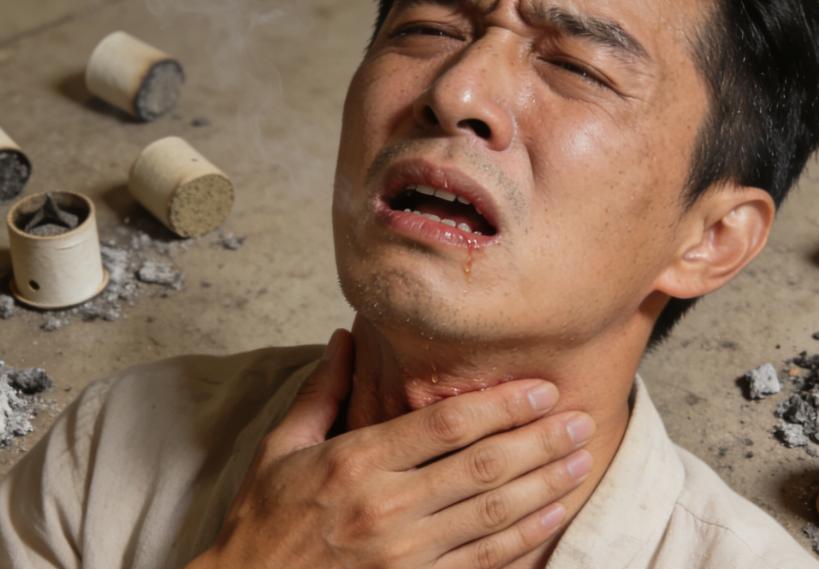
However, never mistake short-term intensive moxibustion for daily wellness practices. Moxibustion relies on the warming power of mugwort fire to unblock meridians and regulate qi and blood. For most individuals with a neutral or constitutionally weak physique, excessive moxibustion is like "wearing too many layers of clothing," which can lead to excessive internal heat and symptoms of "heatiness," such as dry mouth, sore throat, and constipation. Individuals with a yin-deficient constitution must be especially cautious, as excessive moxibustion can deplete body fluids and worsen weakness. Additionally, stimulating too many acupoints in a single session can overwhelm the body and may cause skin burns or allergic reactions. Remember: short-term moxibustion is for "emergency relief," not "long-term wellness."
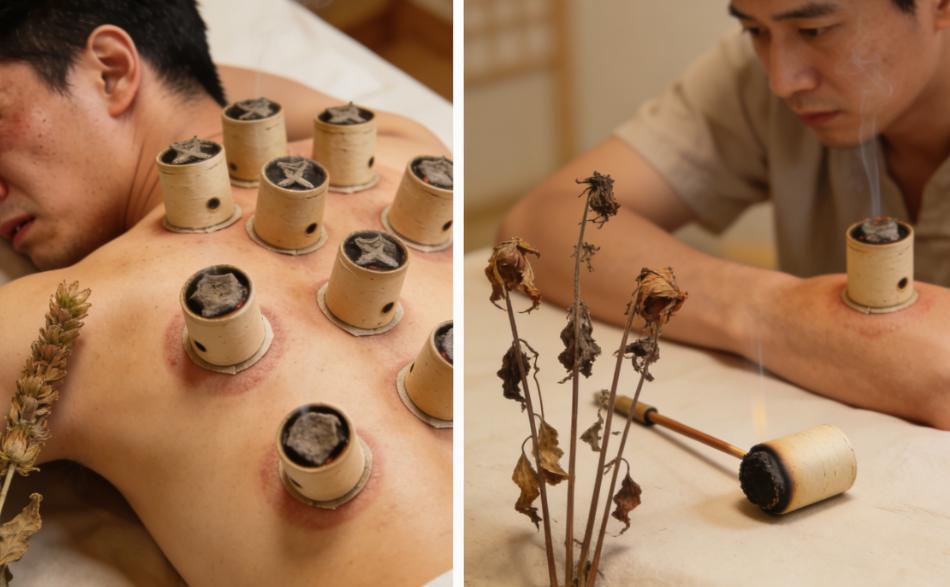
II. Long-Term Therapy: Gradual Progression, More Stable Organs
What truly protects the body is "consistent and moderate" long-term moxibustion. Here, "long-term" does not mean daily practice but rather treating it like regular meals and sleep, allowing the body to gradually adapt and restore its functions for more enduring effects.
Three Core Principles for Long-Term Moxibustion, Easy to Remember and Apply:
Frequency "Do Not Overdo It": For healthy individuals or those undergoing chronic conditioning, 2-3 times per week; for those with deficiency constitution or sensitivity to cold, increase to 3-4 times per week. Never perform moxibustion daily, allowing ample recovery time for the body.
Duration "Just Right": 10-15 minutes per acupuncture point, with a total session duration of 30-40 minutes. Avoid pursuing "the longer, the better" to prevent skin burns and depletion of bodily fluids.
Acupoints "Few but Precise": Select only 2-3 key acupuncture points per session. For example, choose Zhongwan (CV12) and Zusanli (ST36) for digestive regulation, or Dazhui (GV14) and Jianjing (GB21) for neck and shoulder conditioning. Focusing on key points yields better results than indiscriminately targeting many points.
Over the long term, people who are prone to feeling cold will experience warmer hands and feet, as well as improvements in digestion and sleep. This type of root-level enhancement of one's constitution holds more significance than temporary relief of discomfort.
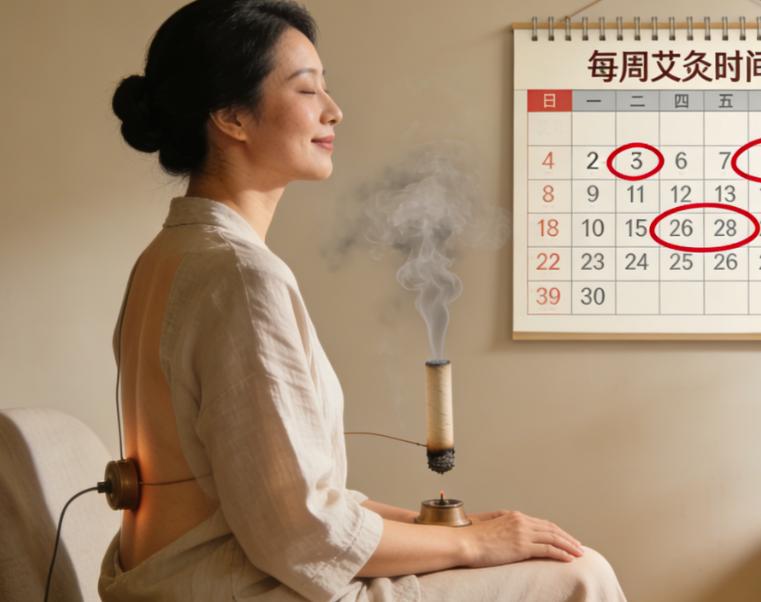
Three. Moxibustion Rhythm for Different Populations: Effective Only When Tailored to Symptoms
There is no "one-size-fits-all" standard for moxibustion; different groups should adjust the frequency and intensity:
Office workers (neck and shoulder discomfort, high stress): Twice a week, 30 minutes each session, targeting Dazhui (GV14), Jianjing (GB21), and Zusanli (ST36). Avoid after staying up late or on an empty stomach. After moxibustion, do not immediately expose to air conditioning or drink cold water.
Middle-aged and elderly individuals (joint sensitivity to cold, weak digestion): Three times a week, 25-30 minutes each session, targeting Zhongwan (CV12), Guanyuan (CV4), and Sanyinjiao (SP6). Start with once a week to adapt, and avoid excessive internal heat buildup.
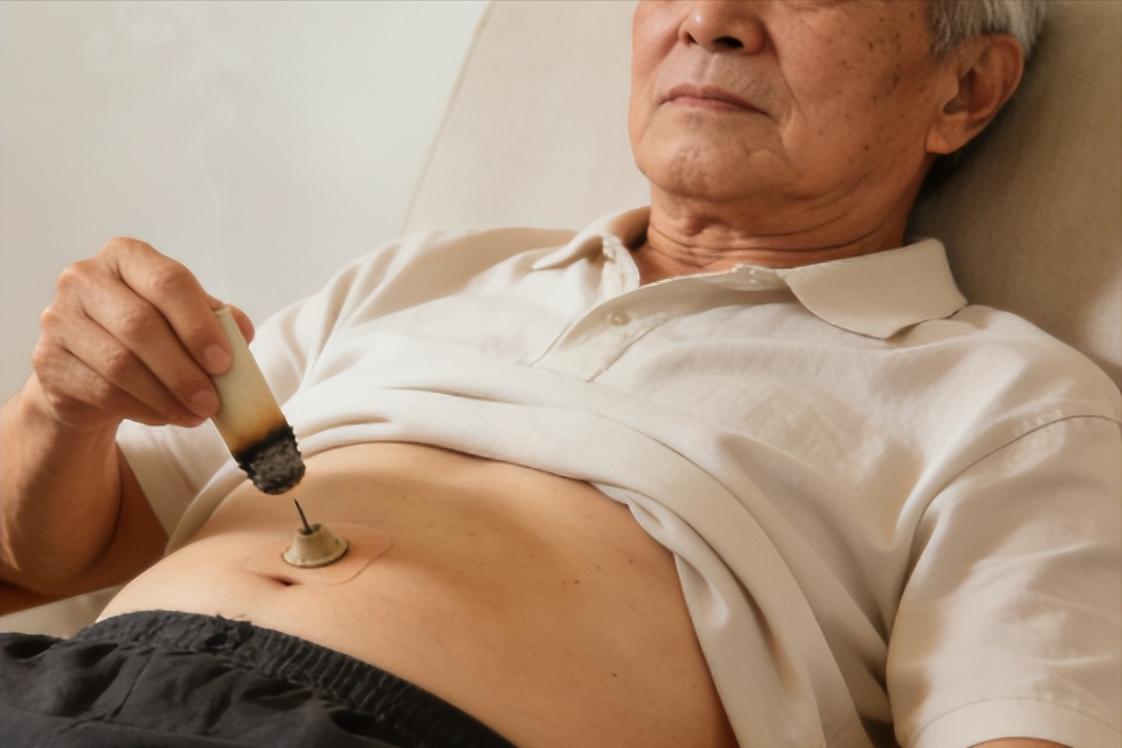
Women (uterine coldness, menstrual discomfort): Outside of menstruation, 2-3 times a week; during menstruation, one emergency session may be applied for dysmenorrhea, targeting Guanyuan (CV4), Qihai (CV6), and Zusanli (ST36). Do not perform moxibustion during heavy menstrual flow.
Individuals with a constitution prone to heat (easily develop heatiness or acne): Once a week is sufficient. Choose acupoints such as Yongquan and Taixi, and keep the moxibustion slightly farther away.
Final reminder: Avoid these pitfalls
Do not pursue “the hotter, the better.” Moxibustion should be performed with “gentle, mild heat” to avoid burns.
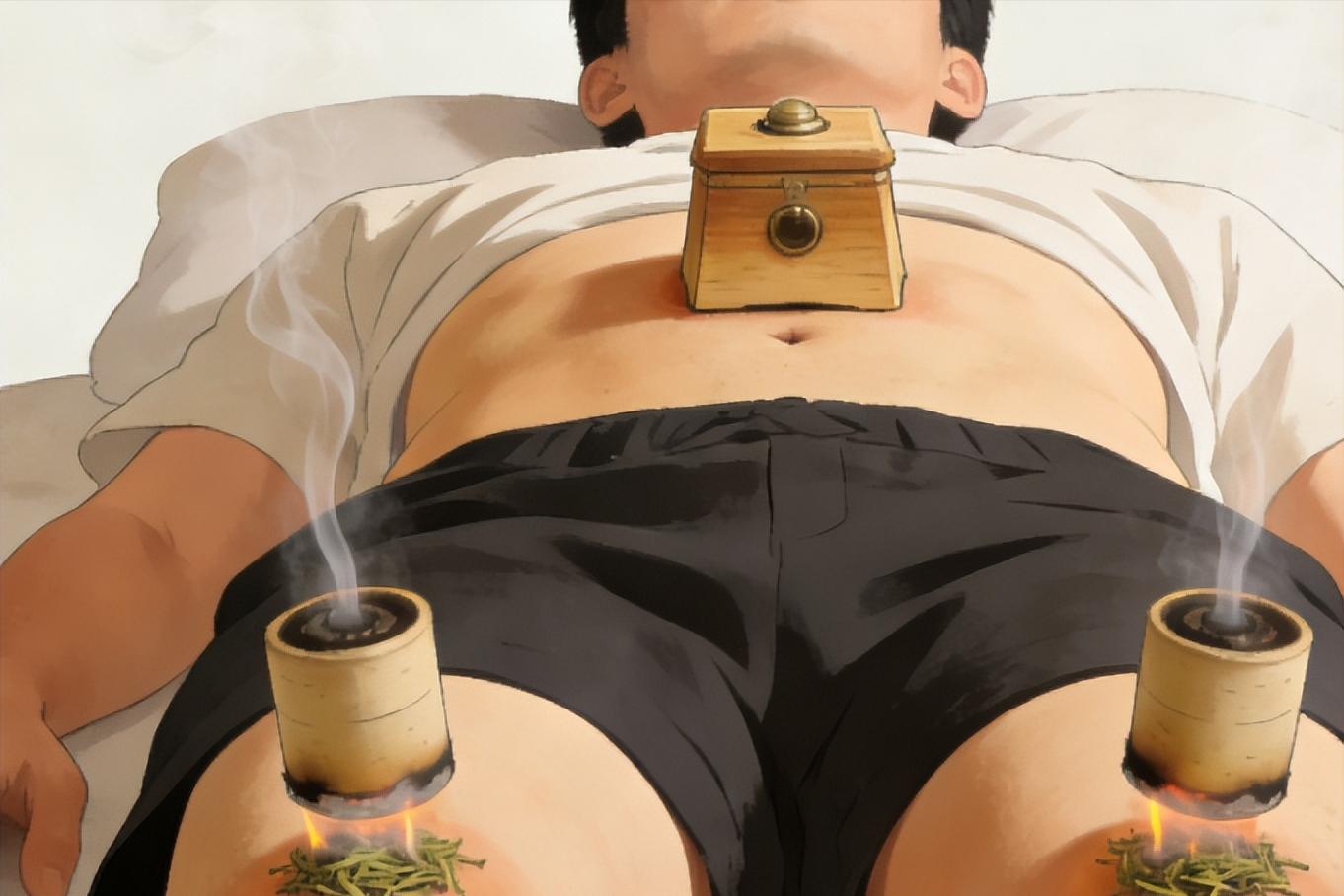
Take a warm bath 1-2 hours after moxibustion to prevent cold from entering the body
Pregnant women, individuals with acute inflammation, those with skin lesions, and people with a tendency to bleed are not suitable for moxibustion.
Pairing moxibustion with a light diet and regular daily routines will double its effectiveness.
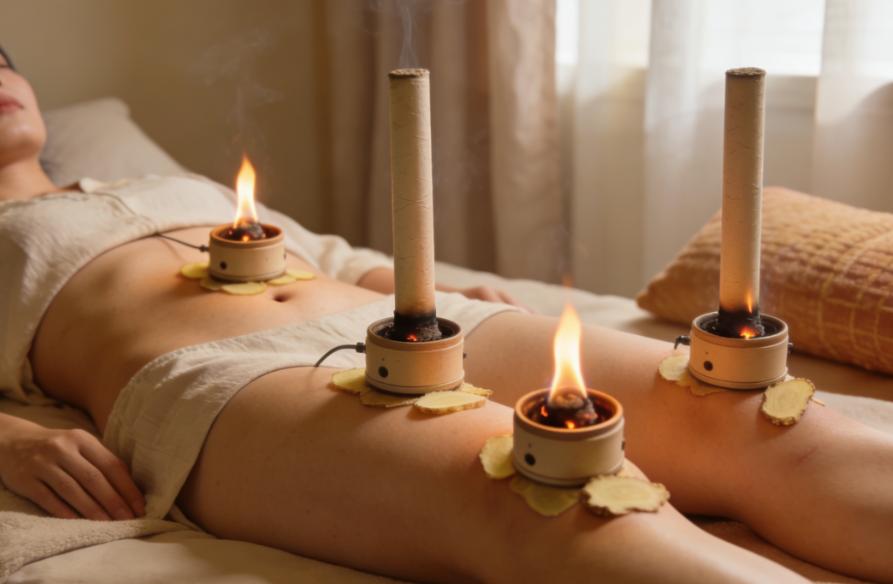
Moxibustion therapy is like farming; short-term intensive treatment is "pulling seedlings to hasten growth," while long-term regularity is truly "watering and fertilizing." We Chinese emphasize the "doctrine of the mean" in health regulation—neither rushing for quick results nor being lazy, but progressing step by step with persistence. This approach allows the functions of the internal organs to become increasingly stable, and the body naturally becomes healthier. If you’re unsure about frequency, consider starting with twice a week for a month, and you’ll gradually find the rhythm that suits you best.