Diarrhea, a Result of Spleen and Kidney Yang Deficiency. Use This Traditional Chinese Patent Medicine to Warm Yang and Strengthen the Intestines, Alleviate Chronic Diarrhea, and Soothe the Spleen and Stomach.
In our daily lives, we often encounter people who, after a slight misstep in consuming cold, oily foods, or even just a bit of cold wind on their abdomen, find themselves urgently heading for the restroom. Such fragile digestive systems are clearly evident. This recurring, persistent diarrhea not only torments the body but also feels like a psychological burden, causing constant worry when going out, fearful of not finding a restroom in time.

Many may wonder: I’ve been to the hospital, had a colonoscopy, and stool tests, but the doctor said there’s no obvious bacterial infection, nor is it an acute inflammation. After taking antibiotics for several days, there wasn’t much improvement. Why is this? From the perspective of Traditional Chinese Medicine, the root cause of such chronic, recurring diarrhea that is hard to cure is not "bacteria" at work. Rather, it stems from a deficiency of "yang energy" within the body, particularly insufficient yang energy in the spleen and kidneys.
Traditional Chinese Medicine often says, "The spleen governs transportation and transformation, while the kidneys govern warming." It is helpful to think of the human spleen and stomach as a cooking pot responsible for transportation and transformation. Kidney yang is like the fire burning vigorously beneath the pot, providing intense heat. In this intense heat, it continuously supplies power for the spleen and stomach's transportation and transformation, offering warm and nourishing support to aid their orderly functioning. To transform ingested food into nutrients the body can absorb, similar to cooking rice, one cannot do without a fully functional pot (corresponding to a robust spleen) and, more importantly, a vigorous fire beneath the pot (symbolizing abundant kidney yang).
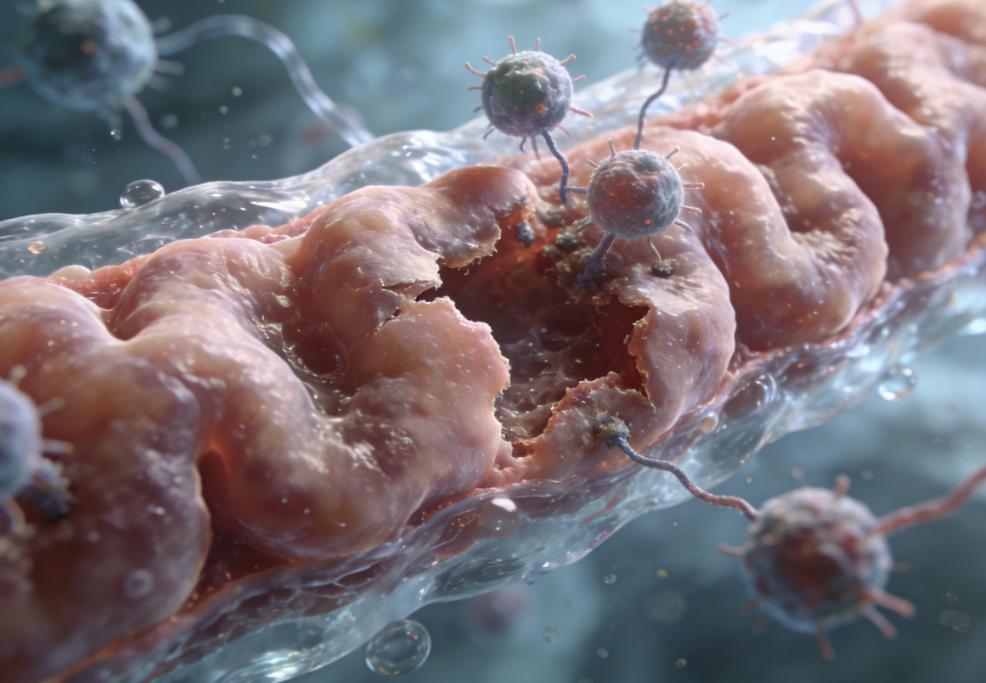
If a person's spleen and kidney yang qi is weak, it's as if the fire beneath the pot is about to go out, or the flame is too small. At this point, no matter how much rice and water (food) you pour into the pot, it ultimately cannot be properly cooked. These "half-cooked grains" accumulate in the intestines and stomach, and the body cannot absorb them. In the end, they are simply expelled from the body, forming diarrhea. This is especially true for cases of diarrhea that inevitably occur every morning, which TCM vividly refers to as "五更泻" (dawn diarrhea) or "鸡鸣泻" (rooster crow diarrhea). This is a typical manifestation of insufficient kidney yang failing to warm the spleen-earth during the time of day when yin qi is at its strongest—early morning.
For this type of diarrhea caused by "spleen-kidney yang deficiency" and not due to consuming unclean substances or acute infections, simply using anti-inflammatory or antibacterial treatments often misses the mark. The key to solving it lies in four words: warming yang and consolidating the intestines. Among the many Chinese patent medicines used to regulate this type of problem, Shenbei Guchang Capsules is a choice worth considering.
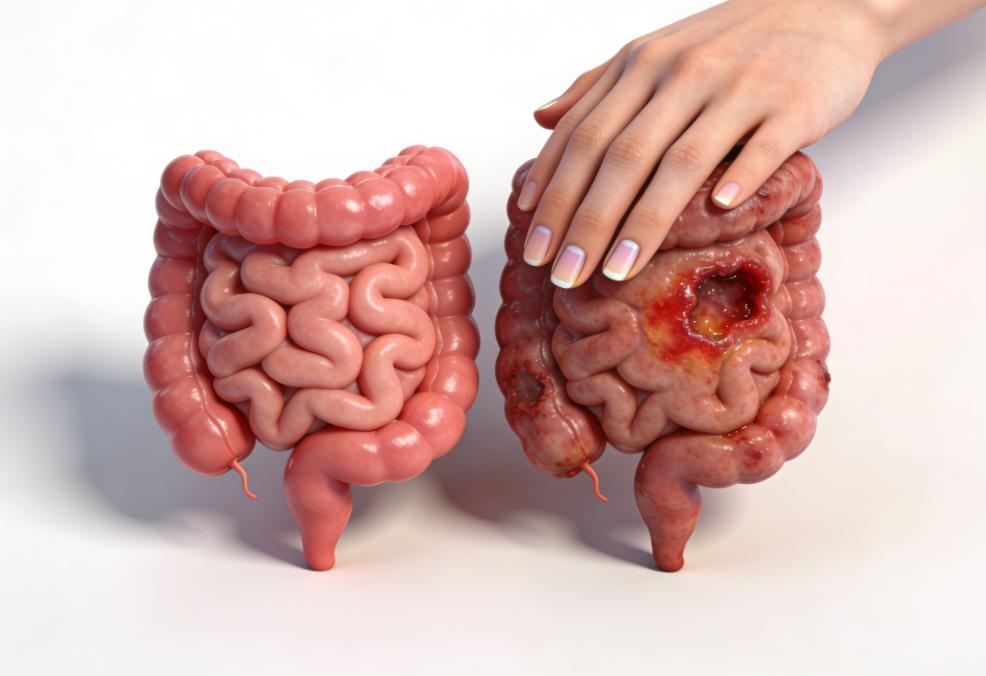
This is a Chinese patent medicine specifically designed for chronic diarrhea caused by spleen-kidney yang qi deficiency, as well as for what modern medicine refers to as diarrhea-predominant irritable bowel syndrome. Its core logic is clear and straightforward: to achieve the effect of consolidating the intestines and stopping diarrhea through methods that fortify the spleen and warm the kidneys. This approach is precise, targeting the spleen and kidneys to regulate the body, with the promising result of stopping diarrhea. In this way, by regulating the functions of the internal organs, stable and normal intestinal function is achieved. We can look at the logic of its formulation. It does not simply rely on powerful astringent herbs to forcibly "block" excretion; instead, it employs a wisdom of "tonifying and astringing in combination."
Managing diarrhea is like controlling a flood. Simply building tall embankments to block the water (stopping diarrhea) will inevitably lead to their collapse if water continues to flow from upstream. While constructing the embankments, it's essential to also manage the river channels and strengthen the soil. The ingredients in Shenbei Guchang Capsules work in two ways. On one hand, they can warm and replenish the faint spleen and kidney yang qi in our bodies, rekindling the "fire" under that "pot" to restore the normal digestive and absorptive functions of the intestines and stomach, addressing the root cause of "dysfunctional transportation and transformation." On the other hand, they have a strong astringent and consolidating effect, helping the lax and slippery intestines regain their "retentive" capacity and alleviating the embarrassing frequent urge to defecate.
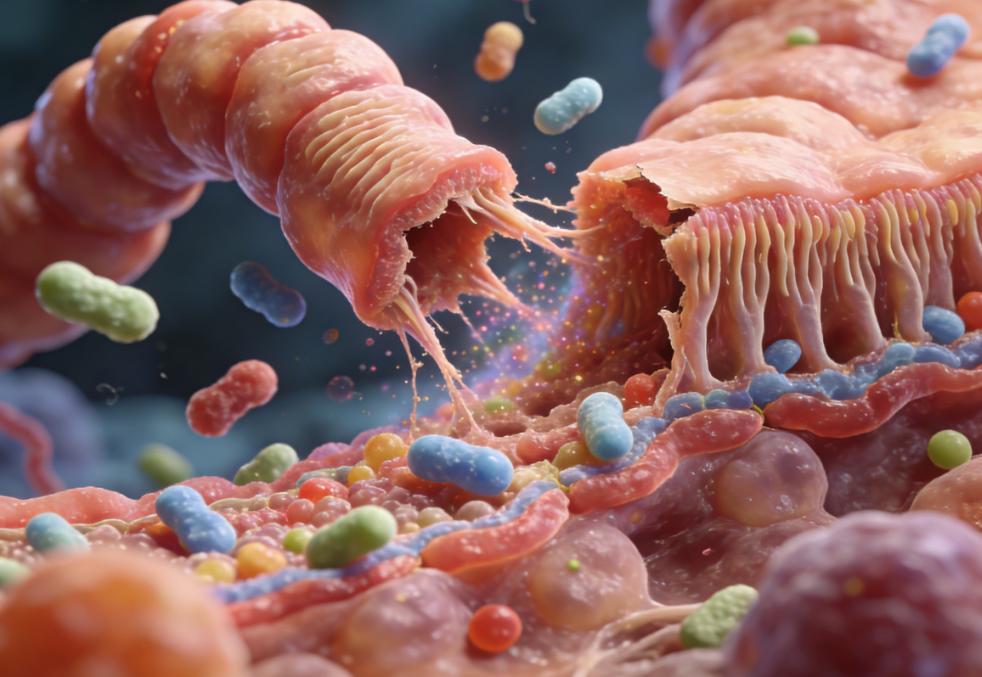
The advantage of this "tonification and astringency combined" approach lies in its ability to achieve "tonification without stagnation". Many tonics, when taken in excess, can easily cause dampness and sluggish digestion, which in turn increases the burden on the gastrointestinal tract. However, this prescription is designed comprehensively, not only reinforcing the body but also avoiding burdening the digestive system.
Indeed, while medications have remarkable efficacy, they are not universally suitable for everyone. This is a crucial principle that must be emphasized and should not be taken lightly; the applicability of medication must be handled with caution. Since the primary functions of Shenbei Guchang Capsules are "warming and tonifying" and "astringing and consolidating," they are mainly indicated for conditions characterized by deficiency-cold constitution. If you are suffering from acute bacterial dysentery caused by consuming spoiled food or have severe damp-heat in the body (manifested as foul-smelling and hot stools, intense burning sensation in the anus, and a yellow, greasy tongue coating), then this medication is not suitable. Instead, it may act like "adding fuel to the fire," trapping heat pathogens within the body and preventing their expulsion. Similarly, patients with excessive heat syndrome should also avoid its use.
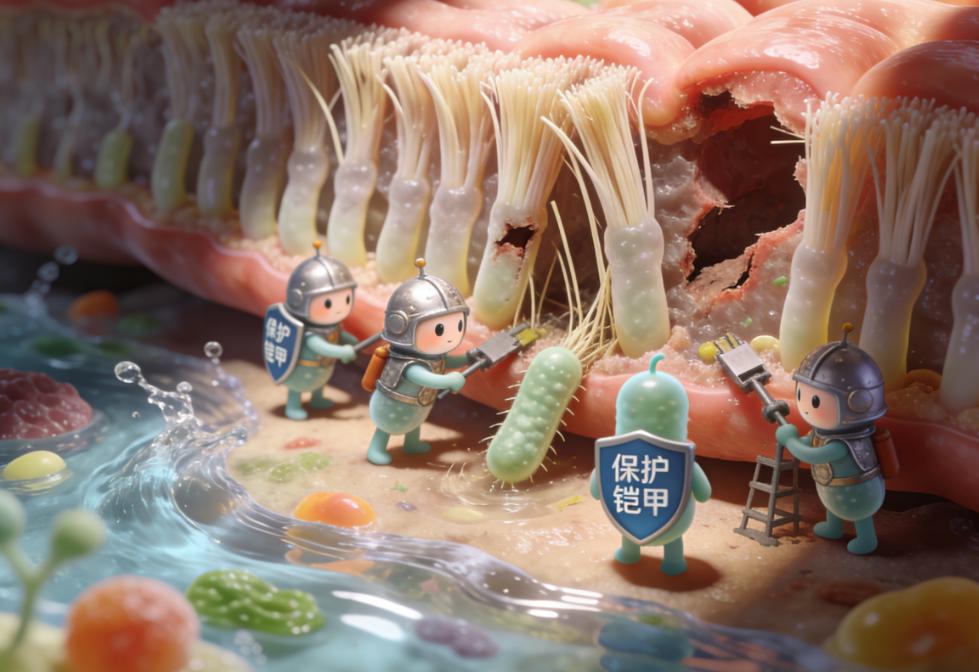
Additionally, as a Chinese patent medicine, it generally has good safety and is suitable for use in therapeutic courses for conditioning. However, it is strictly contraindicated if the patient is allergic to any of its ingredients. During its use, dietary adjustments are also recommended. Since yang deficiency leads to cold sensitivity, it is advisable to minimize the intake of raw and cold fruits, chilled beverages, and excessively greasy or spicy foods, allowing the spleen and stomach to rest and recuperate.
In summary, when dealing with chronic and persistent diarrhea, do not simply treat it as a "bowel movement issue." Instead, regard it as a signal that the body's energy metabolism is impaired. By warming and tonifying the spleen and kidneys, allowing the body to regain warmth, the stomach and intestines can naturally become stable, and life can return to its original ease and comfort.
The content of this article is intended for educational sharing purposes only. The analysis of diseases and introduction of herbal formulas discussed herein are for reference only. Individual body constitutions and medical conditions vary, and medicine is a rigorous science. For specific diagnosis, medication plans, and treatment courses, please be sure to visit a formal medical institution and undergo face-to-face consultation and guidance from a professional physician. Do not self-medicate blindly to avoid delaying the condition.