Is the pain lingering long after cupping? Beware: 3 reactions could be your body's disease alarm
Cupping is a common health practice, but many people experience lingering pain after the procedure and often mistakenly endure it, believing it to be a sign that "dampness is being expelled." In fact, post-cupping pain can be categorized as normal or abnormal, and distinguishing between the two is crucial. This article will help you understand the signals of pain after cupping, offer management advice, and guide you in protecting your health and safety during wellness routines.
Many people experience mild soreness and a feeling of fullness after cupping, which typically subsides within 3-5 days. However, if the pain persists or even worsens, it could be a warning sign from your body about an underlying health issue. Don't just endure it as a "normal effect." It is important to promptly investigate potential health problems.
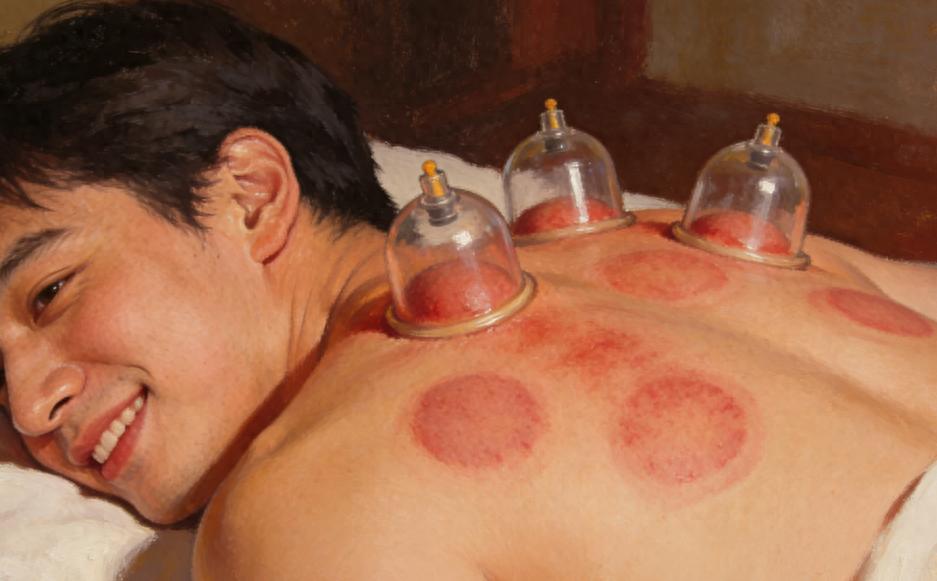
I. Normal vs. abnormal pain after cupping: don't misjudge!
Many people struggle to distinguish whether post-cupping pain is a normal reaction or a health warning sign. In fact, the key lies in two aspects: the nature of the pain and its duration. Typically, cupping uses negative pressure to adhere to the skin, stimulating local blood circulation and meridians. This helps promote the flow of qi and blood, smooth the meridians, and effectively relieve fatigue, bringing physical and mental comfort. This type of pain tends to be more of a "sore and distending sensation," localized to the area marked by the cupping marks. It does not significantly worsen with movement, gradually decreases day by day, and usually disappears completely within 3–5 days.
However, if the nature of the pain changes—for example, shifting from a sore, distending sensation to a stabbing or dull ache, or if it persists for more than a week without improvement, especially if accompanied by swelling or abnormal skin conditions—it is no longer related to a normal reaction. Such symptoms are likely warning signals from the body.
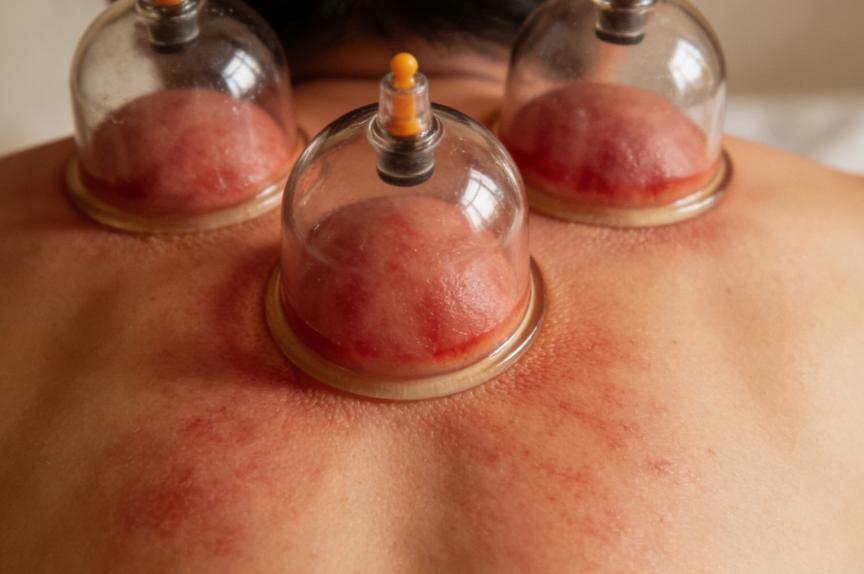
II. 3 common misconceptions about post-cupping pain
When assessing whether post-cupping pain is normal, many people fall into cognitive misconceptions that may cause them to overlook potential health issues.
The first misconception is "the more pain, the more effective." Many believe that greater pain during or after cupping indicates better meridian 疏通效果, and some even actively request increased intensity or extended duration. In reality, effective cupping should produce a "sore and comfortable" sensation rather than "intense pain." Excessive pain itself is a sign of tissue damage and can instead increase the body's burden.
The second misconception is that "pain will go away if you just tough it out." Many people consider persistent pain after cupping to be a normal reaction, thinking it will pass in a few days. However, they may not realize that this could be a disease warning signal from the body, and delaying action could exacerbate underlying inflammation or nerve issues.
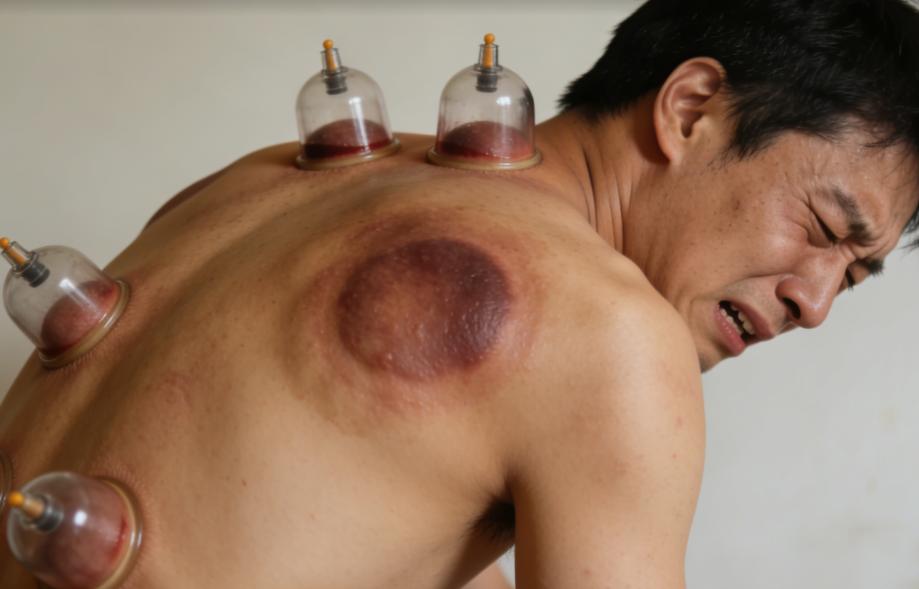
The third misconception is "using heat therapy on your own to relieve pain." Some people immediately apply a hot water bag to reduce pain after cupping, but if the pain is caused by tissue effusion or edema, immediate heat application can aggravate local congestion, making swelling and pain worse. The correct approach is to rest and observe first, and consult a professional if the pain persists.
III. 3 abnormal reactions that require immediate investigation
If the following three abnormal reactions occur after cupping, it’s important to be alert to potential disease warnings: first, persistent dull pain accompanied by swelling and heat, which could be local soft tissue inflammation or tissue edema caused by improper cupping; second, sharp pain accompanied by skin abnormalities, such as deep black cupping marks, persistent bruising, or hard-to-heal blisters, which may be related to coagulation disorders or skin diseases; third, pain radiating to the limbs or abdomen, which could be due to nerve compression in the cervical or lumbar spine or referred pain from internal organs. Do not mistake these for ordinary post-cupping discomfort.
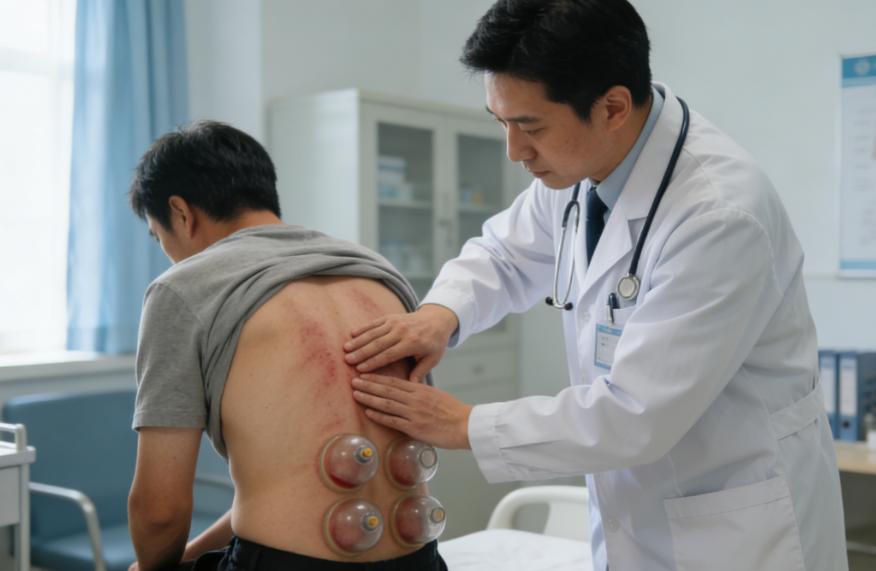
Different groups should be aware of the risks when using cupping: middle-aged and elderly individuals with reduced skin elasticity or underlying bone conditions should communicate their status before cupping, opting for gentle pressure and shorter durations; office workers prone to neck and shoulder strain should prioritize checking for spinal issues if radiating pain occurs after cupping; women should exercise caution during menstruation and pregnancy, with the abdominal and lumbar regions strictly prohibited for cupping during pregnancy; those with sensitive or damaged skin, coagulation disorders, or severe internal organ diseases are advised against indiscriminate cupping.
Practical Health Advice: First, seek medical attention promptly if pain persists for over 5 days or abnormal reactions occur; second, choose certified institutions and qualified professionals, and inform them of your physical condition in advance; third, avoid bathing or exposing yourself to cold immediately after cupping, and keep warm while resting; fourth, individuals for whom cupping is unsuitable should avoid it without proper guidance.
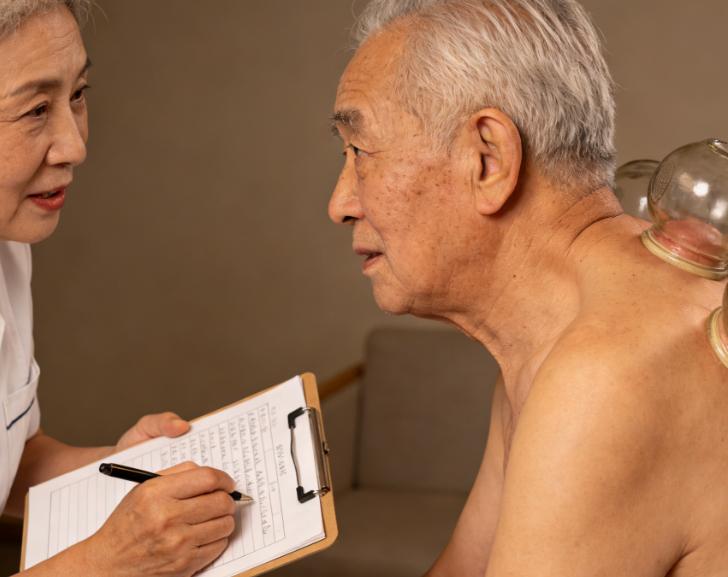
Cupping is a health preservation method and cannot replace medical examinations. Persistent abnormal pain serves as a bodily warning signal; it should not be mistaken as a sign of effectiveness. Prompt identification and treatment are key to maintaining health. Do not delay when discomfort arises, and seek help from a professional doctor as soon as possible.