Feeling Unwell After Gua Sha? If You Have These 4 Abnormalities, It Might Be a Health Alarm from Your Organs
Amidst the wellness trend, Gua Sha (scraping) has long become a familiar method of health regulation. For stiff shoulders and neck—scrape a bit; for fatigue from staying up late—scrape a bit; for seasonal discomfort—scrape a bit as well. Many people assume that the soreness and reddish-purple skin marks after Gua Sha are signals of "detoxification taking effect," and even if there is some extra discomfort, they think it's something to just endure. But did you know? Truly scientific Gua Sha should leave the body feeling light and relaxed, with both body and mind soothed. Those persistent, uncomfortable sensations may not be "detox reactions" but rather health alarms from the functions of your internal organs.
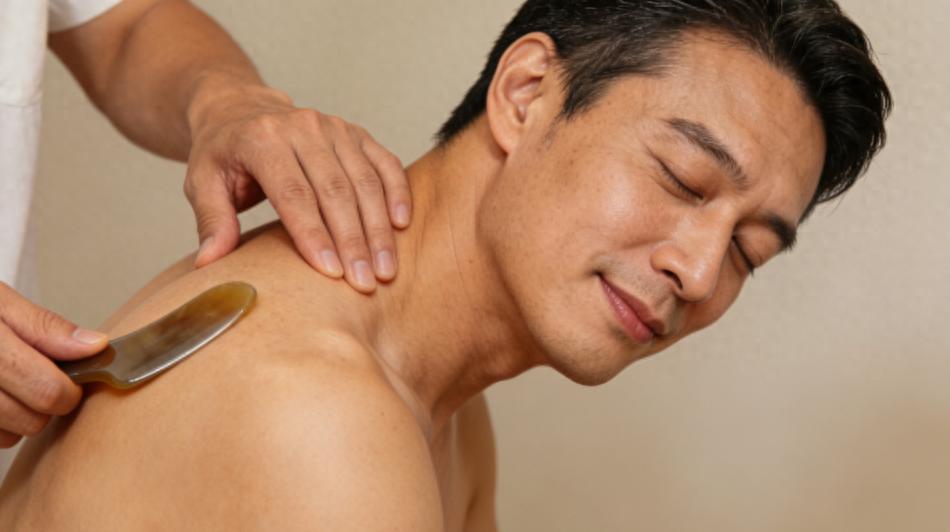
Myth 1: Is Gua Sha More Painful More Effective? Avoid These Common Misunderstandings
Many people hold a deeply ingrained misconception about Gua Sha: the more painful it is and the darker the skin color, the better the detoxification effect. Consequently, some intentionally request heavier scraping, even considering it "thorough" only when the skin turns dark purple and shiny. Even if they feel overall weakness or stinging pain afterwards, they dismiss it as a normal phenomenon. However, the truth is quite the opposite. Proper Gua Sha involves stimulating the meridians with gentle force to promote the circulation of qi and blood—its core is "clearing blockages" rather than "causing damage."
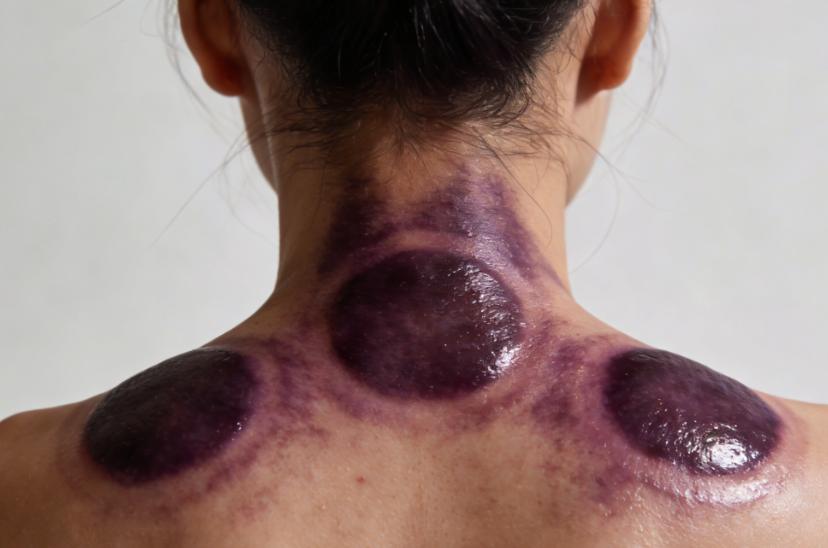
Under normal circumstances, there may be mild soreness after scraping, but it typically subsides within a few hours. The skin color is usually light red or pale purplish-red and will gradually fade as the body metabolizes. In contrast, practices that seek "intense pain" and "deep purple" marks essentially represent excessive stimulation of the skin and subcutaneous tissues. Not only do they fail to achieve health benefits, but they may also damage the skin barrier and even exacerbate meridian stagnation. More critically, this mistaken belief leads many to overlook genuinely abnormal discomfort, mistaking alarms from the internal organs for "detox reactions," ultimately delaying timely health regulation.
Myth 2: These 4 Abnormalities Are Not Detox Reactions—They May Be Your Organs “Sending an SOS”
Discomfort after Gua Sha is not always normal, especially when the following conditions occur. It is essential to remain vigilant, as these may be signals of abnormal internal organ function.
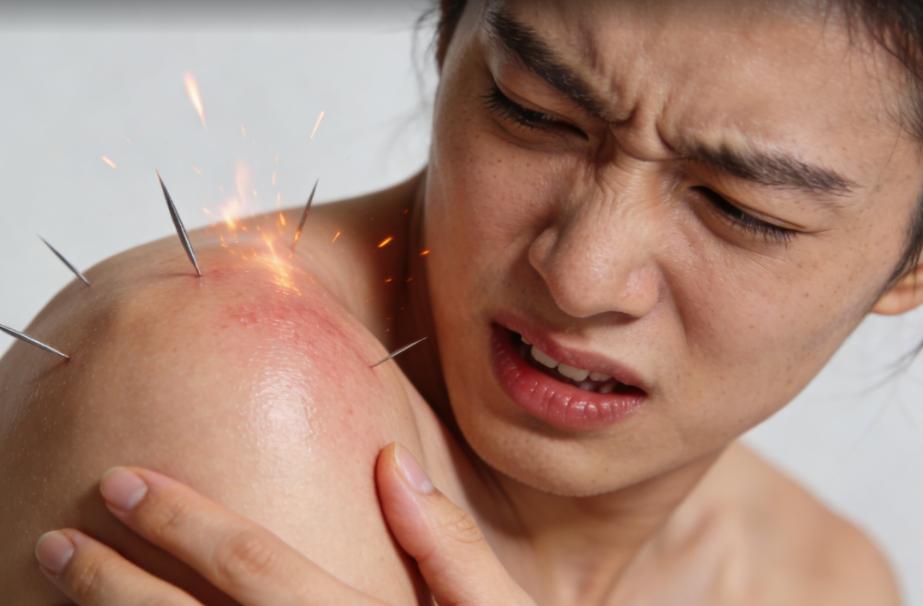
If pain persists for more than 3 days after Gua Sha—characterized not by mild soreness but by sharp stabbing or burning sensations, even causing discomfort from wearing clothes or touching bed sheets—this is often not a sign of improved Qi and blood circulation. It could be due to excessive pressure damaging skin tissue during Gua Sha or an underlying functional imbalance in the organs corresponding to the meridians stimulated, with overstimulation exacerbating the discomfort.
Some individuals may suddenly experience dizziness, heart palpitations, cold sweats, or even blacking out when standing up after Gua Sha, requiring prolonged rest to recover. This is not a sign of "powerful detoxification"; rather, it is the body signaling that Gua Sha may be unsuitable for their constitution. For example, if one already has insufficient Qi and blood or low blood pressure, Gua Sha can further deplete Qi and blood, leading to temporary insufficient blood supply to the brain. Alternatively, if the environment during the procedure is too cold or inadequate warmth is maintained, cold can invade the body, disrupting the normal flow of Qi and blood.
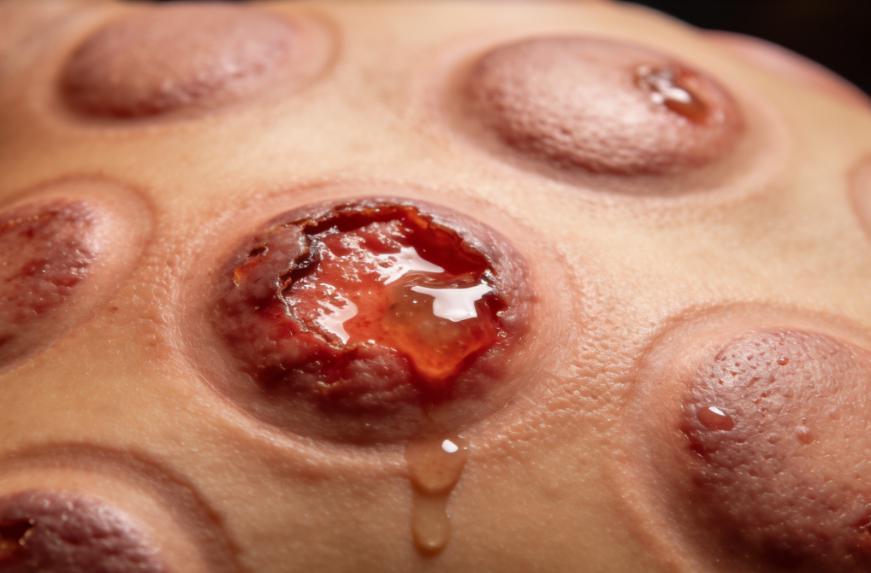
If large blisters form on the skin after Gua Sha, or if the skin breaks, becomes swollen, and discharges pus, or if the skin appears dark purple and shiny without showing signs of fading after a week, this often indicates excessive cold-dampness in the body. It may also result from excessive pressure or overly prolonged Gua Sha, causing damage to the skin and subcutaneous tissues. The skin serves as the body’s "first line of defense," and its abnormal manifestations indirectly reflect the metabolic and regulatory capabilities of the internal organs.
Moreover, many people experience gastrointestinal discomfort such as diarrhea and nausea after scraping, often dismissing it as coincidence. In fact, this is closely related to the details of the scraping process. For instance, leaving the abdomen exposed during scraping may lead to catching cold, or if the spleen and stomach are inherently weak, the stimulation from scraping may further burden them, causing digestive disorders. This can be seen as a "protest signal" from the spleen and stomach.
Three、Scientific Gua Sha + Handling Abnormal Reactions – This is How to Protect Your Internal Organs
If you want to maintain health through scraping therapy, first learn to read your body, master the correct methods, and respond promptly to any abnormalities.
Before scraping, assess whether it is suitable: individuals with weak constitution or insufficient qi and blood should avoid forceful scraping, while pregnant women, those with skin damage, coagulation disorders, or severe heart disease should avoid it altogether. It is advisable to seek professional assistance and avoid blindly scraping sensitive areas on your own.
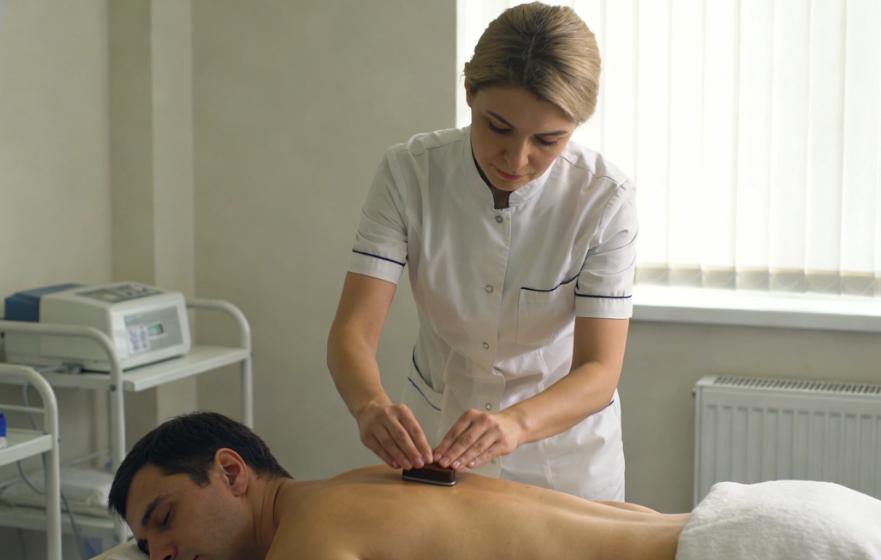
Keep warm during gua sha: Avoid cold showers within 24 hours after treatment, and drink plenty of warm water to aid metabolism. If any abnormalities occur, stop gua sha immediately, rest and stay warm, and eat light, easily digestible foods. If discomfort persists for more than a week, or if symptoms like worsened dizziness or skin infections appear, seek medical attention promptly to identify the issue—do not ignore it.
The essence of health preservation is to follow the body's natural rhythms. Cupping therapy is meant to restore balance, not to cause discomfort. Any overlooked abnormalities are the body’s way of signaling the need to pay attention to internal organ health. Instead of relying solely on cupping, cultivate habits such as maintaining a regular routine, eating a balanced diet, and exercising moderately. Nurturing yourself through scientific methods is the true way to achieve the goals of health preservation.