The Principles and Methods of Traditional Chinese Medicine in Treating Spleen-Stomach Weakness
The spleen and stomach are vital organs for human digestion and absorption. If the functions of the spleen and stomach are impaired, it can lead to poor nutrient absorption by the body, thereby affecting health. Traditional Chinese Medicine believes that spleen-stomach weakness is primarily caused by deficiencies in qi and blood, internal damp-heat, and other factors. Therefore, treatment requires targeted regulation based on the underlying causes.

Regulating Qi and Blood
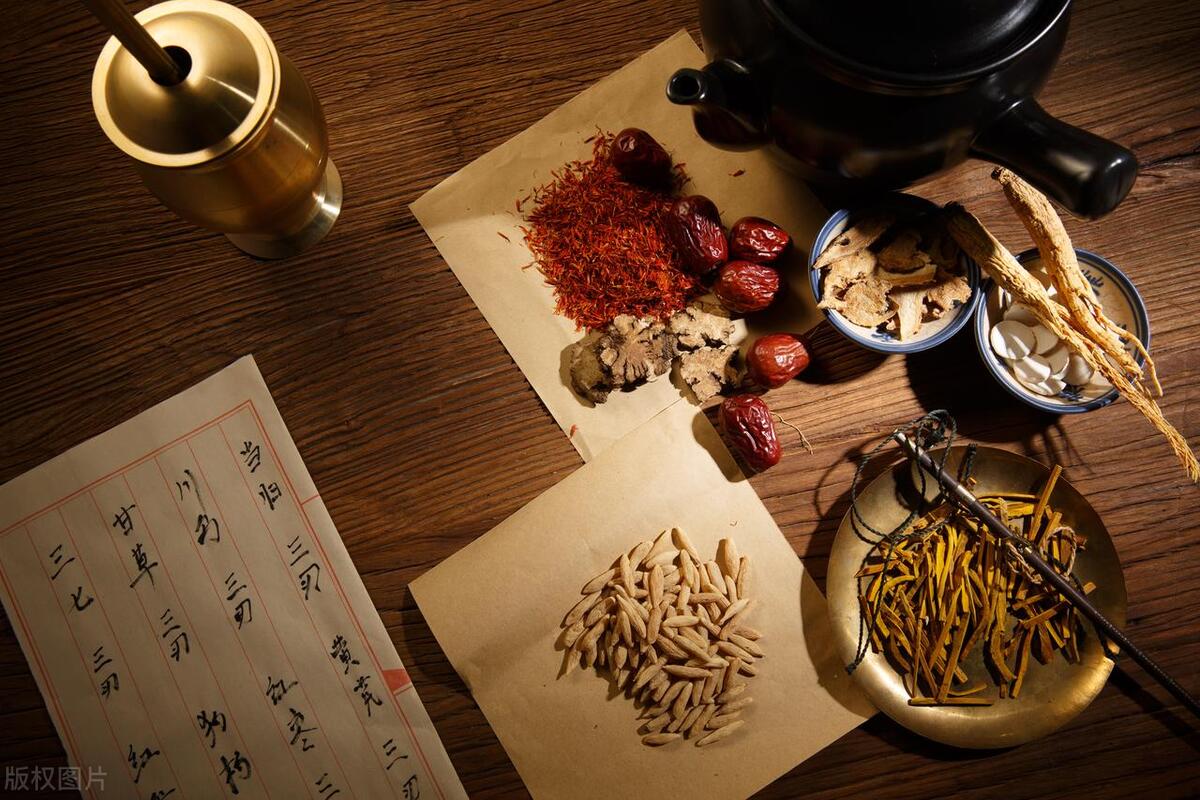
Qi and blood are the foundation of human life activities; if there is insufficient qi and blood, it can lead to a decline in bodily functions. In traditional Chinese medicine, treating spleen and stomach deficiency often involves regulating qi and blood to improve the condition. Common methods include dietary therapy, herbal medicine, and acupuncture.
Clearing Damp-Heat
Internal damp-heat is one of the main causes of spleen and stomach deficiency. Traditional Chinese medicine holds that dampness can easily stagnate within the body, leading to a decline in bodily functions. Therefore, clearing dampness is necessary when treating spleen and stomach deficiency. Common methods include dietary adjustments, herbal medicine, and acupuncture.

Adjusting Diet
Traditional Chinese medicine believes that diet has a significant impact on the functions of the spleen and stomach. Therefore, dietary adjustments are necessary in the treatment of spleen-stomach deficiency. Generally, it is recommended to consume less greasy, spicy, and raw cold foods and eat more light, easily digestible foods. At the same time, foods with the effects of replenishing qi and strengthening the spleen can be appropriately supplemented.
In summary, the treatment of spleen-stomach deficiency in traditional Chinese medicine mainly involves regulating qi and blood, clearing damp-heat, and adjusting the diet to improve bodily functions. During the treatment process, personalized care should be provided based on the patient’s specific condition.