Principles and Methods of Traditional Chinese Medicine in Treating Gastritis
Gastritis is a common digestive system disorder, with main symptoms including abdominal discomfort, nausea, vomiting, and loss of appetite. Traditional Chinese Medicine (TCM) holds that the occurrence of gastritis is related to changes in the internal and external environment of the human body. Factors such as improper diet, emotional fluctuations, and cold-damp invasion can damage the gastric mucosa and lead to gastritis.

The fundamental principle of TCM in treating gastritis is to adjust the balance of Yin and Yang in the human body, promote the circulation of Qi and blood, with the goal of eliminating pathogenic factors, improving physiological functions, and enhancing immunity. Specific methods include the following aspects:
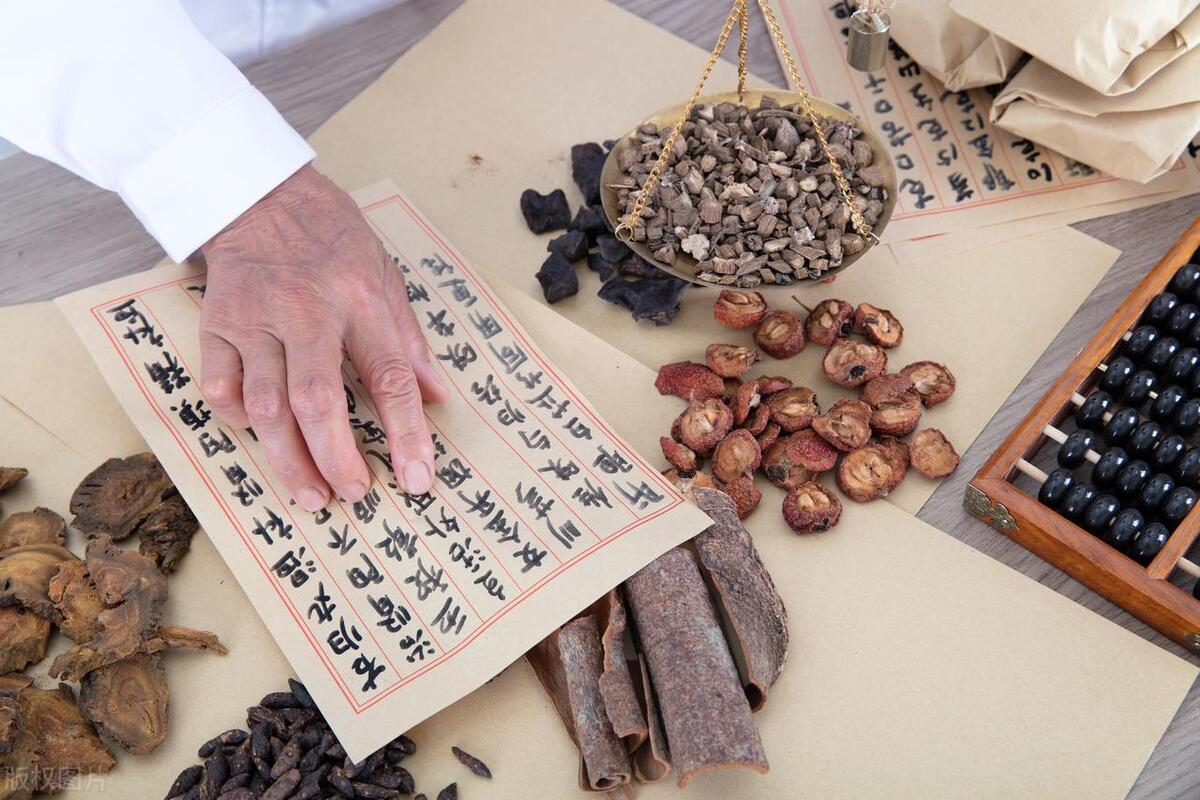
Medication Therapy: Traditional Chinese herbs can be formulated into decoctions or pills based on the patient's specific condition. Commonly used herbs include Huanglian (Coptis chinensis), Huangqin (Scutellaria baicalensis), and Kushen (Sophora flavescens), which are heat-clearing and detoxifying agents; Baizhu (Atractylodes macrocephala), Fuling (Poria cocos), and Chenpi (Citrus reticulata peel), which invigorate the spleen and stimulate appetite; and Zhiqiao (Citrus aurantium) and Houpo (Magnolia officinalis), which regulate qi and aid digestion.
Dietary Adjustments: Based on the patient's constitution and specific symptoms, traditional Chinese medicine offers corresponding dietary recommendations. For instance, those with cold stomach syndrome should consume warm, heat-generating foods and avoid raw, cold, or greasy items; those with stomach heat should steer clear of spicy or irritating foods.

Acupuncture Treatment: Acupuncture can alleviate stomach discomfort and improve digestive function by regulating meridians and promoting blood circulation.
Tuina Massage: Tuina massage stimulates abdominal acupoints, promotes the flow of qi and blood, and relieves gastrointestinal tension.
In summary, the treatment of gastritis in traditional Chinese medicine is a comprehensive process that requires considering multiple aspects such as the patient's constitution, specific symptoms, and environmental factors, and developing individualized treatment plans based on the actual circumstances.