Common Traditional Chinese Medicine Formulas for Treating Gastritis
Traditional Chinese Medicine (TCM) treatment for gastritis is a traditional therapeutic method that has been widely applied in clinical practice. Below are several commonly used TCM formulas:
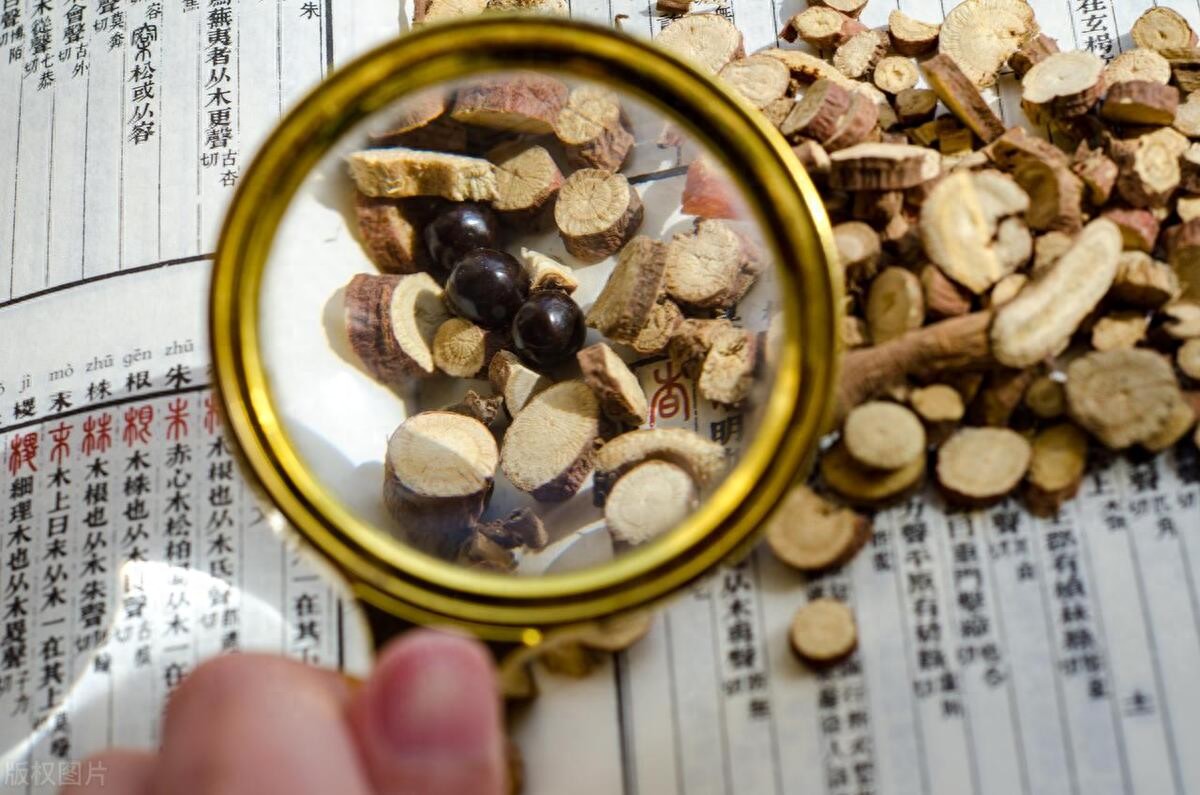
Baohe Pill: Composed of Coptis chinensis (huanglian), Scutellaria baicalensis (huangqin), Sophora flavescens (kushen), and other heat-clearing and detoxifying herbs. Suitable for acute gastritis and gastrointestinal infections, its main functions are to clear heat, detoxify, reduce inflammation, and stop diarrhea.
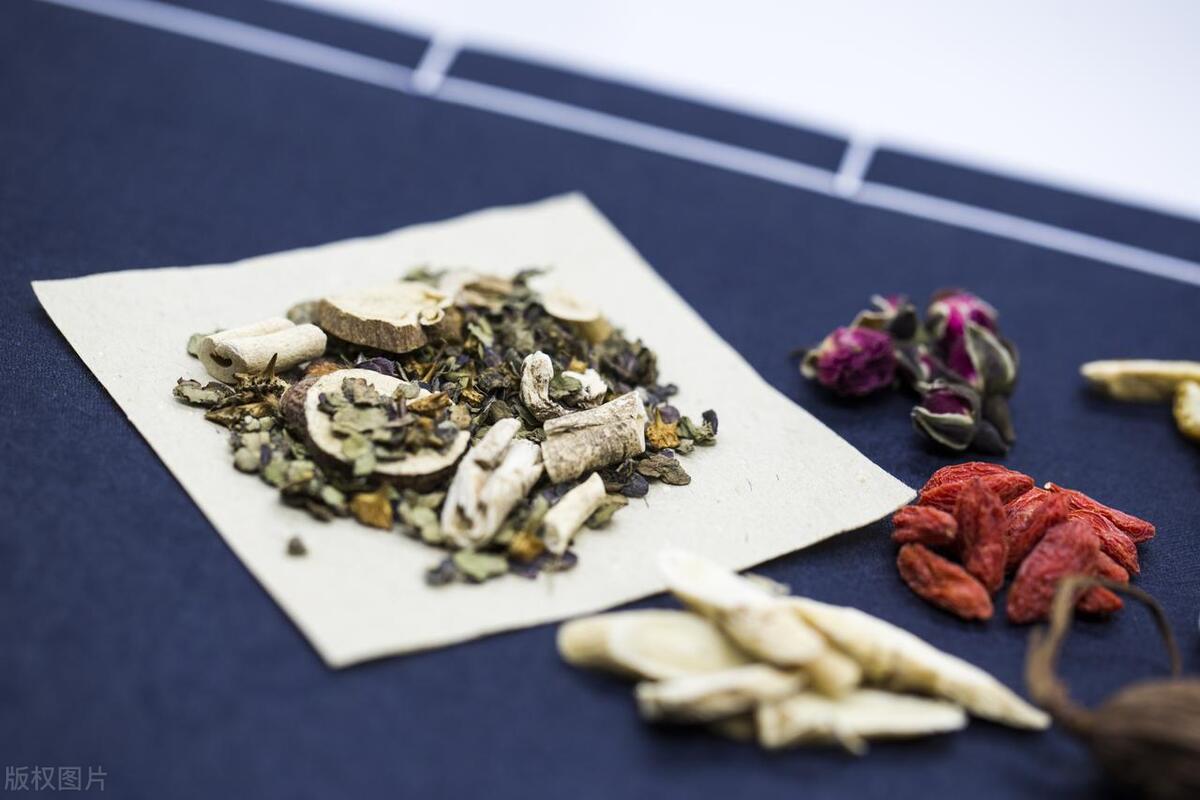
Er Miao San: Composed of ingredients such as White Atractylodes (Bai Zhu), Poria (Fu Ling), and Tangerine Peel (Chen Pi). It is suitable for chronic gastritis and gastrointestinal disorders, with its main effects being to invigorate the spleen, stimulate appetite, and regulate qi and blood.
Chai Gui Liu Jun Zi Tang: Composed of ingredients such as Ginseng (Ren Shen), White Atractylodes (Bai Zhu), and Poria (Fu Ling). It is suitable for spleen-deficiency type gastritis, with its main effects being to invigorate the spleen, replenish qi, and regulate the digestive system.
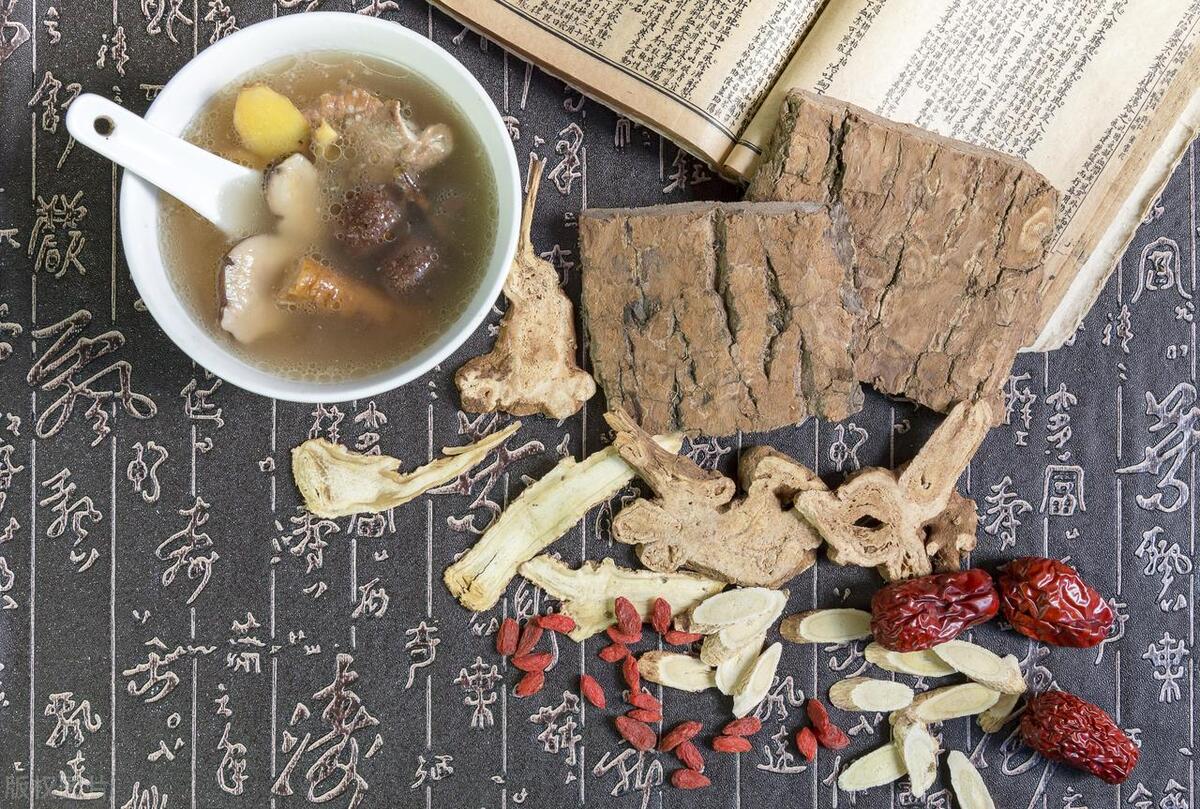
Zhi Ke Wan: Composed of ingredients such as Bitter Orange (Zhi Shi) and Magnolia Bark (Hou Po). It is suitable for symptoms such as chest tightness, abdominal distension, and poor appetite, with its main effect being to regulate qi and promote digestion.
The above formulas are for reference only. Specific adjustments should be personalized based on the patient's constitution and individual circumstances. Since gastritis presents with different symptoms, the medications used also vary. Medications should be taken under the guidance of a professional physician, and combining them with certain Western medicines may yield better results.