Basic Concepts and Treatment Methods of Traditional Chinese Medicine for Reflux Esophagitis
Modern TCM treatment has inherited and updated ancient TCM practices, so TCM is now able to effectively cure many types of diseases. Although sometimes TCM treatment is not as fast as Western medicine, because TCM uses herbal medicines, it is generally free of side effects.
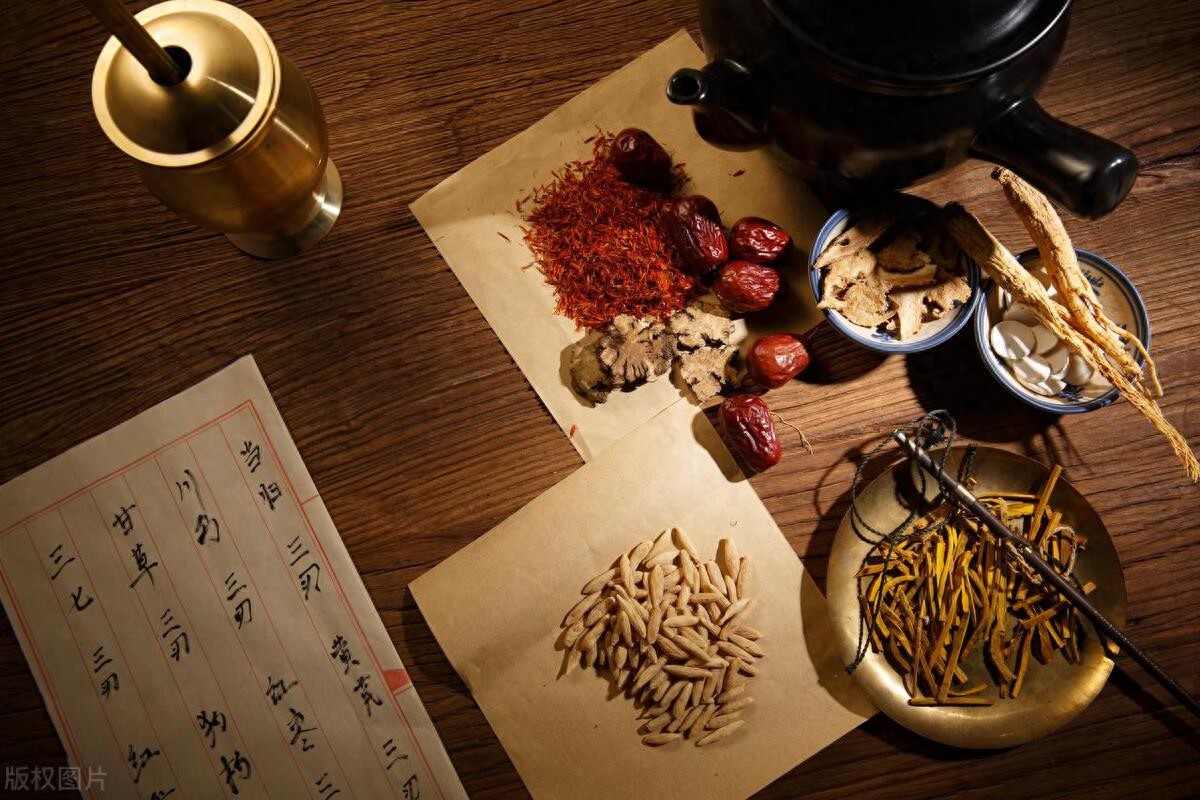
Reflux esophagitis can occur at any age and in any population, so in TCM, herbal medicine is primarily used to treat this condition.
Moreover, traditional Chinese medicine explicitly treats different types with distinct approaches. Below, we will introduce the TCM treatment methods for patients with reflux esophagitis.
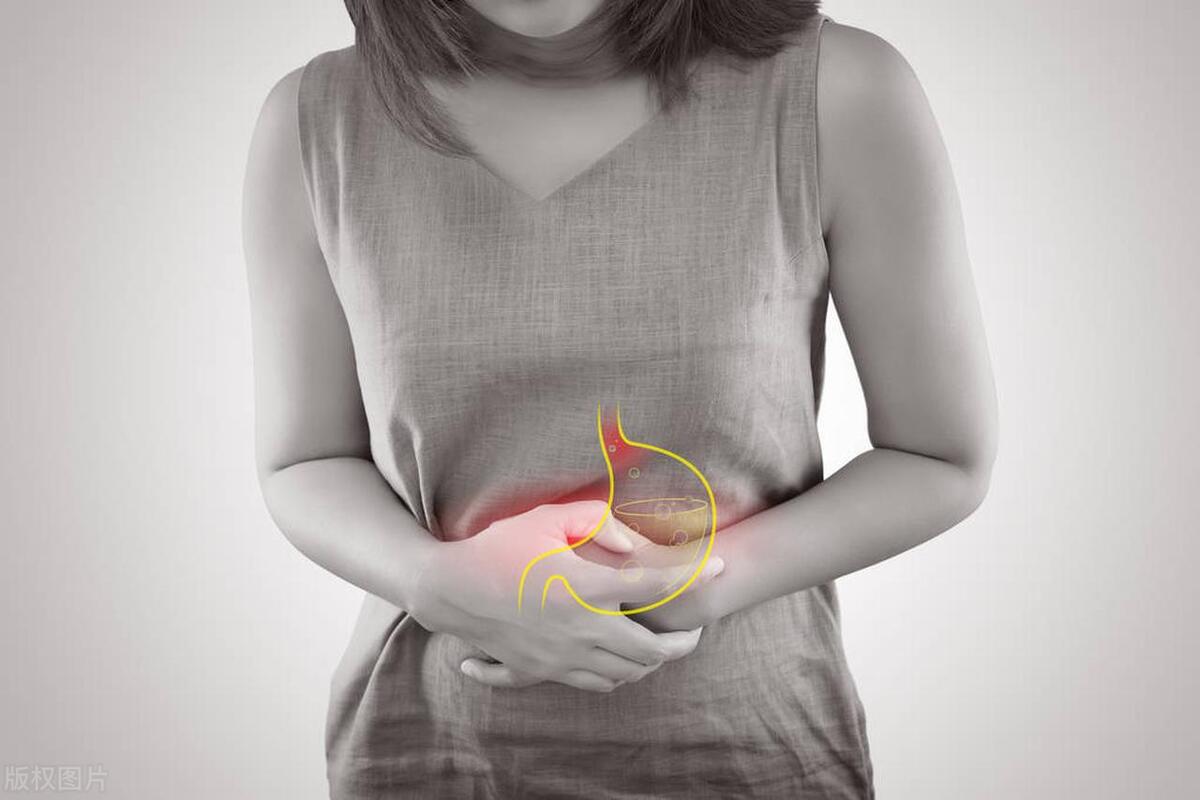
Reflux esophagitis refers to inflammation caused by the reflux of gastric acid and stomach contents into the esophagus. The main symptoms include a burning sensation behind the sternum, chest pain, belching, and acid regurgitation. In traditional Chinese medicine, reflux esophagitis is believed to result from factors such as spleen and stomach deficiency, liver and gallbladder stagnation, and qi stagnation and blood stasis. Treatment should focus on regulating the spleen and stomach, soothing the liver and promoting qi flow, and activating blood circulation to remove stasis.
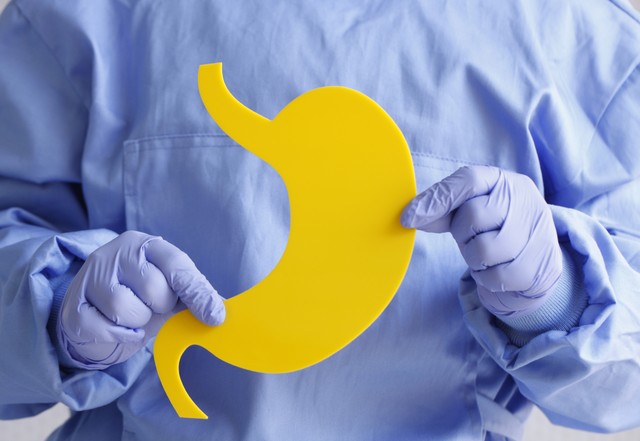
Reflux esophagitis is a type of gastroesophageal reflux disease characterized by esophageal mucosal damage caused by acid reflux. Symptoms include acid regurgitation, heartburn, chest pain, epigastric pain, upper abdominal pain, and belching. Approximately 21% to 63% of patients experience dyspeptic symptoms. Heartburn occurs when gastric acid enters the esophagus. Other factors, such as being overweight, pregnancy, smoking, or excessive alcohol consumption, may also contribute to this symptom. Patients with reflux esophagitis should avoid strenuous exercise and leaning forward with their limbs. In terms of diet, they should primarily follow a bland diet and reduce food intake to avoid feeling overly full, as this helps prevent increased gastric pressure and worsening gastroesophageal reflux.
Traditional Chinese medicine treatment methods for reflux esophagitis mainly include herbal medicine, acupoint massage, and dietary therapy. Commonly used herbal formulas include Sijunzi Tang (Four Gentlemen Decoction), Liujunzi Tang (Six Gentlemen Decoction), and Xiangsha Yangwei Tang (Aucklandia and Amomum Stomach-Nourishing Decoction). Frequently used acupoints for massage include Zusanli (ST36), Taichong (LR3), and Zhongwan (CV12). Dietary therapy primarily follows the principles of "bland, easily digestible, soft, and minimally irritating," such as consuming more congee, noodles, and vegetables.