Efficacy Evaluation of Traditional Chinese Medicine in Treating Gastroesophageal Reflux Disease
The efficacy evaluation of traditional Chinese medicine in treating gastroesophageal reflux disease should comprehensively consider factors such as symptom improvement, physical sign improvement, and results of auxiliary examinations. Commonly used assessment methods include:
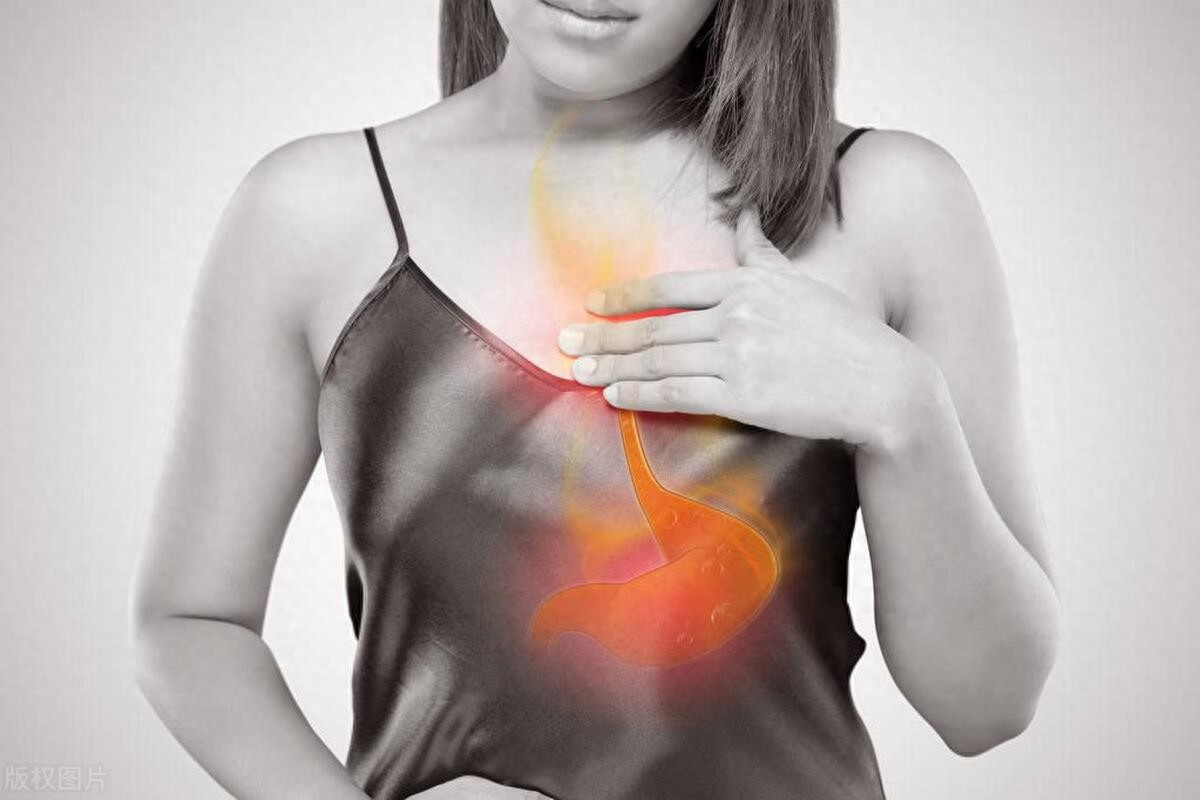
1. Symptom relief: whether the patient's main symptoms, such as chest pain, acid reflux, and belching, have significantly reduced or disappeared.
2. Improvement in physical signs: Such as whether there is improvement in the oral mucosa, tongue coating, pulse condition, etc.
3. Results of auxiliary examinations: such as whether there is improvement in esophagoscopy or gastroscopy.
4. Patient satisfaction: whether the patient is satisfied with the treatment outcome.
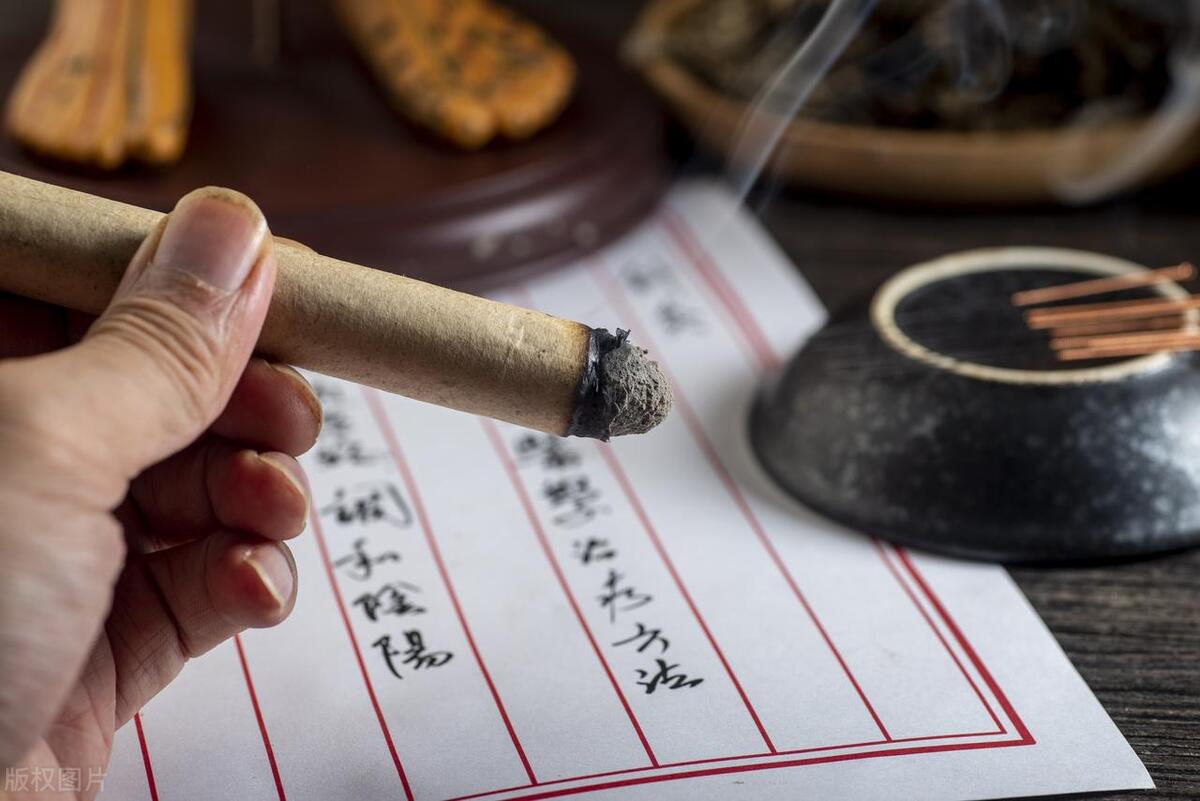
Patients with reflux esophagitis should maintain an upright or trunk-erect posture after meals whenever possible. It is also important to reduce abdominal pressure, avoid vigorous activities, and refrain from wearing tight clothing or waist belts. Hot tea or beverages should be minimized before bedtime, smoking should be stopped, and alcohol, acidic and irritating foods, as well as items like sugar, chocolate, and coffee should be limited in daily life. For more severe cases of reflux esophagitis, Western medication can be used in conjunction with treatment. If combined traditional Chinese and Western medical treatments prove ineffective, surgical intervention may be considered.

In summary, by regulating emotions, adapting to cold and warmth, and combining appropriate treatment, the goal of curing the disease can be achieved. Traditional Chinese medicine treatment for reflux esophagitis is a safe and effective therapeutic approach, but its efficacy needs to be assessed based on the specific condition to achieve optimal therapeutic outcomes.