Spleen and Stomach Deficiency requires conditioning: what should you eat, drink, and do to improve it?
Spleen and Stomach Deficiency (Pi Wei Xu Ruo) is a common syndrome in Traditional Chinese Medicine (TCM) differentiation, with symptoms including loss of appetite, indigestion, and diarrhea. The Spleen and Stomach are vital organs for digestion and absorption in the human body. In modern society, influenced by factors such as a fast pace of life and environmental pollution, an increasing number of people suffer from Spleen and Stomach Deficiency. To improve this condition, we can start with diet, beverages, and daily habits, taking effective measures to regulate the Spleen and Stomach and enhance the body's immunity and metabolic functions.
I. Dietary Adjustments
1. Maintain a regular eating schedule
Maintain consistent dietary habits by eating at set times and in appropriate portions, avoiding overeating. This helps support the normal functioning of the spleen and stomach's digestion and absorption processes.
2. Consume a light and easily digestible diet
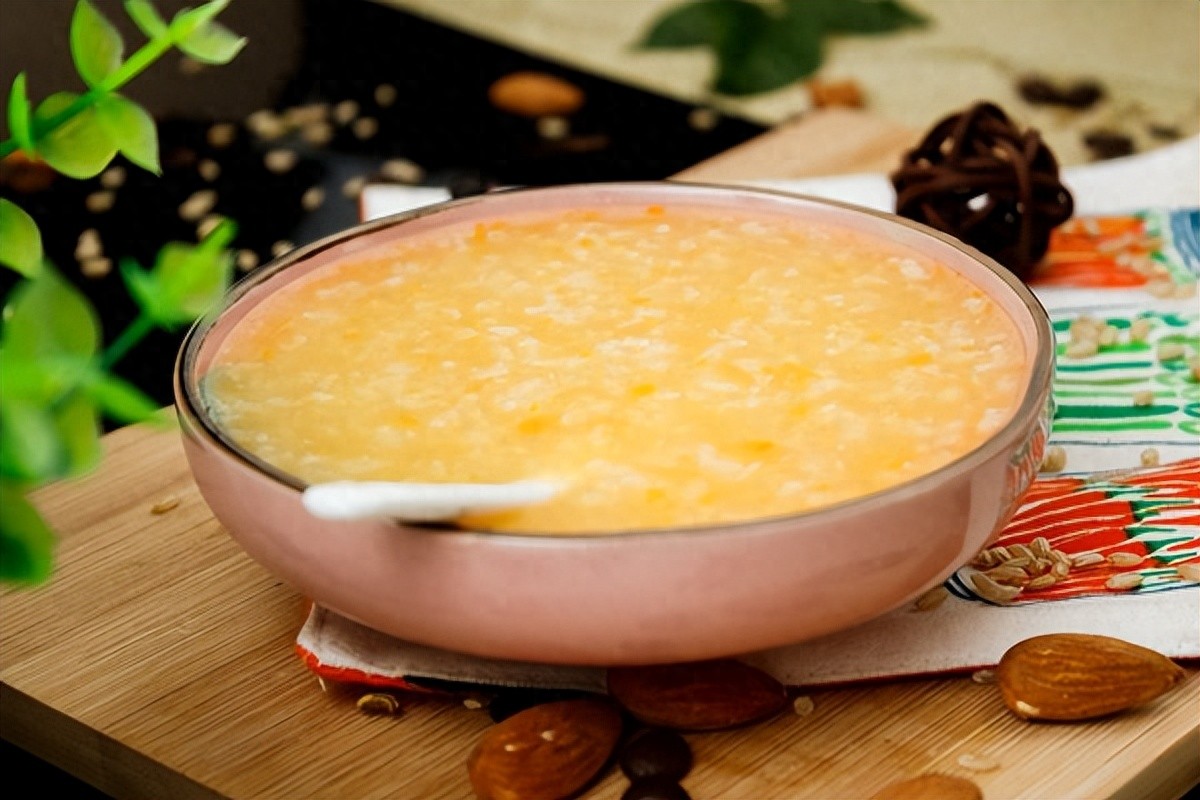
Choose foods that are easy to digest and nutrient-dense, such as pumpkin porridge, Chinese yam porridge, and millet porridge. Avoid excessive intake of greasy, spicy, raw, or cold foods to prevent increasing the burden on the spleen and stomach.
3. Consume an appropriate amount of spleen-strengthening foods
Foods such as red dates, peanuts, Job's tears (coix seed), and hyacinth beans possess spleen-strengthening and stomach-harmonizing properties, which can assist in alleviating symptoms of spleen and stomach deficiency.
4. Maintain rational control over dietary intake
Appropriately control the volume of food intake and avoid overeating. Excessive satiety increases the digestive burden on the spleen and stomach, leading to dyspepsia.
II. Beverage Choices
1. Choose Warm Beverages
Avoid cold drinks and chilled beer as much as possible. Opt for warm beverages such as hot milk or hot tea, which help warm the Spleen and Stomach and promote digestion.
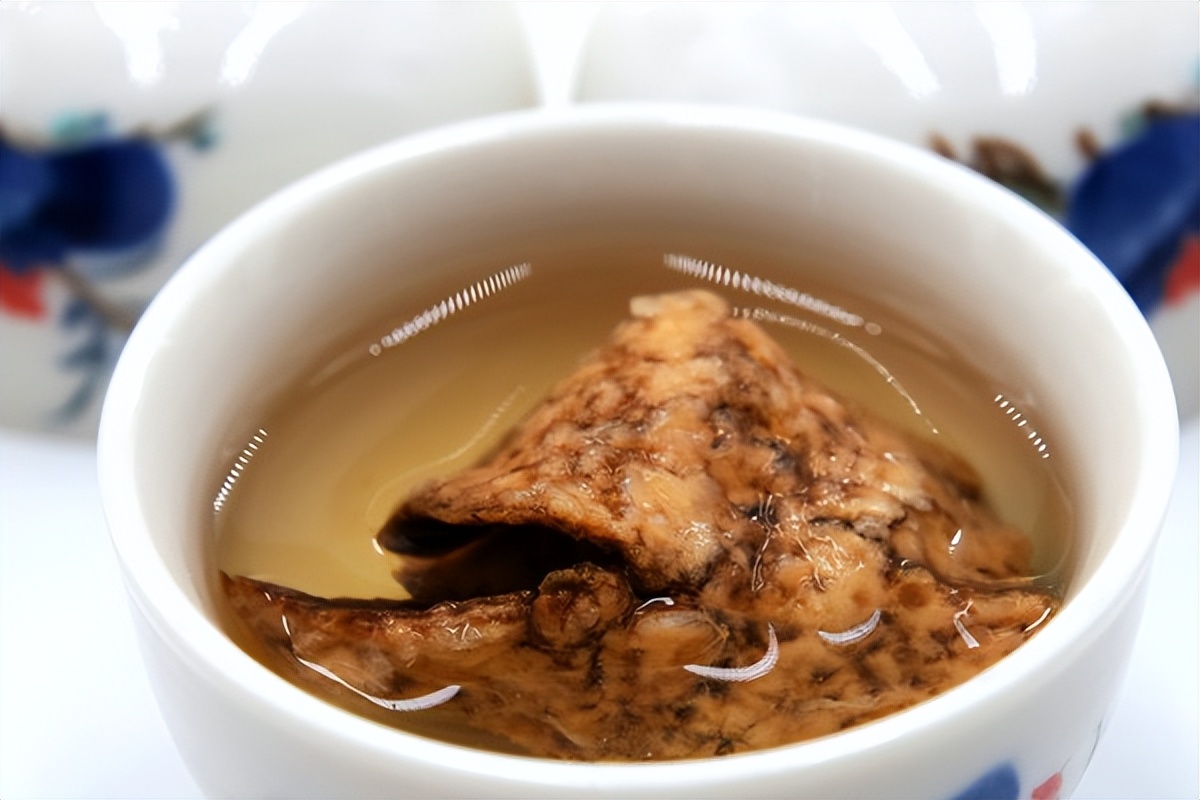
2. Red Date and Astragalus Tea (Hongzao Huangqi Tea)
Red dates and Astragalus both possess the effects of strengthening the spleen and harmonizing the stomach. Brewing them together as a tea can help improve spleen and stomach deficiency.
3. Hawthorn and Dried Tangerine Peel Tea
Hawthorn has the effect of promoting digestion and resolving food stagnation, while dried tangerine peel (Chenpi) functions to regulate Qi and strengthen the spleen. Brewing them together as a tea can both aid digestion and fortify the spleen.
III. Adjustment of Daily Habits
1. Maintain Moderate Exercise
Moderate exercise can assist the body's metabolism and promote the digestive and absorptive functions of the spleen and stomach. It is recommended to choose low-intensity exercises such as Tai Chi or walking.
2. Avoid Overexertion
Excessive fatigue can damage the spleen and stomach, affecting digestive function. Arrange work and life reasonably, and ensure sufficient rest and sleep time.
3. Maintain a Positive Mood
A pleasant mood is beneficial for the normal functioning of the spleen and stomach. Avoid excessive tension and anxiety; you can relax your mind through activities such as listening to music or reading.
4. Keep the Abdomen Warm
Exposure of the abdomen to cold can affect the normal function of the spleen and stomach. When temperatures are low, be sure to add extra layers of clothing or use tools such as hot water bottles or heating pads to keep the abdominal area warm.
5. Massage Therapy
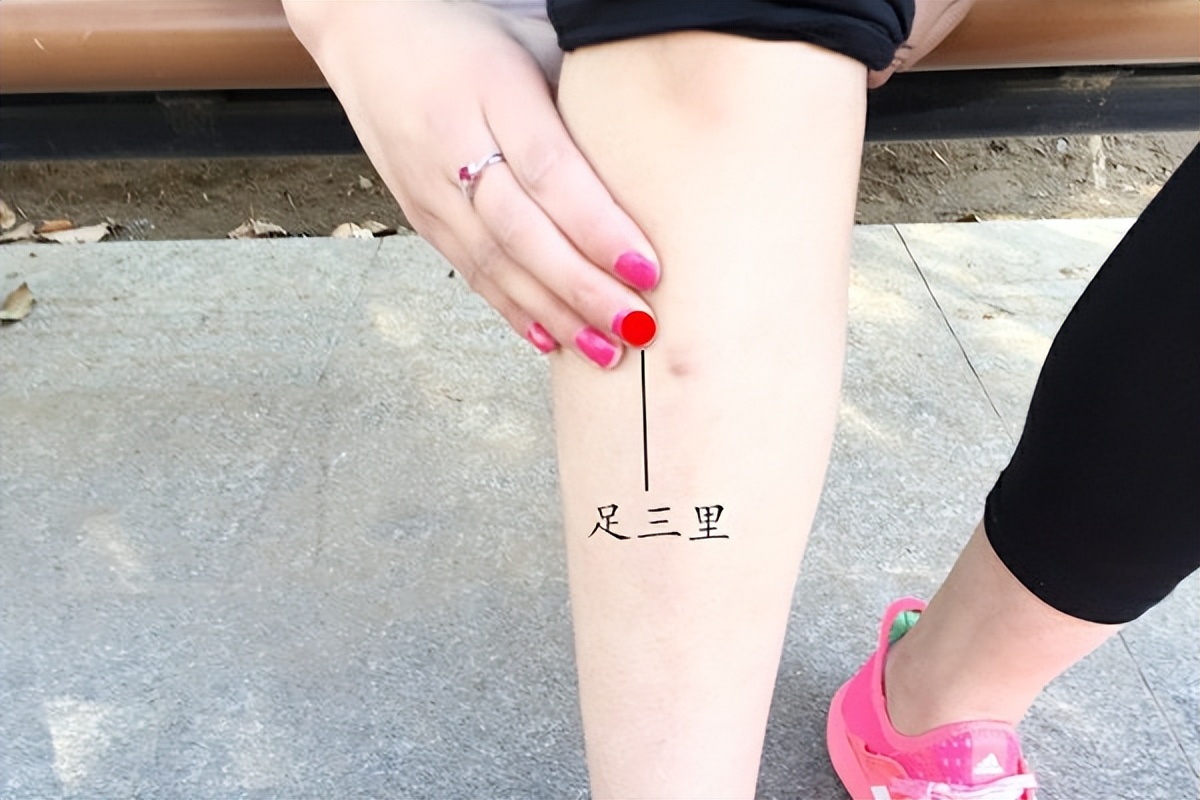
Acupoint massage is also an effective method for regulating the spleen and stomach. For example, massaging the Zusanli point (ST36, located three inches below the knee) can promote the secretion of digestive juices and aid digestion; massaging the Zhongwan point (CV12, located on the midline of the abdomen, four inches above the umbilicus) can regulate spleen and stomach functions and alleviate symptoms of spleen and stomach deficiency.
IV. Traditional Chinese Medicine (TCM) Conditioning Methods
1. Herbal Conditioning
Under the guidance of Traditional Chinese Medicine (TCM), herbal medicines with effects of strengthening the spleen and harmonizing the stomach can be used for conditioning. Herbs such as Atractylodes macrocephala (Bai Zhu), Codonopsis pilosula (Dang Shen), and Poria cocos (Fu Ling) are beneficial for improving symptoms of spleen and stomach weakness. However, please note that the use of herbal medicine should be based on individual constitution and a physician's advice.
2. Acupuncture Treatment
Acupuncture is a traditional TCM therapy that has excellent efficacy for spleen and stomach weakness. By stimulating specific acupoints, it can harmonize Qi and blood and promote the digestive and absorptive functions of the spleen and stomach. However, acupuncture treatment must be sought from a professional TCM practitioner.
3. Moxibustion Therapy
Moxibustion is a form of thermal therapy that promotes the circulation of Qi and blood while strengthening the functions of the Spleen and Stomach. Simple moxibustion treatments can be performed at home, such as applying moxibustion to the Zusanli (ST36) and Zhongwan (CV12) acupoints. However, safety precautions must be taken to avoid skin burns.

4. Cupping Therapy
Cupping can promote the circulation of Qi and blood, relieve muscle pain, and improve local blood circulation. When regulating the Spleen and Stomach, cupping therapy can be applied to acupoints on the back, such as Pishu (BL20) and Weishu (BL21).
Since everyone's physical condition and the severity of their illness vary, it is recommended to undergo conditioning for spleen and stomach weakness under the guidance of a physician to ensure safety and efficacy!