Pediatric Rhinitis: Whether in the Acute Phase, Remission Phase, or Prone to Recurrence, Master These 3 Traditional Chinese Medicine Approaches!
What is the most distressing part of suffering from rhinitis?
It feels as though one can never fully break free from it!
These are the words of a 12-year-old girl that have remained deeply etched in my memory.
The child mentioned that she usually uses saline nasal irrigation, yet she still suffers from continuous sneezing every morning or whenever she catches a slight chill. During acute flare-ups, she uses anti-inflammatory medications or nasal sprays to suppress the symptoms; however, more often than not, the condition simply recurs repeatedly.
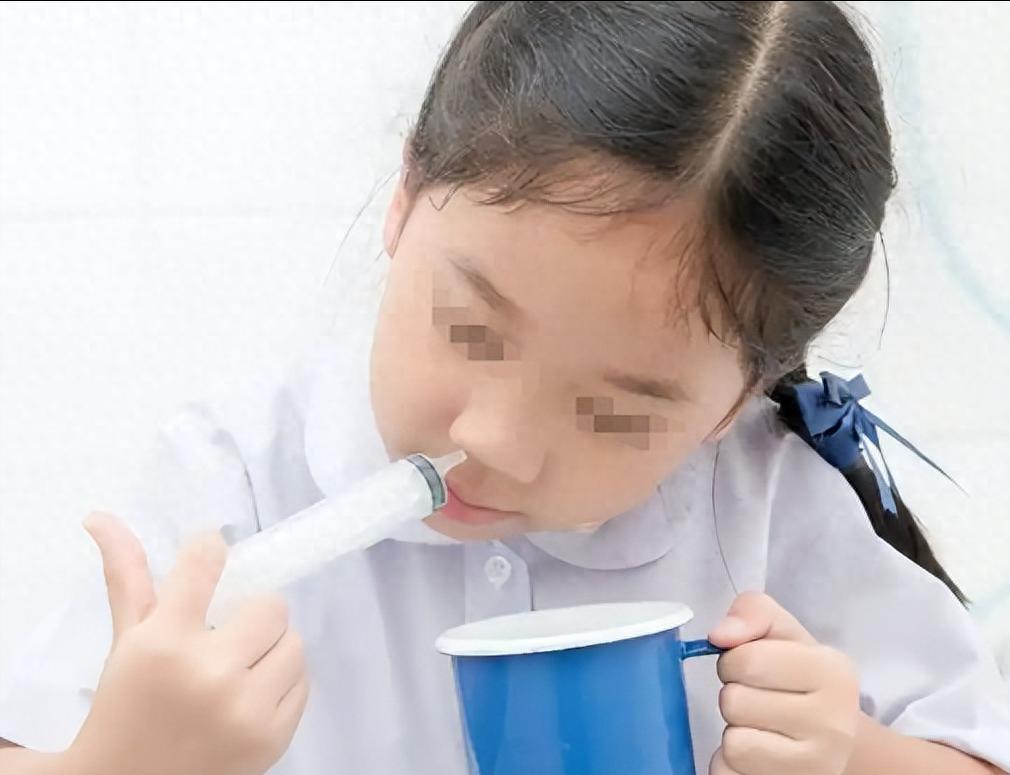
Consequently, the child said she seems to have become accustomed to and accepted the fact that rhinitis is a constant presence; over time, she stopped believing it could ever be completely cured.
In fact, whether the condition is in a recurrent phase, an acute flare-up, or a remission period, based on my years of experience, as long as these three key points are thoroughly understood, the issue is generally manageable.
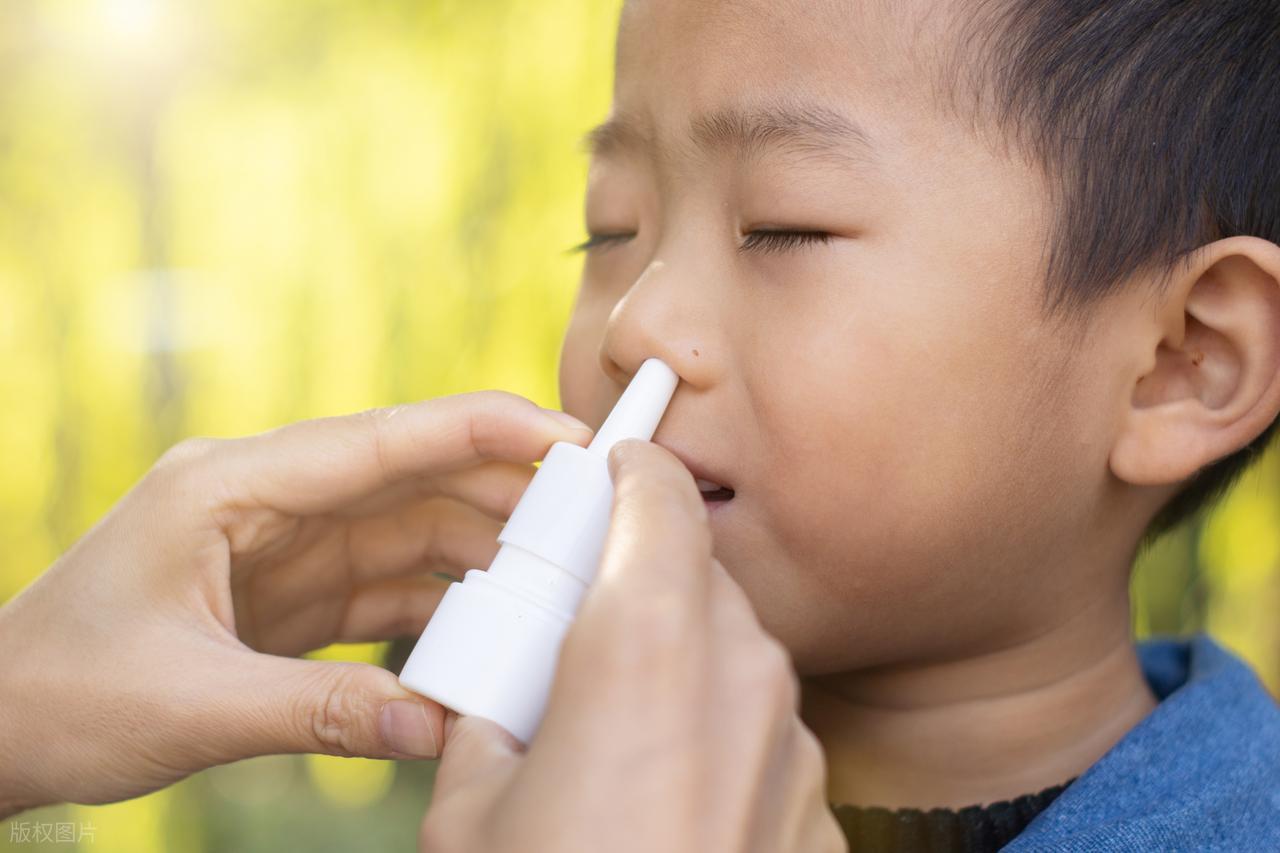
Acute Phase: Focus on treating symptoms, primarily strengthening the Lung
This phase mostly presents with superficial symptoms of rhinitis, such as frequent sneezing, continuous nasal discharge, and severe nasal congestion. These are typically caused by "pathogenic factors" invading the child's Lung system. Since the Lung opens into the nose, pathogens enter through the nasal passage and trigger these reactions. At this stage, the priority is to expel the pathogens, commonly using:
Flos Magnoliae (Xin Yi) and Fructus Xanthii (Cang Er Zi): To disperse cold and unblock the nasal orifices, directly guiding the medicinal effects upward to the nasal passages;
Radix Saposhnikoviae (Fang Feng): To guard against wind-cold; it can both prevent the invasion of external pathogens and expel wind-pathogens that have already entered;
Radix Angelicae Dahuricae (Bai Zhi): Capable of dispelling wind and eliminating dampness, unblocking the orifices and relieving pain; it is particularly effective for rhinitis accompanied by headaches.
Remission Phase: Strengthening the spleen and consolidating the foundation; the spleen is the "mother" of the lung.
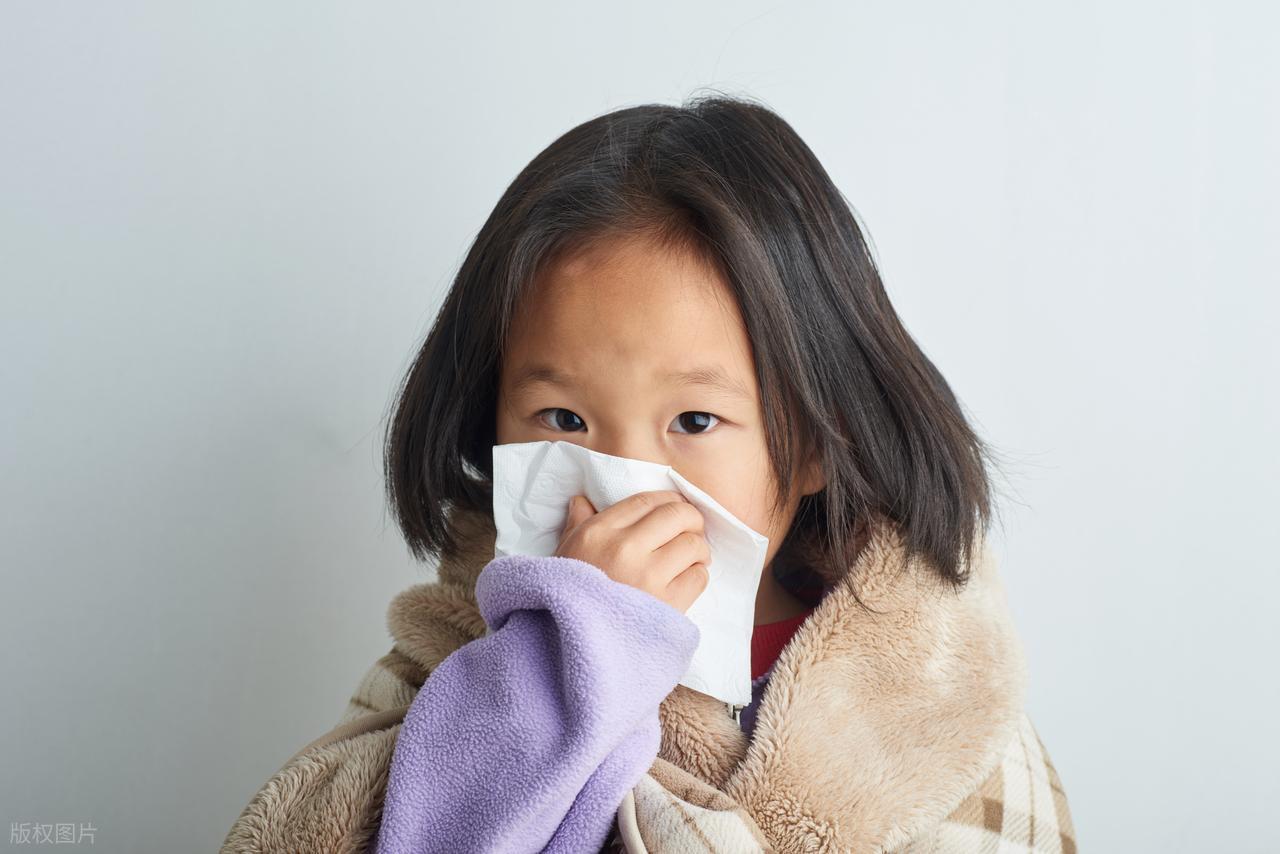
After the superficial symptoms are relieved, the focus shifts to consolidating the foundation, and the therapeutic approach must transition to reinforcement. Commonly used:
Radix Astragali (Huang Qi): The "king of Qi tonics," it supplements the Qi of the spleen and lungs and enhances the child's immunity.
Atractylodes macrocephala (Bai Zhu): Strengthens the spleen and solidifies the root, generating Wei Qi (defensive qi) from the source to defend against external pathogens.
Dioscorea opposita (Shan Yao/Chinese Yam): Tonifies the spleen, lungs, and kidneys; its nature is very mild and suitable for children.
Poria cocos (Fu Ling): Strengthens the spleen while eliminating dampness; as the spleen prefers dryness and dislikes dampness, this reduces the production of nasal discharge.
Recurrence Prevention Phase: Warming the kidneys and solidifying the root.
For rhinitis characterized by distinct seasonal flare-ups and year-round recurrence, clinical observation suggests that it is often rooted in a congenital deficiency of Kidney Qi. Treatment focuses on consolidation, regulation, and supplementation. Frequently used methods include:
Cuscuta chinensis (Tu Si Zi): It can both supplement Kidney Yang and benefit Kidney Essence; its nature is mild, making it suitable for children with chronic illness and physical deficiency.
Psoraleae Fructus (Bu Gu Zhi): It possesses strong potency for warming and tonifying the Spleen and Kidney. It is highly effective for deficient asthma caused by the Kidney's failure to grasp Qi, as well as persistent sneezing in the morning.
After reading this, some parents might ask: "Can I simply administer the corresponding medication based on the stage of my child's rhinitis?"
Absolutely not!
Even if children present with similar symptoms, their tongue coatings and pulse patterns may differ. Consequently, the medication must also vary; the most important factor is prescribing based on syndrome differentiation.