After the Start of Winter, replace Angelica Sinensis and Astragalus with this; drink for 30 consecutive days to replenish Qi and Blood and warm the entire body.
This situation occurs frequently in the outpatient clinic: parents prepare dietary therapies or small TCM formulas to nourish their children, but the effects are not significant, and in some cases, the condition even worsens.
Traditional Chinese Medicine emphasizes health preservation in accordance with the seasons; not every prescription is suitable for every child. Take autumn and winter as examples: these seasons are governed by "astringency" and "storage." As Yang Qi withdraws inward and Yin Qi gradually flourishes, it is the optimal time for tonification and energy storage.
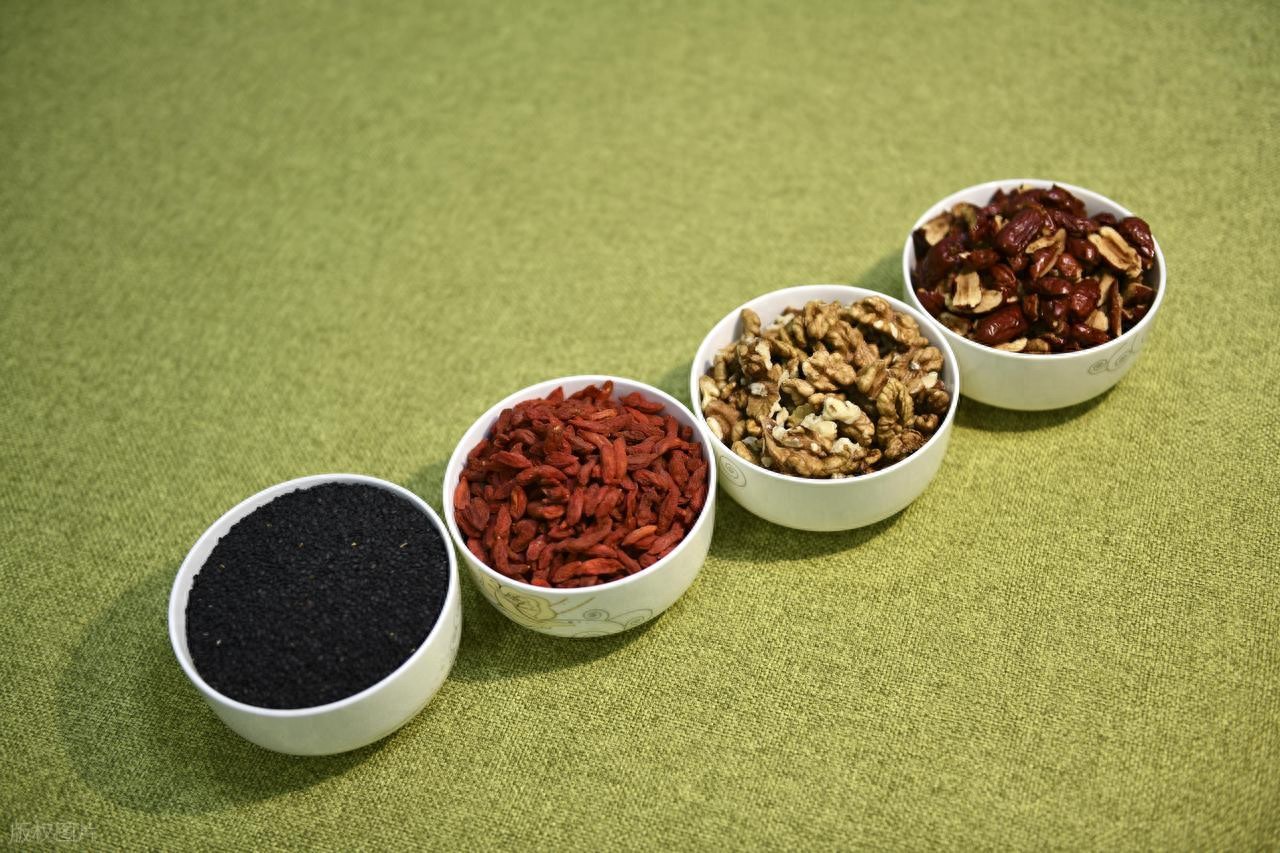
However, temperatures are lower during autumn and winter. Cold pathogens can cause Qi and Blood to stagnate, leading to slowed blood circulation—much like a frozen water pipe where flow is obstructed. Based on my observations, children often exhibit the following manifestations:
● Lethargy and a lack of desire to move;
● Cold extremities (hands and feet) and aversion to cold;
● Poor appetite and restless sleep;
● Most children will also experience a slowdown in growth rate, with a sallow complexion and a lack of vitality.
In such cases, if you wish to use dietary therapy, you can try Five Red Soup.
The ingredients are simple and mostly consist of items used for both food and medicine with mild properties, including red dates, goji berries, peanuts, red beans, and brown sugar.
Specifically:
Red dates (Jujubae Fructus) tonify the middle jiao, replenish Qi, nourish the blood, and calm the nerves;
Red beans (Adzuki beans) strengthen the spleen and promote diuresis;
Red-skinned peanuts can supplement the blood and harmonize the spleen and stomach;
Goji berries (Lycium barbarum) nourish the liver and kidneys, and supplement essence to improve eyesight;
Lastly, brown sugar is warm in nature; it can warm the body and benefit the circulation of Qi and blood, making it suitable for individuals who frequently experience cold hands and feet.
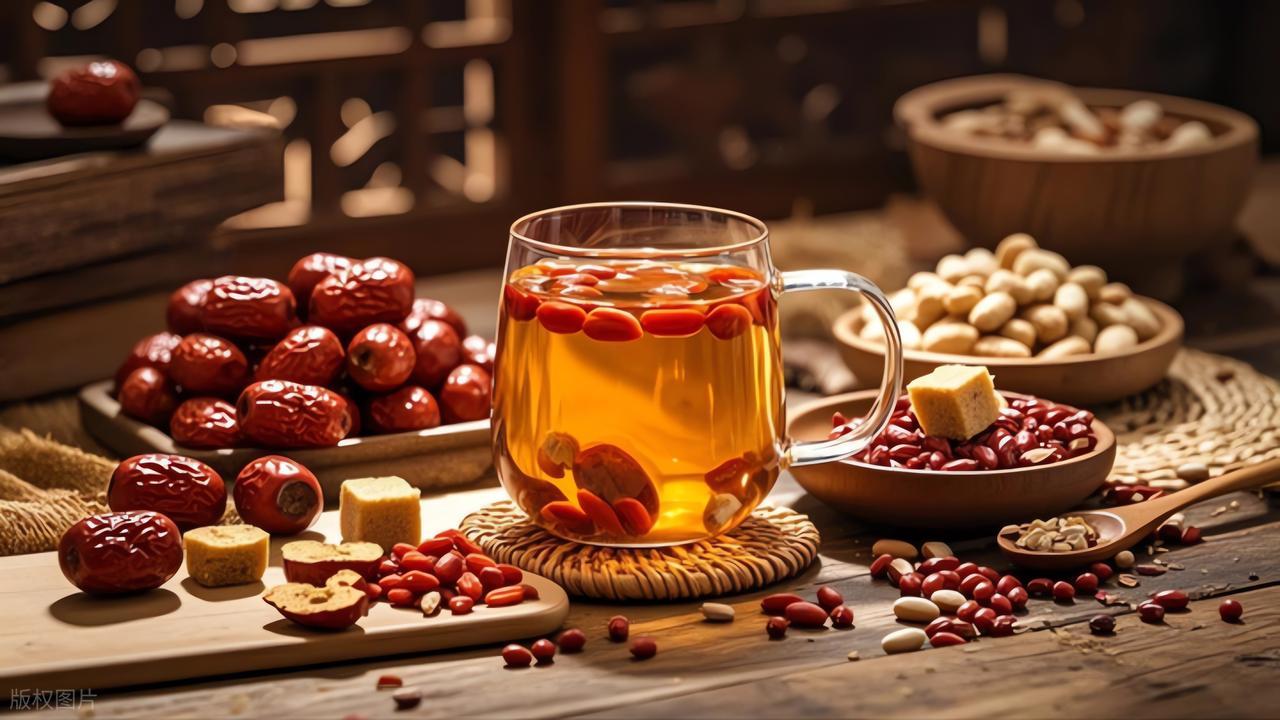
In recent years, many children have undergone height conditioning during the autumn and winter months. A significant portion of them achieved growth rates even faster than those seen in spring and summer—some growing as much as 3 cm in a single month. This demonstrates that growth does not stall in autumn and winter; rather, it is often because we fail to provide "manual promotion" to keep these "frozen pipes" flowing.
At that time, the child was only 8 years old but was already nearly 5 cm behind in height. The parents were so anxious they were moved to tears, stating that there had been almost no growth for over half a year.
Based on the syndrome differentiation, the child's slow growth rate was attributed to Spleen and Kidney deficiency and insufficiency of Qi and Blood, accompanied by a yellowish complexion and lethargy. Following a personalized prescription and conditioning for one month, the child grew by 3 cm. With subsequent consolidation therapy, the child has continued to grow at a steady pace.
At that time, the dietary therapy was paired with this "Five-Red Soup" (Wu Hong Tang). Even the child's parents have been drinking it consistently, noting that others have commented on how much their complexion and vitality have improved recently.
This is what I often say: much of the nutrition is hidden within whole grains, and dietary therapy must be practiced correctly—this is especially true for children.