Cold Hands and Feet as Soon as Winter Arrives? Boil Water with These 3 Herbs to Replenish the Body's Yang Qi
Many parents report that their children's hands and feet become ice-cold even before winter fully arrives. Even when wrapped in multiple layers, they remain cold and fail to warm up after a long time.
From the perspective of Traditional Chinese Medicine (TCM), this is mostly an issue of the child's constitution. It often reflects a constitutional state characterized by a deficiency of Yang Qi and poor circulation of Qi and Blood.
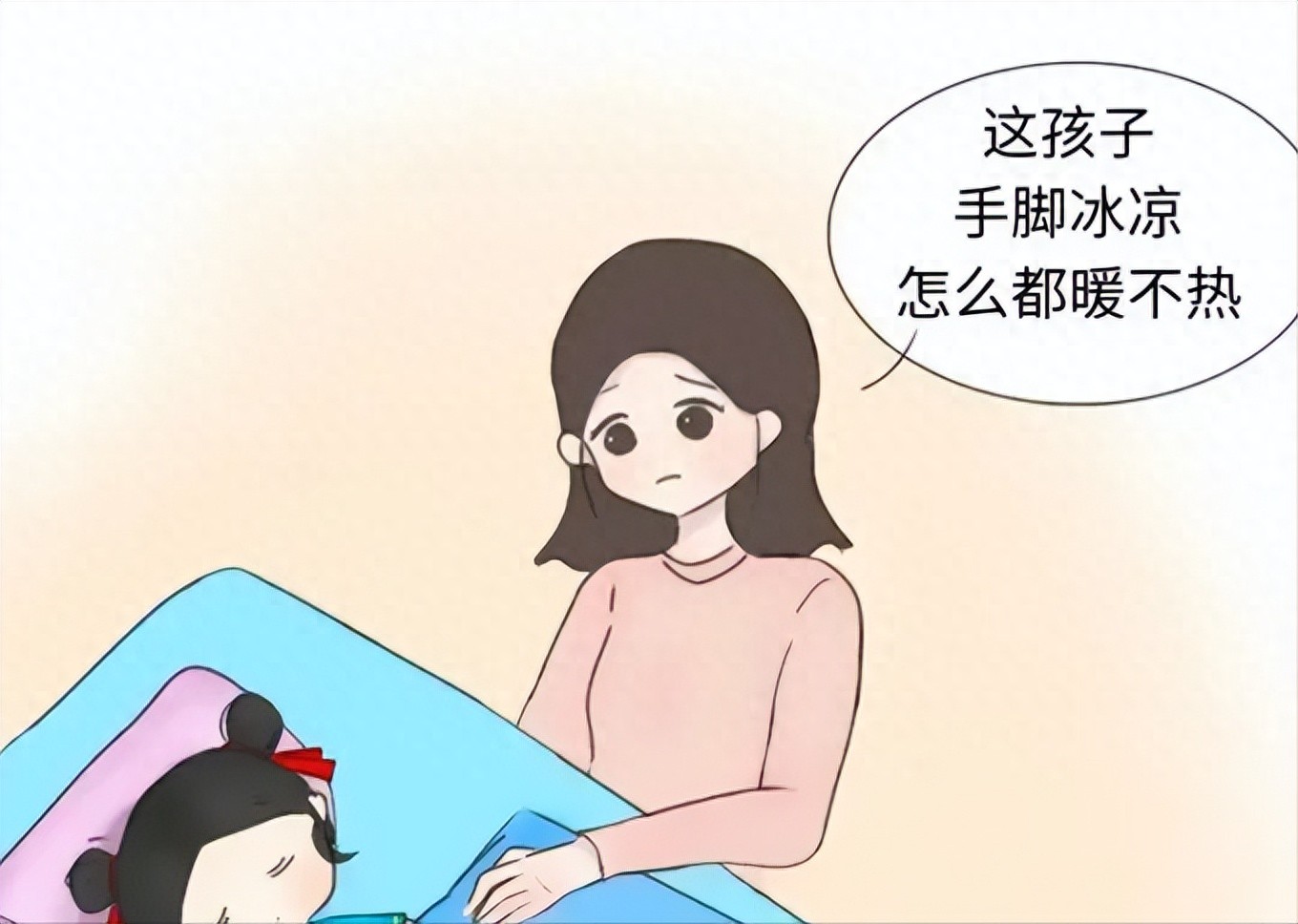
Traditional Chinese Medicine (TCM) holds that children possess "immature Yin and immature Yang," with delicate viscera and incomplete physical development and Qi. During winter, when cold pathogens prevail, if a child's internal Yang Qi is insufficient, it cannot adequately warm the extremities, resulting in cold hands and feet.
Yang Qi acts like a small sun within the body, responsible for promoting the circulation of Qi and Blood and warming the entire system. If Yang Qi is weak or its flow is obstructed, Qi and Blood struggle to reach "remote areas" like the hands and feet, naturally allowing cold to take hold. This condition is more common in children with deficient constitutions, weak Spleen and Stomach function, or those who lack physical activity.
In addition to cold hands and feet, these children are often prone to aversion to wind, have a pale complexion, and exhibit low energy levels. Furthermore, due to an insecure Defensive Exterior (Wei Qi), they are susceptible to colds and coughs upon exposure to wind-cold. The key to treatment lies in warming and supplementing Yang Qi while dispelling cold and unblocking the meridians; however, the approach must not be overly warming or drying to avoid fueling internal heat and damaging Yin.
Here is a gentle dietary therapy recipe, specifically suited for a child's delicate constitution:
3 medicinal herbs as a tea substitute to help boost your Yang Qi
【Composition】
Radix Adenophorae (Shashen) 6g, Cortex Cinnamomi (Rougui) 6g, Ramulus Cinnamomi (Guizhi) 6g. Add approximately 300ml of fresh water, bring to a boil over high heat, then reduce to low heat and simmer for 10-15 minutes. Filter the decoction and drink.
【Formula Analysis】
Although this formula is small, it addresses three therapeutic directions: warming Yang, dispersing cold, and nourishing Yin.
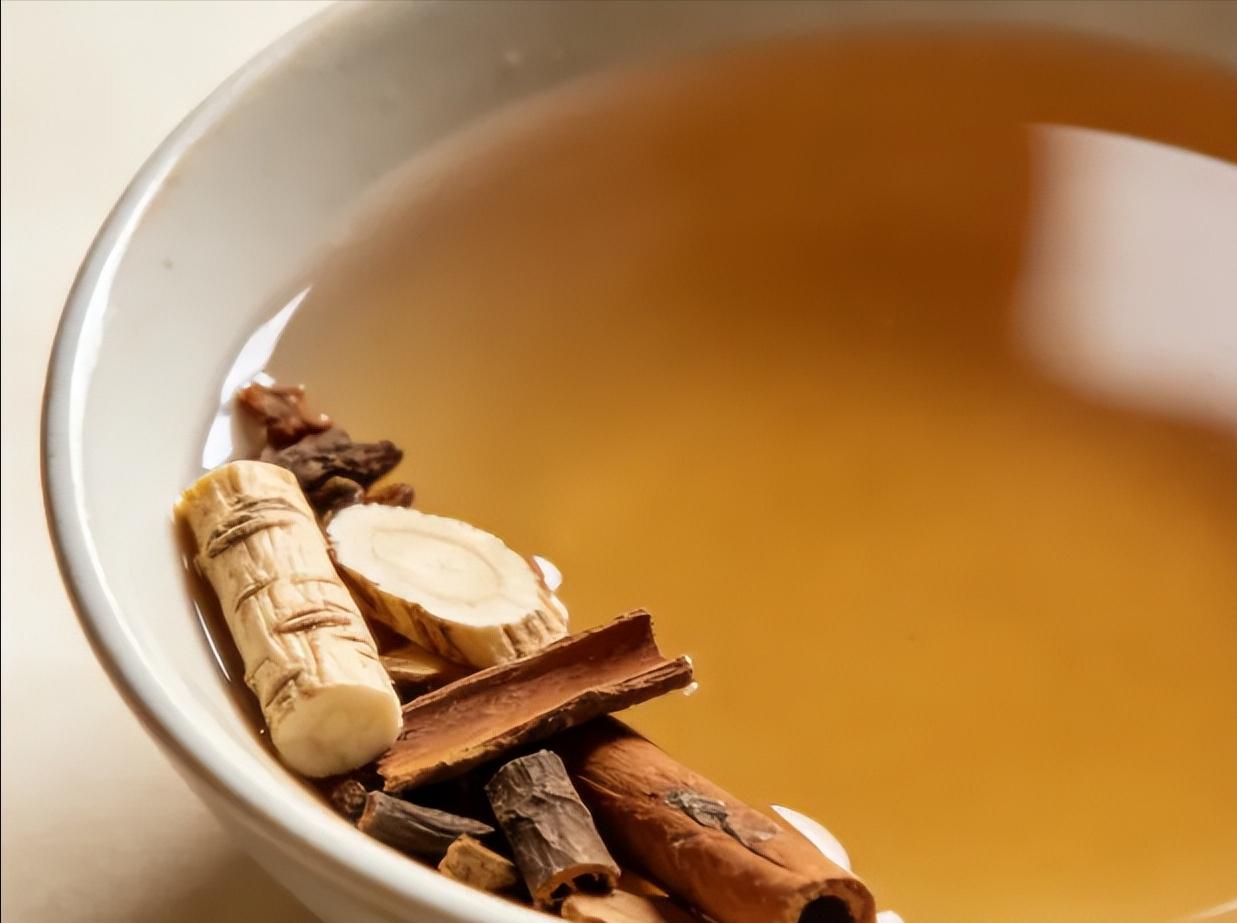
• Cinnamomi Cortex (Rougui): It is hot in nature and can supplement fire to assist Yang, disperse cold, and relieve pain. It is particularly adept at warming and unblocking the blood vessels, directing Yang Qi toward the four limbs.
• Cinnamomi Ramulus (Guizhi): It is warm in nature and excels at inducing diaphoresis to release the muscle layer and warming the meridians. It acts like clearing a pipeline, smoothly delivering Yang Qi to the distal ends of the hands and feet.
• Adenophorae Radix / Glehniae Radix (Shashen): It is slightly cold in nature and can nourish Yin, clear the lungs, benefit the stomach, and promote the production of body fluids. Here, it serves as an "assistant and inhibitor" (Zuo Zhi), preventing the excessive warmth and dryness of Cinnamomi Cortex and Cinnamomi Ramulus from causing internal heat (Shanghuo). It also accommodates the physiological characteristic in children where "Yin is often insufficient," making the entire formula warm without being drying.
A child I treated not long ago also suffered from persistently cold hands and feet; even wearing thick socks to bed did not help. The child typically had a mediocre appetite, loose and unformed stools, and was consistently lethargic with a lack of physical activity.
Upon entering, her face appeared pale, lacking the healthy color seen in other children, and her lips were light in color. The tongue was pale with a white, moist coating, and the pulse was fine and weak.
The syndrome is differentiated as a typical deficiency of Spleen Yang in the Middle Jiao, resulting in insufficient warming capacity and the inability of Qi and Blood to reach the four extremities. This falls under the TCM category of "Cold Extremities" (Deficiency-Cold type).
The prescription was based on a modified Huangqi Jianzhong Decoction. The parents were advised to give the child foot soaks before bed and to include more Spleen-strengthening foods in the diet, such as Chinese Yam and Millet.
After the first ten-day course of medication, the parents reported with great joy that the child was sleeping soundly and was now able to warm the bedsheets with their own body heat.
Following another month of treatment, the child's appetite improved significantly, they showed more energy than before, and their complexion appeared healthy and rosy.