The colder the "Sanjiu" days, the more we must protect children's Yang Qi! This one soup is more effective than Shengmai Yin or Yupingfeng!
The dates for this year's "Sanjiu" (Three Nine-Day periods) are:
First Nine: December 21, 2025, to December 29, 2025
Second Nine-Day Period: December 30, 2025, to January 7, 2026
Third Nine-Day Period: January 8, 2026, to January 16, 2026
There is a well-known saying: "Train in the Third Nine-Day Period of winter and the Three Periods of Summer Heat." The Third Nine-Day Period (Sanjiu) is the coldest time of the year, when Yang Qi is closed and stored. Since children's Zang-Fu organ functions are not yet fully developed, they are most susceptible to invasion by Cold Pathogens during this time, leading to damaged Yang Qi.
Many parents find that their children become "hospital regulars" during the autumn and winter seasons, suffering from recurrent colds, coughs, and diarrhea. In fact, the root cause is often a deficiency of Yang Qi.
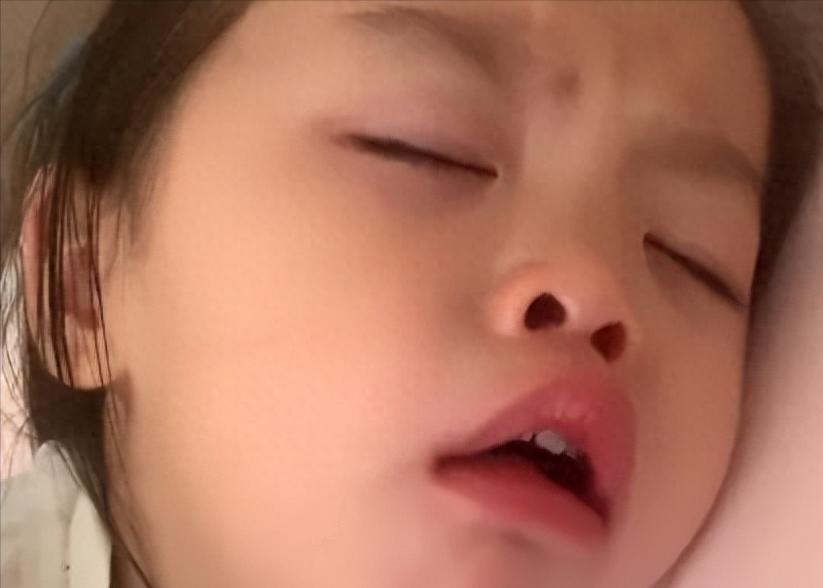
✅ Deficiency of Yang Qi → Weakened Wei Qi (Defensive Qi) → Susceptibility to Wind-Cold
✅ Deficiency of Spleen and Stomach Yang Qi → Dysfunction of Transport and Transformation → Food Stagnation, Anorexia, Diarrhea
✅ Deficiency of Lung Qi → Decreased Respiratory System Defense → Recurrent Cough, Wheezing
These are the most common pediatric conditions during autumn and winter. Although they may not seem like major illnesses, constant recurrence can weaken a child's constitution and negatively impact their physical growth and height.
This winter, I have treated many children with poor constitutions who suffer from constant minor illnesses as soon as winter arrives. Many have also contracted the flu and are finding it difficult to recover.
Among them was a 7-year-old child who had been in primary school for less than six months. The parents reported that the child had been out of school for nearly two months due to continuous illness.
When the child entered the clinic, his face appeared pale and lacked color; he looked listless and lacked energy.
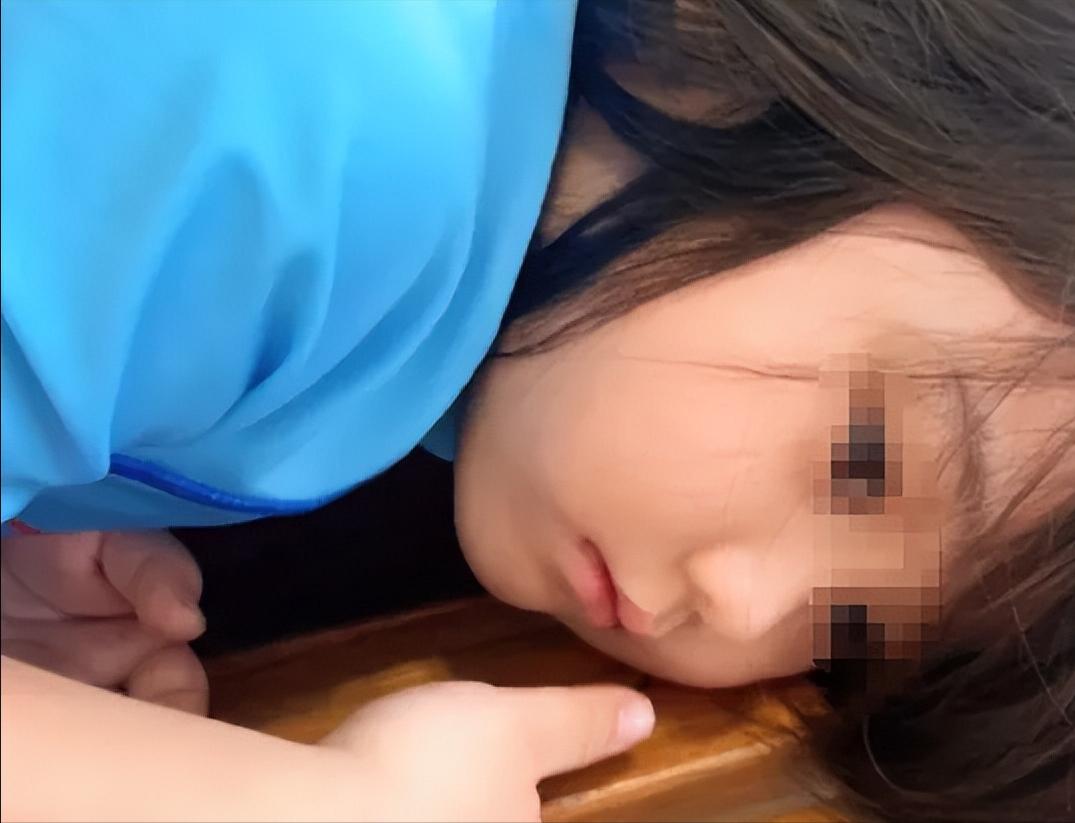
The parents stated that every time the child catches a cold, it lingers for two to three weeks, accompanied by a loss of appetite, restless sleep at night, and chronically cold hands and feet. They had tried conditioning products such as Shengmai Yin and Yupingfeng, but the results were not significant.
Upon examining the child's tongue coating, it appeared as if a refrigerator had just been opened—the surface was watery and slippery, with faint teeth marks visible. Combined with the parent's description of "poor appetite, indigestion after eating, low physical activity, and being heavily bundled up in winter," the pattern was differentiated as deficiency of Middle Yang, deficiency-cold of the Spleen and Stomach, accompanied by dampness stagnation. Consequently, the Yang Qi is unable to warm the entire body, and the defensive exterior is not secure, making the child susceptible to invasion by external pathogens.
Considering the delicate nature of children's spleens and stomachs, which makes overly warming or drying medicinal herbs unsuitable, I did not utilize a formula solely for tonifying Qi. Instead, based on the principles of warming the middle, strengthening the spleen, transforming dampness, and assisting Yang, I modified the Lizhong Pill formula and combined it with dietary therapy for regulation.
The first prescription was for a 10-day course of medication. By the follow-up visit, the child showed significant improvement: appetite had increased, and stools were gradually becoming well-formed.
Following the principle of "not changing a formula that is effective," the treatment continued for one month. The child's energy levels improved markedly, and their complexion appeared much more ruddy and healthy.
The "Sanjiu" period (the three nine-day periods following the Winter Solstice) is a "golden window" for nurturing a child's Yang Qi. During this time, efforts to support Yang yield twice the results with half the effort.
In addition to the therapeutic approach mentioned in the medical case above, parents should also pay attention to daily care. For dietary therapy, you can try this soup:
Pseudostellaria and Poria Lean Meat Soup
Prepare 10g of Pseudostellariae Radix (Taizishen), 10g of Poria (Fuling), 15g of Dioscoreae Rhizoma (Huai Shan), 10g of stir-fried Lablab Album (Chao Baibiandou), 2g of Citri Reticulatae Pericarpium (Chenpi), and 100g of lean meat (dosage for ages 3-6, adjust according to age). Follow standard soup-making procedures.
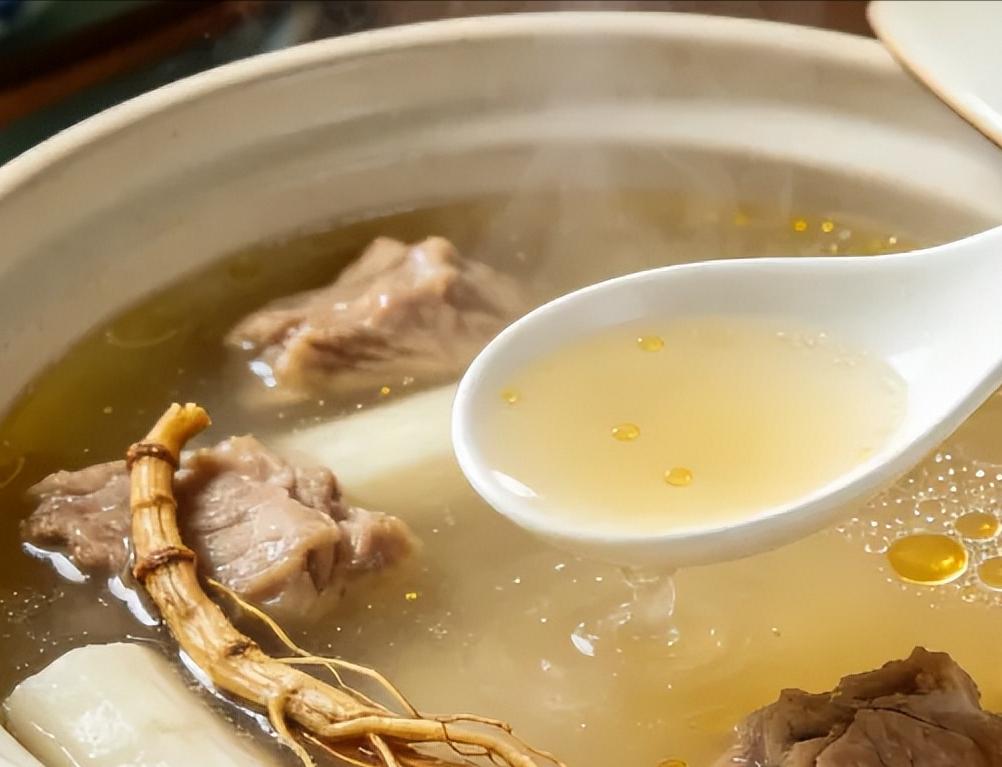
Efficacy: Pseudostellariae Radix (Taizishen) supplements Qi without causing excessive internal heat (dryness), preventing children from developing "fire" symptoms after consumption; Poria (Fuling) and stir-fried White Hyacinth Bean (Chao Baibiandou) strengthen the Spleen and eliminate dampness, improving the transport and transformation functions of the Spleen and Stomach; Huai Shan (Chinese Yam) mildly tonifies the Lungs, Spleen, and Kidneys, establishing a solid foundation for the generation of Yang Qi; Chenpi (Dried Tangerine Peel) regulates Qi and strengthens the Spleen, preventing the ingredients from being too cloying and obstructing the Stomach.
This soup targets the postnatal spleen and stomach to naturally generate and transform Yang energy. It is more suitable for long-term pediatric conditioning than formulas that solely supplement Qi, making it especially ideal for children with cold hands and feet, a susceptibility to colds, and poor appetite.