Some types of cold cannot be dispelled by ginger or mugwort; this remedy is what you truly need.
In the pediatric outpatient clinic, parents often ask if there are foot bath prescriptions or dietary therapy recipes suitable for children—primarily ones that children will accept and that are also effective.
Whether for foot baths or dietary therapy, ingredients like ginger and mugwort are used most frequently. This is especially true during the low temperatures of autumn and winter when children are susceptible to cold; these remedies are quite effective for discomfort caused by Wind-Cold attacking the exterior.
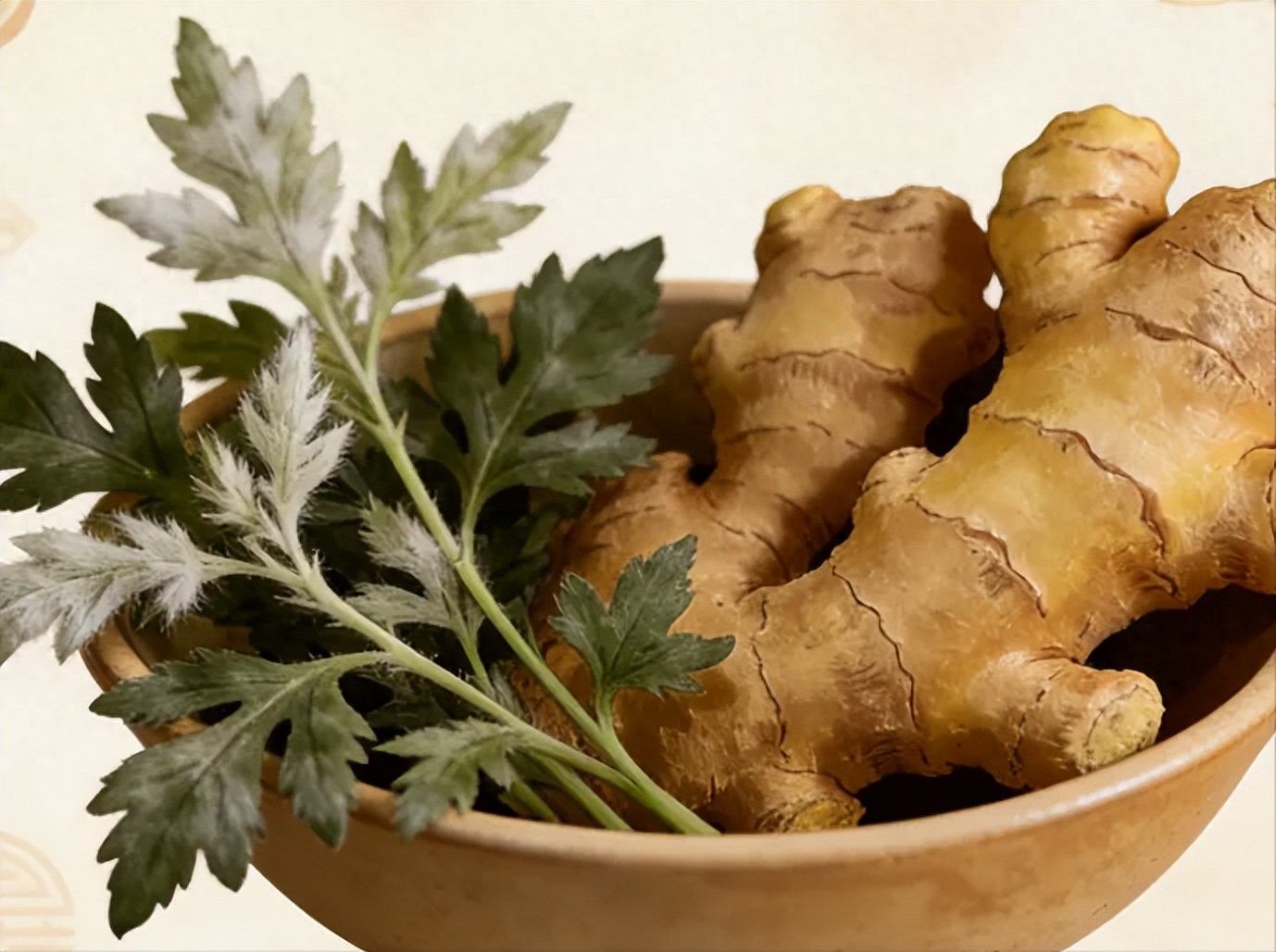
However, it is important to recognize that cold pathogens in children vary in depth and can be distinguished between internal and external.
Ginger and mugwort leaf primarily target exterior cold; they have difficulty dispelling interior cold.
Ginger is acrid and warm, capable of inducing diaphoresis to resolve the exterior and dispersing cold pathogens invading the body surface. Mugwort leaf is bitter, acrid, and warm, capable of warming the meridians to disperse cold, and is particularly adept at removing cold-dampness from the meridians.
These two medicinal herbs are indeed effective for exterior cold syndromes at the onset of exogenous wind-cold, characterized by aversion to cold, fever, nasal congestion, and clear rhinorrhea.
However, when the cold pathogen penetrates deeply, directly striking the viscera, using ginger or mugwort alone is like using a fan to blow on cold ashes deep within a furnace—the strength simply cannot reach.
A child's physiological characteristics are defined by "delicate viscera and insufficient physical form and Qi." Their Yang Qi is like a newly sprouted bud with weak resistance, making it easier for cold pathogens to drive straight in, forming "Interior Cold Syndrome" or "Cold-Fluid Retained in the Lungs."
At this stage, children often present with:
Frequent coughing with a rattling sound of phlegm, which is white, thin, and watery like foam.
Frequent abdominal pain and loss of appetite
Lethargy, pale complexion, and cold extremities
Recurrent and lingering illness that exacerbates with even slight exposure to cold
For this condition, it is necessary to use medications that can warm the middle jiao, supplement yang qi, and dispel cold from the zang-fu organs.
In Traditional Chinese Medicine (TCM) pediatrics, a commonly used class of formulas such as Xiao Jianzhong Decoction and Lizhong Decoction categories—with core medicinal herbs including Rhizoma Zingiberis (dried ginger), Ramulus Cinnamomi (cassia twig), and Radix Aconiti Lateralis Praeparata (processed aconite, which requires strict pattern differentiation for use)—possess the therapeutic effects of warming the middle jiao to disperse cold and recuperating depleted yang to rescue the patient from collapse. These can directly warm the spleen and stomach and expel deep-seated cold pathogens from the zang-fu organs.
I once treated a five-year-old boy who had been suffering from intermittent coughing for nearly two months. The symptoms were particularly severe at night and upon waking in the morning, accompanied by profuse, thin, and clear phlegm.
He had previously taken proprietary Chinese medicines containing Rhizoma Zingiberis Recens (fresh ginger) and Folium Perillae on multiple occasions; while these provided temporary relief, the condition relapsed shortly thereafter.
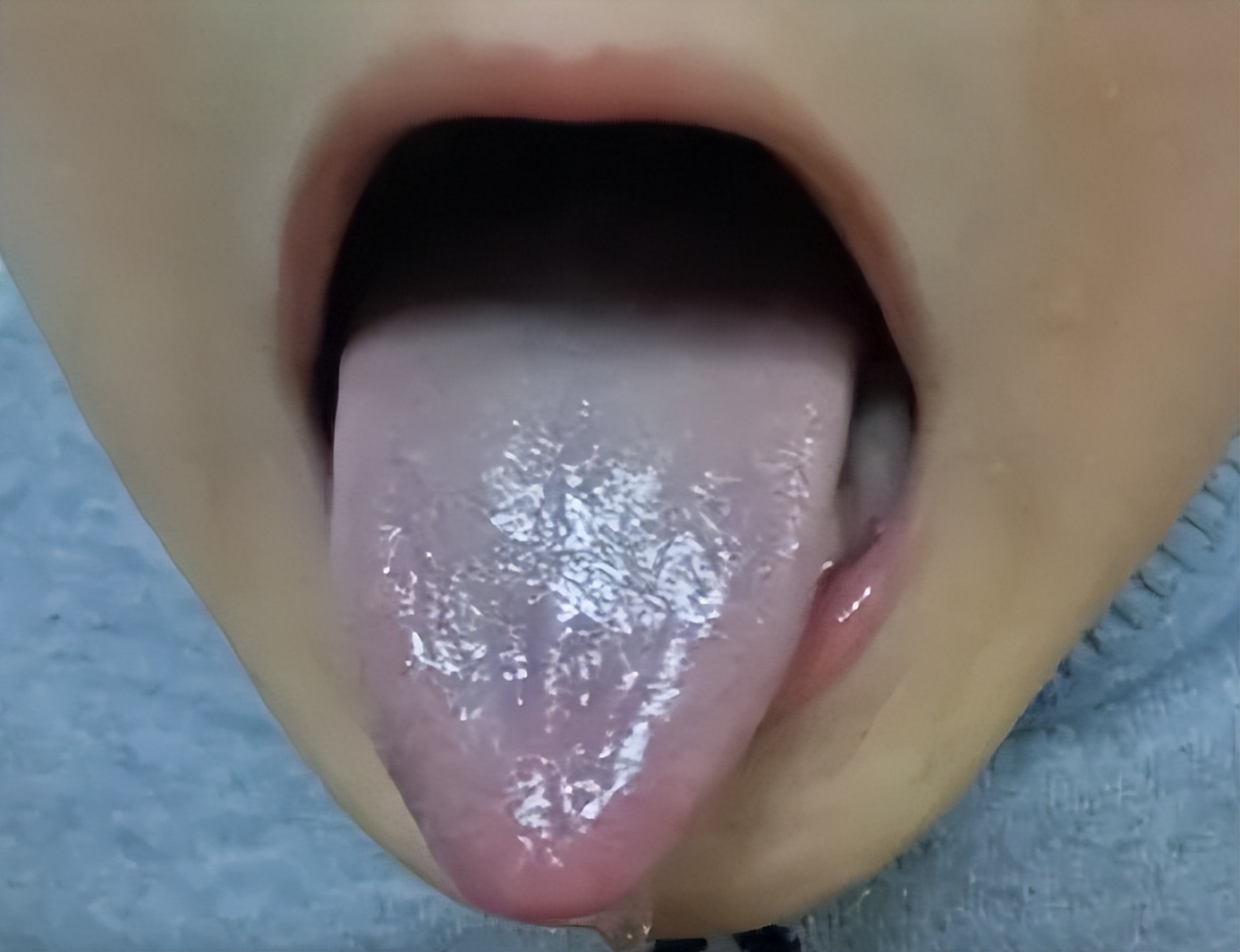
When the child arrived, his complexion was pale, his tongue was pale with a white, slippery coating, and his pulse was deep and thready. This is a classic presentation of cold-fluid retention lurking in the lungs combined with Spleen Yang deficiency, rather than a simple case of exterior cold.
The prescription was Xiao Qinglong Decoction with modifications, utilizing heavy doses of Rhizoma Zingiberis (Dried Ginger) and Herba Asari (Sinxin) to warm the lungs and resolve retained fluid, combined with Rhizoma Atractylodis Macrocephalae (Baizhu) and Poria (Fuling) to strengthen the spleen and dispel dampness. At the follow-up visit one week later, the cough had significantly subsided, and the child's face appeared healthy and rosy.
The focus of health maintenance during autumn and winter remains the protection of Yang Qi:
● Warm the back to protect Feishu (BL13)
The back contains vital acupoints such as Feishu, where wind-cold pathogens easily enter. Putting a small vest on the child to keep the back warm is a simple and effective method for preventing cold.
● Moderate Warm-Tonic Therapy
Based on the child's constitution, warm-natured foods may be consumed appropriately, such as porridge cooked with Chinese yam (Rhizoma Dioscoreae), red dates (Fructus Jujubae), and longan aril (Arillus Longan). However, these should not be overly rich or greasy to avoid obstructing the functions of the spleen and stomach.