Spleen Deficiency Stunts Growth, Kidney Deficiency Weakens Bones, and Lung Deficiency Leads to Frequent Illness! A Small Three-Herb Formula: Effective When Used Correctly
Recently, the outpatient clinic has finally quieted down a bit as the influenza outbreak has largely subsided.
Most children are currently in the recovery phase of the flu; they lack energy, appear listless and lethargic, and experience occasional bouts of coughing.
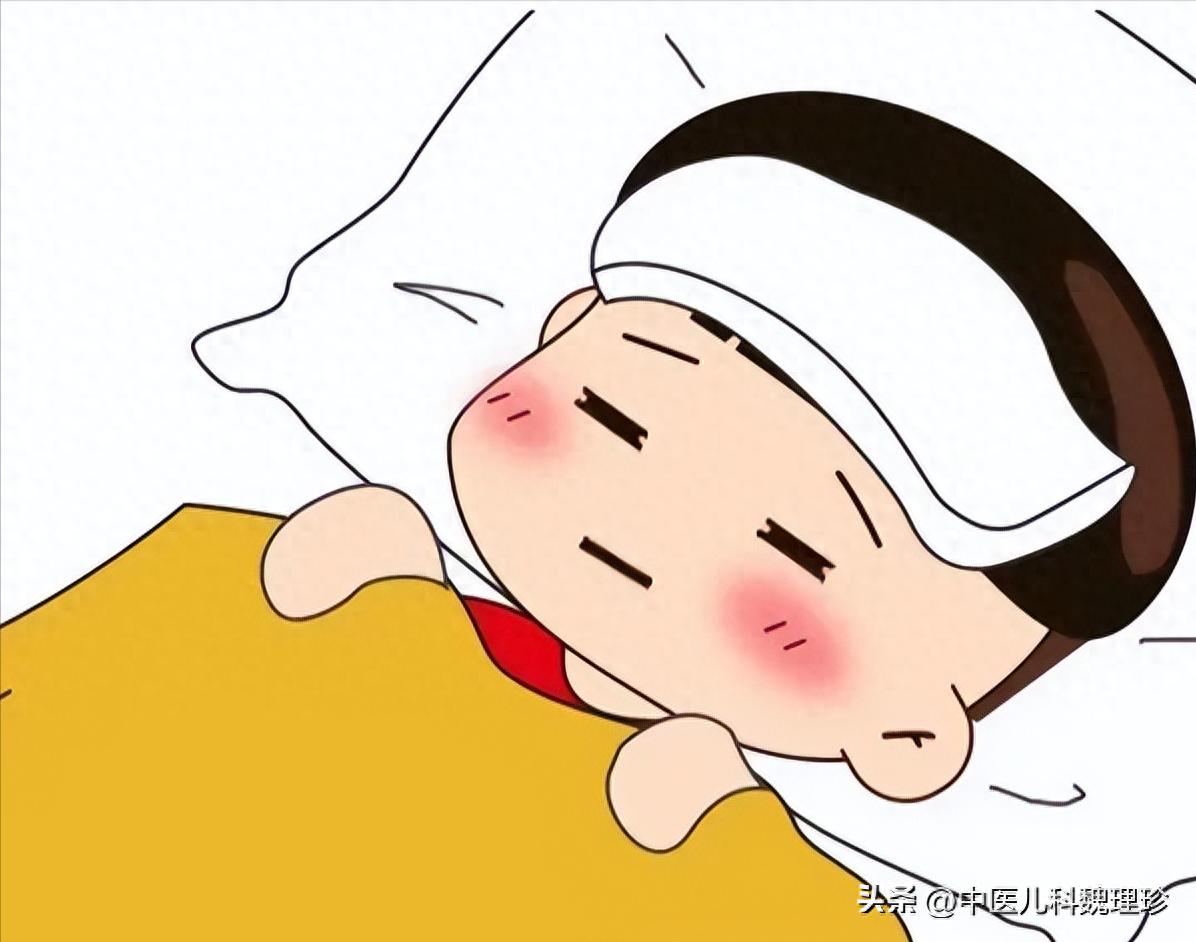
Furthermore, some parents have noticed that their children haven't grown even a single centimeter throughout the winter due to illness. Coupled with the impact of the flu, their physical constitutions have become even weaker, which may hinder their growth spurt in the coming spring.
Whether it is post-illness recuperation or strengthening the constitution to promote height growth, the approach must be targeted and based on the child's specific condition.
From the perspective of Traditional Chinese Medicine (TCM), the focus lies on three Zang-organs: the Spleen, Lung, and Kidney.
Spleen and Stomach — The Foundation of Postnatal Constitution
The nutrients required for a child's growth depend on the Spleen and Stomach's function of transporting and transforming the essence of water and grain. If a child has a weak Spleen and Stomach, on one hand,
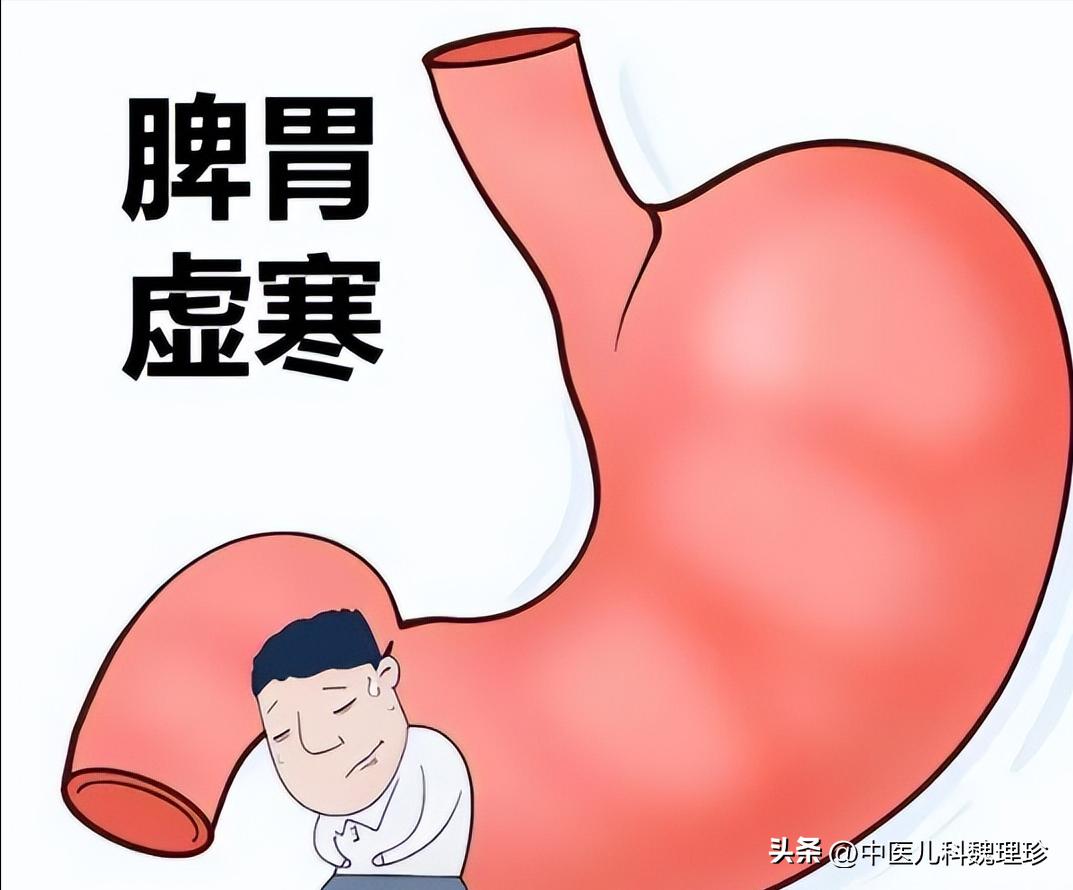
the food consumed cannot be transformed into the Qi and Blood required by the body, which affects the constitution; on the other hand, it will hinder height growth.
Kidney — The Foundation of Prenatal Constitution
The Kidney is the foundation of innate constitution; it governs the bones and generates marrow. Only when Kidney Essence is sufficient can the bones grow strong and vigorously.
A child's innate Kidney Essence is inherited from the parents. If the innate endowment is insufficient, or if postnatal care is improper (such as staying up late, overexertion, or depletion from chronic illness), it will lead to Kidney Deficiency.
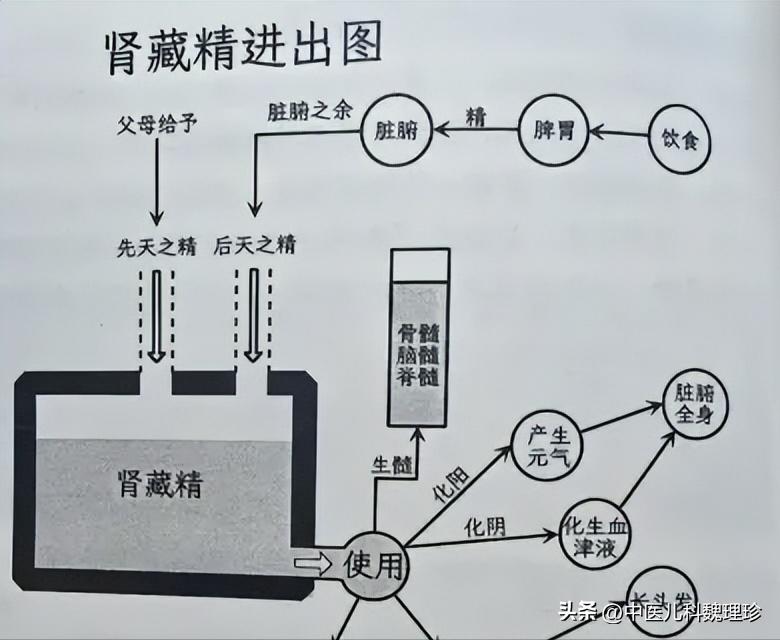
In cases of Kidney Deficiency, the source for the transformation and generation of bone marrow is depleted. Without adequate nourishment for the bones, issues such as delayed skeletal development, short stature, late teething, unsteady gait, and weakness in the lower back and knees may occur, potentially even affecting intellectual development.
Lung Deficiency — Unstable Defensive Qi (Wei Qi), Making the Body Vulnerable to External Pathogens
A child's Lungs are delicate. If there is Lung Deficiency, the Defensive Qi (Wei Qi) becomes insecure, and the opening and closing of the pores become dysfunctional. This makes the child susceptible to invasion by external pathogens such as Wind-Cold or Wind-Heat, leading to respiratory diseases like the common cold, cough, fever, and bronchitis.
There is a formula frequently used in clinical practice called Shen Qi Shan Yao Yin (Ginseng, Lycium, and Dioscorea Decoction). It consists of three medicinal herbs, with additions or subtractions made based on the child's specific condition.
Last November, I treated a 6-year-old child who was shorter and smaller than peers of the same age, with almost no height growth in the second half of the year.
Crucially, the child had been coughing persistently since October and subsequently contracted the influenza virus. During the consultation, I learned that the child was a very picky eater, disliked staple foods, and frequently experienced abdominal distension and loose stools. The child caught a cold at least once a week accompanied by a slight cough, suffered from restless sleep at night with a tendency toward night sweats, and presented with a pale tongue with a thin white coating and a thready, weak pulse.
TCM Diagnosis: Deficiency of the Spleen, Lung, and Kidney; insufficiency of Qi and Blood; and malnourishment of the bones.
The child's picky eating habits damaged the Spleen and Stomach. Spleen deficiency leads to insufficient transformation and production of Qi and Blood; Lung deficiency results in an insecure Defensive Qi (Wei Qi), making the body vulnerable to external pathogens; and chronic illness over time consumes Kidney Essence. These factors combined led to growth retardation and recurrent illness.
The prescription primarily focuses on strengthening the spleen and tonifying the kidney, while also taking the lungs into consideration.
Regarding diet, parents were instructed to correct the child's picky eating habits and incorporate more spleen-strengthening foods such as millet, pumpkin, and red dates, while avoiding raw, cold, greasy foods and snacks.
Regarding routine, it is essential to ensure the child goes to sleep before 9:00 PM to assist in nourishing the kidney essence; moderate outdoor activities should be encouraged to enhance physical constitution and promote bone development.
Within one month, the child showed significant improvement, appearing more energetic and much more active. The parents reported that the child has been eating and sleeping well recently, and is in excellent overall condition.
During the second follow-up visit just two days ago, the child had already grown 1.5 centimeters taller. The parents were extremely satisfied, noting that while their primary intention was to regulate the child's physical constitution, they hadn't expected such a significant increase in height.