Using the Throat as a Mirror: Observing the Throat to Assess the Health of the Five Internal Organs
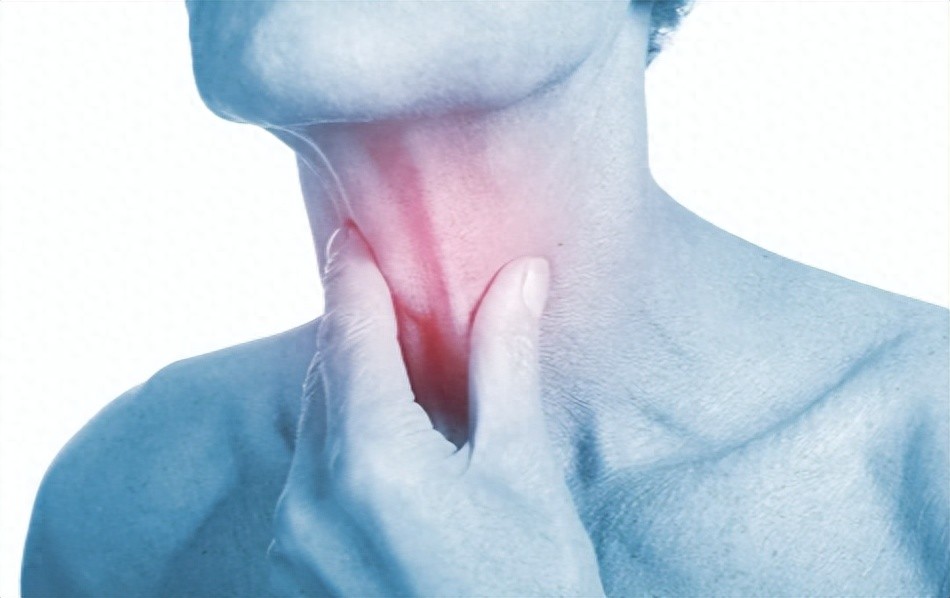
Traditional Chinese Medicine (TCM) believes that the throat acts as a mirror that can reflect issues within the five internal organs, as the throat is closely connected to our viscera. Below, I will discuss several throat manifestations and their relationship with the five internal organs.
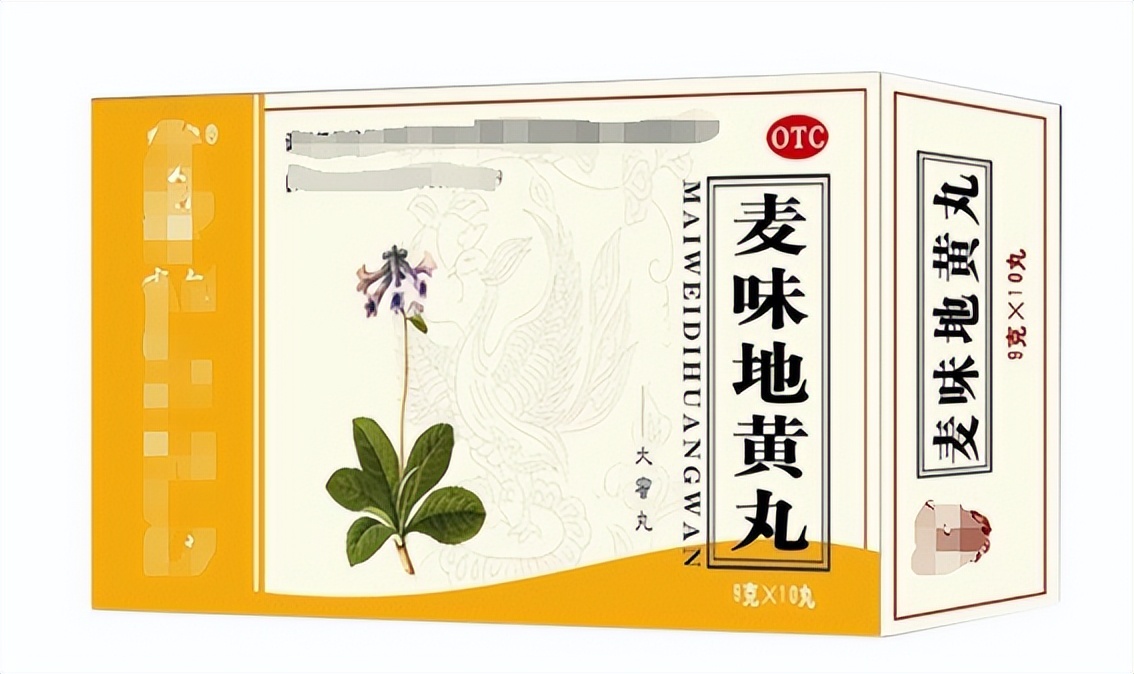
If you experience throat discomfort characterized primarily by dryness, itching, and pain—especially a burning sensation—accompanied by symptoms such as coughing, insomnia with excessive dreaming, and soreness or weakness in the lower back and knees, TCM considers this to be Kidney Yin Deficiency. Insufficient Yin fluid leads to a lack of nourishment for the throat. In such cases, Maiwei Dihuang Wan may be considered for reference.
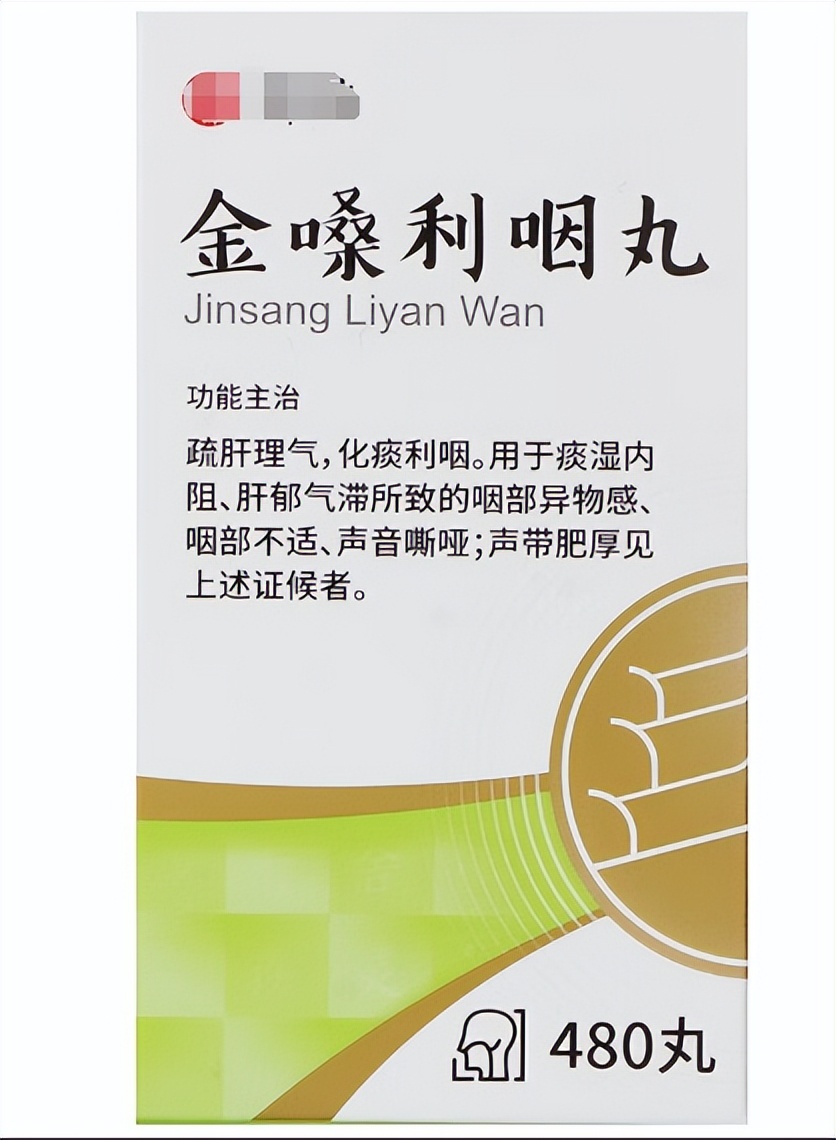
Alternatively, if you consistently feel a foreign body sensation in your throat or have phlegm—where it sometimes feels stuck and difficult to swallow, yet at other times is very easy to expectorate—Traditional Chinese Medicine (TCM) attributes this to Liver Qi Stagnation. When the Liver Qi is not flowing smoothly, fluid metabolism stagnates, leading to the formation of phlegm-dampness. This phlegm-dampness then accumulates in the throat. In such cases, it is necessary to regulate the Liver and resolve stagnation; Jinsang Liyan Wan may be considered as a reference.
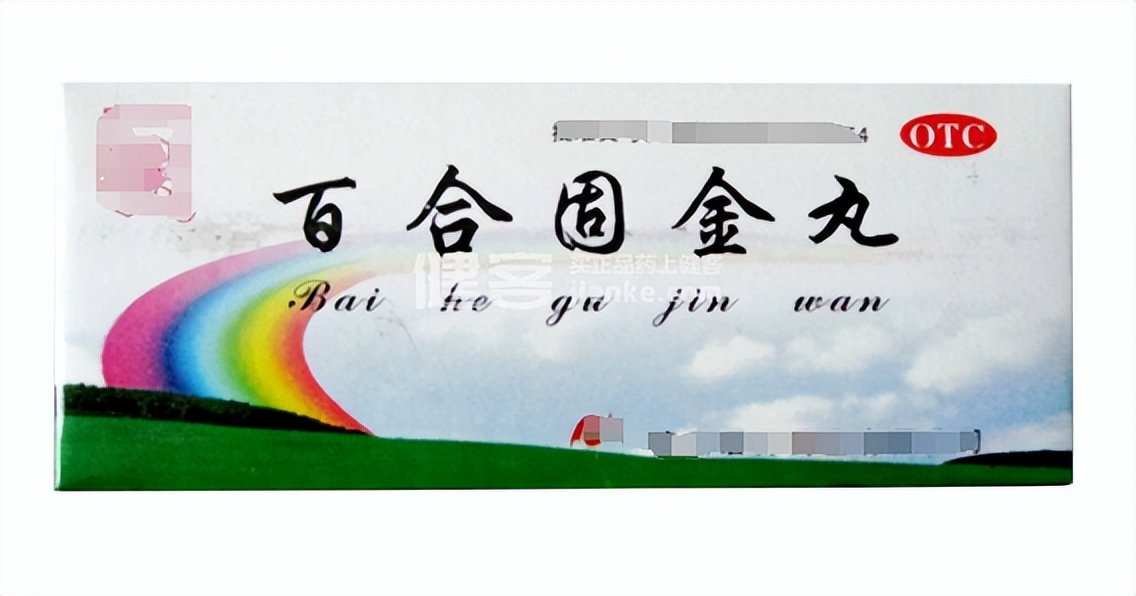
Furthermore, if your throat symptoms primarily manifest as dryness, itching, pain, hoarseness, and a small amount of sticky phlegm, accompanied by afternoon tidal fever and night sweats, TCM identifies this as Lung Yin Deficiency. Baihe Gujin Wan may be considered as a reference to nourish the Lung Yin.
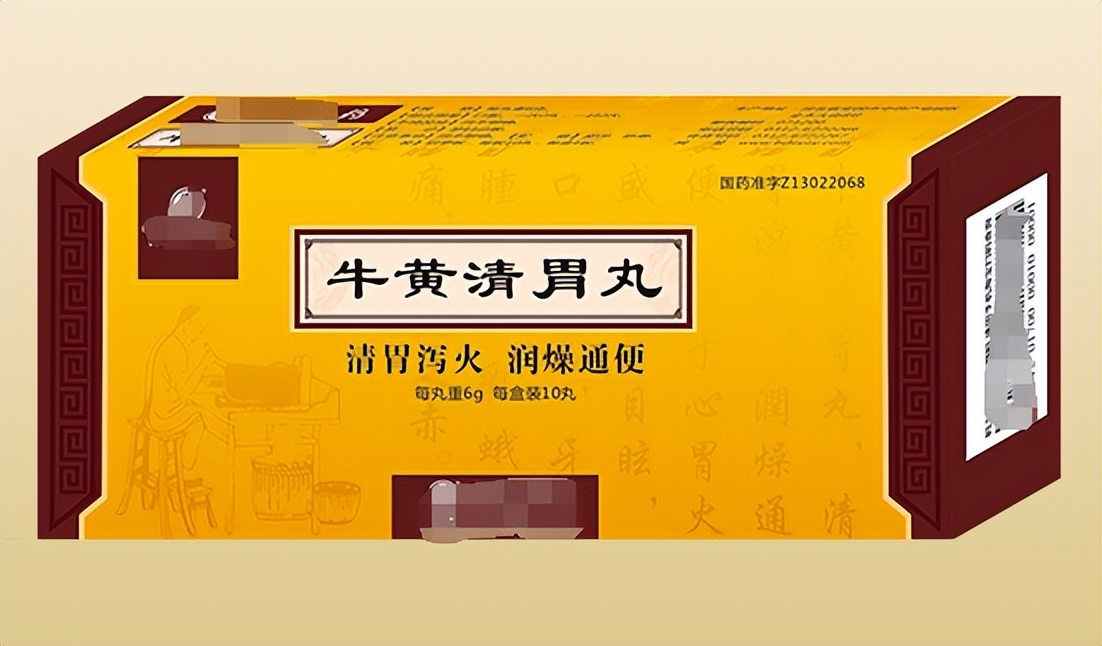
Finally, if you experience throat dryness, pain, and hoarseness specifically after consuming spicy food, and are prone to "internal heat" (Shanghuo), gastric discomfort or "noisy" stomach sensations, and a yellowish tongue coating, TCM considers this to be caused by Stomach Heat. In this situation, it is necessary to clear and purge Stomach Fire; Niuhuang Qingwei Wan may be considered as a reference.
However, Traditional Chinese Medicine (TCM) prescriptions require syndrome differentiation; the most effective treatment is the one tailored to your specific condition. If you experience the symptoms mentioned above, please consult a professional physician for a proper diagnosis and syndrome differentiation before beginning any therapeutic regimen.