Spleen Blockage Leads to Dampness, Lung Blockage Leads to Phlegm, Liver Blockage Leads to Flatulence: Three Chinese Patent Medicines to Clear Systemic Congestion
Our bodies are constantly in a state of operation, particularly the five Zang-organs. If the circulation of Qi, Blood, and Body Fluids is obstructed, various health issues will arise. For instance, spleen blockage leads to excessive dampness, lung blockage leads to excessive phlegm, and liver blockage leads to frequent flatulence. Today, I will explain these three conditions to you.
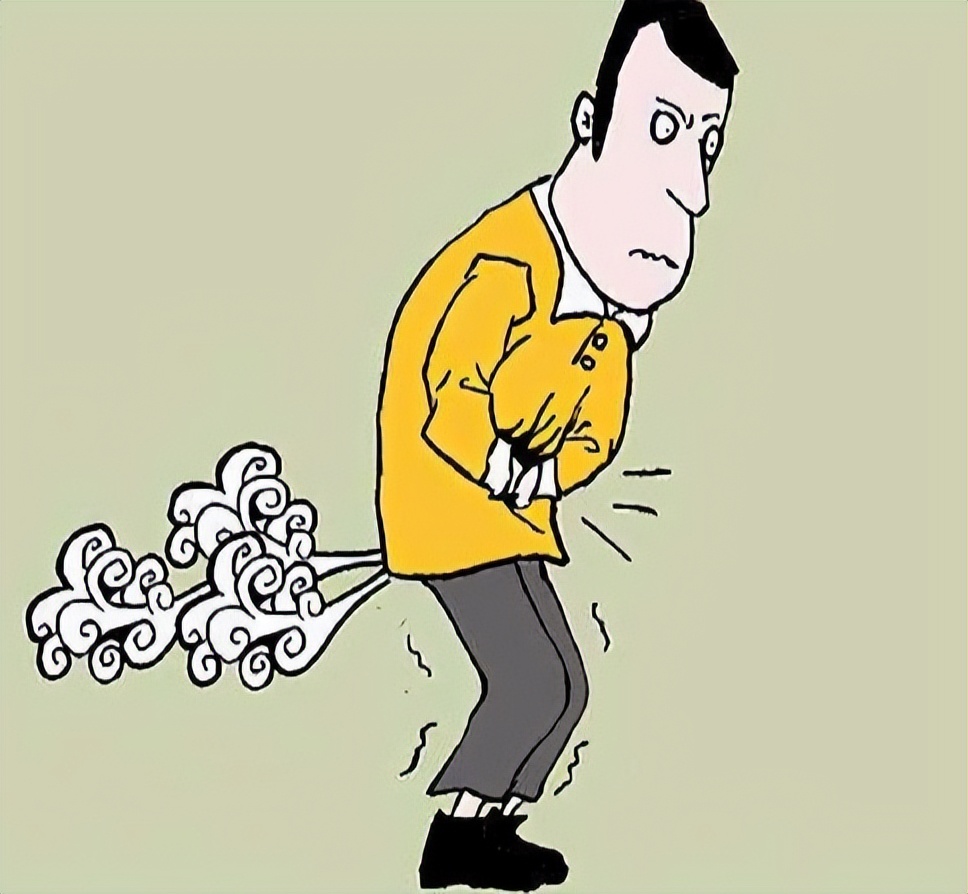
First is liver blockage leading to frequent flatulence. In Traditional Chinese Medicine (TCM), the liver governs the movement of Qi throughout the body. If the body's Qi mechanism becomes stagnant or obstructed, and the Qi is blocked in one area, symptoms such as chest tightness, distension on both sides of the body (hypochondriac distension), or abdominal bloating will occur. You may feel as if there is a current of gas moving around inside the body; because this gas is seeking an exit, it leads to frequent flatulence or belching. Furthermore, as the liver governs emotions, one may also become irritable and prone to anger. In such cases, it is necessary to soothe the liver and regulate Qi; *Chaihu Shugan Wan* may be considered. If there is a condition of Liver Qi Stagnation attacking the Spleen (Liver-Spleen disharmony), it will affect the functions of the spleen and stomach, leading to symptoms such as decreased appetite, abdominal distension, abdominal pain, chest tightness, eructation, belching, and loose or unformed stools. In this situation, it is necessary to soothe the liver and strengthen the spleen; *Shugan Jianpi Wan* may be considered.
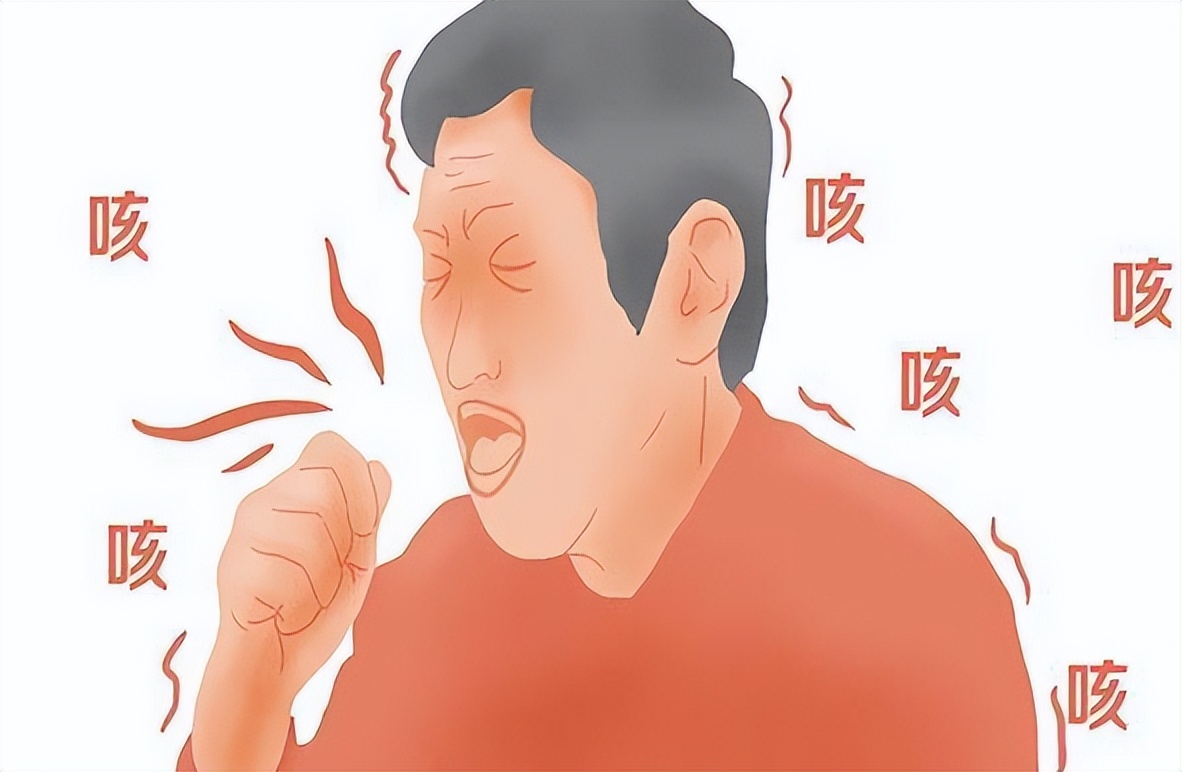
Next is lung congestion leading to excessive phlegm. In Traditional Chinese Medicine (TCM), the Lung Qi must perform its functions of "dissemination and down-bearing" to transport and transform water-dampness and distribute body fluids. If the lungs are invaded by external cold-dampness, causing Lung Qi stagnation and impairing these functions, body fluids will fail to distribute and instead accumulate. This leads to the buildup of phlegm-dampness in the lungs, resulting in symptoms such as excessive phlegm, coughing, and expectoration. The phlegm is typically white, sticky, and easy to cough up, often accompanied by aching limbs, nasal congestion, chest tightness, shortness of breath, and headaches. In such cases, it is necessary to circulate Lung Qi, release the exterior, and dissipate cold. **Tongxuan Lifei Wan** can be used as a reference.
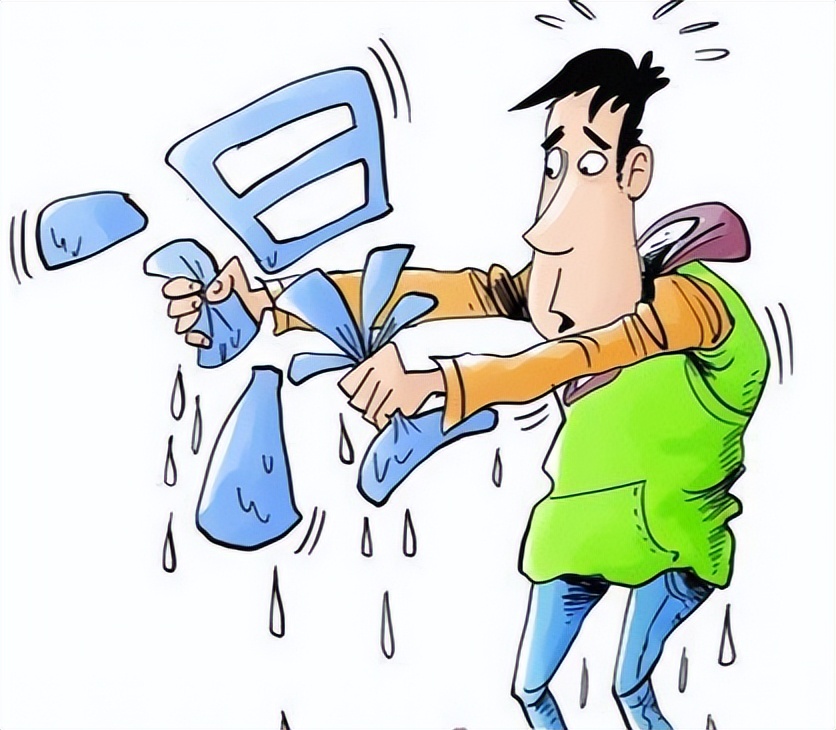
Finally, there is spleen congestion leading to excessive dampness. TCM holds that the Spleen governs transportation and transformation, managing the water-dampness within our bodies. If the Spleen is "blocked" and fails to transport water-dampness properly, dampness will accumulate internally. This manifests as heavy limbs and lethargy, a bland or sticky taste in the mouth, poor appetite, loose and unformed stools, a "foggy" or heavy head, poor mental energy, a slippery and greasy tongue coating, and prominent teeth marks on the tongue. This condition requires strengthening the Spleen and dispelling dampness; **Shenling Baizhu San** can be used as a reference.
However, Traditional Chinese Medicine (TCM) requires syndrome differentiation for treatment. If necessary, please consult a professional physician promptly for diagnosis and personalized conditioning.